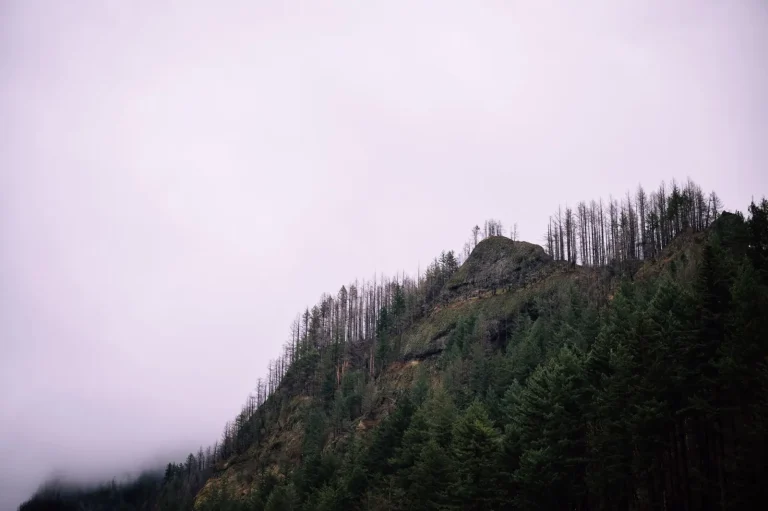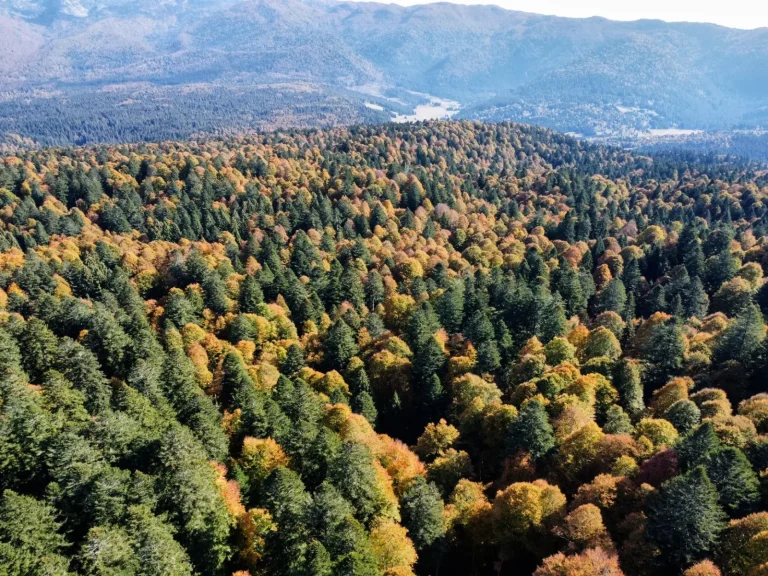
Frost in a rainforest is not supposed to happen. That’s the working assumption most tropical plants operate under, and it shapes everything about their biology. When temperatures do drop below freezing – whether in a high-altitude cloudforest, a rare cold snap at lower elevations, or in cultivation far from the tropics – the plants that survive are the ones that have hedged their bets in ways that aren’t always obvious at first glance.
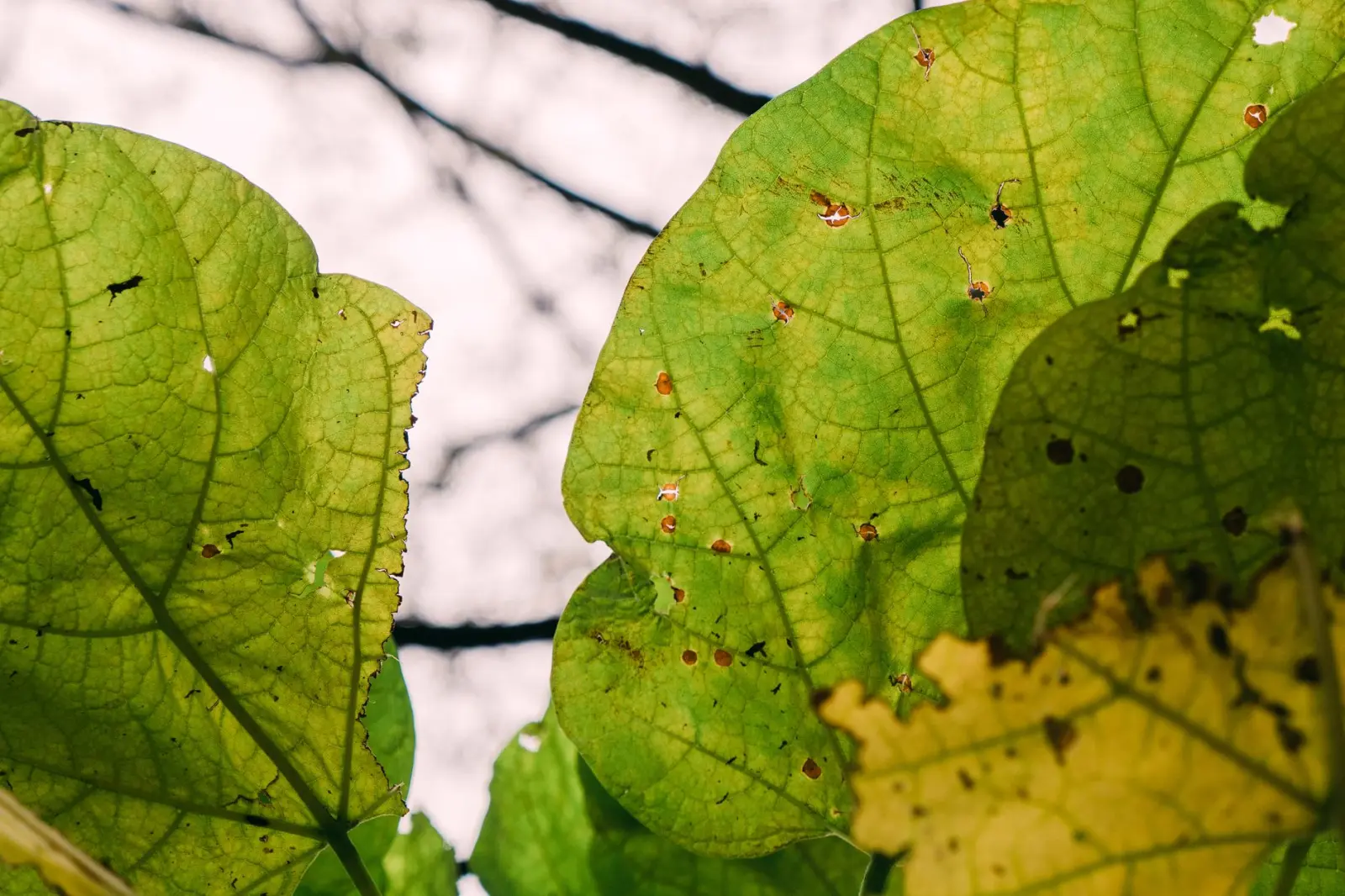
I’ve spent enough time in both natural rainforests and botanical collections to recognize the signs of frost damage and recovery. The damage itself is distinctive: leaves turn translucent or blackened, stems become brittle, and the entire plant can collapse within hours if the cold is severe enough. But some plants bounce back. Others show no damage at all, even when the thermometer dips well below what you’d expect them to tolerate. The difference lies not in a single mechanism but in a layered set of physiological and structural adaptations that work together.
The most immediate line of defense is structural. Many rainforest plants that occur at higher elevations or in regions with seasonal temperature variation have developed thicker, more waxy leaf cuticles than their lowland relatives. This waxy coating serves multiple purposes: it reduces water loss during drought, but it also insulates leaf tissue and lowers the freezing point of water within the leaf cells. The effect is subtle but real. A leaf with a robust cuticle can tolerate a degree or two of frost that would destroy a thin-leaved plant from the same family.
Cellular Preparation and Metabolic Shifts
What happens inside the plant is equally important. In the days or weeks before frost arrives – if the plant can sense the coming cold through photoperiod changes or gradual temperature decline – certain species begin accumulating sugars and other osmotically active compounds in their cells. These substances lower the freezing point of the cell sap, a phenomenon called freezing-point depression. A plant that has built up sugar concentrations can survive temperatures several degrees colder than one caught unprepared. This is why a sudden, unexpected frost often does more damage than a gradual cold spell: the plant hasn’t had time to mobilize its defenses.
The timing of this metabolic shift is critical. I’ve observed that plants in cultivation often suffer more frost damage than their wild counterparts, partly because they’re grown in stable, warm conditions year-round. They never receive the signal to prepare. In contrast, plants in their native habitat experience subtle seasonal cues – shortening days, occasional cool nights – that trigger the accumulation of protective compounds well before the real cold arrives. When a plant is suddenly moved from a warm greenhouse to outdoor conditions or exposed to an unexpected cold spell, it’s biochemically unprepared.
Some rainforest plants take a different approach entirely: they abandon their leaves. Deciduous tropical species are less common than evergreen ones, but they exist, particularly in regions with distinct dry seasons or in montane areas where frost is a regular threat. Shedding leaves before frost eliminates the most vulnerable tissue. The plant retreats into its woody stem and roots, where cells are smaller, more densely packed, and better protected from ice crystal formation. This strategy is metabolically expensive – the plant has to regrow all that leaf tissue in spring – but it’s a reliable way to survive if you know cold is coming.
Root Systems and Below-Ground Survival
The roots of rainforest plants are often overlooked in discussions of frost survival, but they’re crucial. Soil temperature fluctuates less dramatically than air temperature, and soil insulates root tissue from the worst of the cold. A plant can lose all its above-ground growth to frost and still survive if its roots remain unfrozen. This is why many tropical plants that experience frost in the wild or in cultivation will die back to the ground but regenerate from the root crown in spring. The roots themselves are typically more cold-tolerant than the leaves and stems, partly because they’re protected by soil and partly because root cells have different osmotic compositions than aerial tissues.
In high-altitude rainforests, where frost is predictable and sometimes severe, plants often develop extensive, deep root systems that anchor them in warmer soil layers. The investment in root development is substantial, but it pays off when the canopy is repeatedly damaged by cold. I’ve seen cloudforest plants that look scraggly and small above ground but possess massive root systems – a clear adaptation to an environment where above-ground growth is risky.
Structural Redundancy and Growth Patterns
Another survival strategy that’s less about biochemistry and more about architecture is structural redundancy. Some rainforest plants produce multiple growth points, branching patterns that allow the plant to lose entire limbs to frost without dying. The plant essentially distributes its risk. If one branch is killed by ice, others survive and can eventually fill the gap. This is particularly common in shrubby understory plants and in species that grow in areas where frost is occasional but not rare.
The growth form itself matters. Plants that grow as dense, compact shrubs tend to survive frost better than those with open, spreading forms. The compact structure creates a microclimate within the plant – the interior stays slightly warmer than the exterior, and ice formation is less likely to shatter the entire plant. Additionally, compact growth means less exposed surface area for frost to attack. In cultivation, I’ve noticed that plants pruned to maintain a dense form recover better from frost damage than those allowed to grow tall and open.
Leaf size and texture also play a role that’s often underestimated. Large, thin-leaved rainforest plants are more vulnerable to frost than small-leaved species. The larger the leaf, the more likely it is to develop ice crystals that rupture cell membranes. Small leaves have less surface area and can cool and warm more evenly, reducing the stress from temperature fluctuations. Some high-altitude rainforest plants have evolved notably smaller leaves than their lowland relatives, a shift that’s partly about frost tolerance and partly about reducing water loss in the cooler, drier air of higher elevations.
The reality of frost survival in rainforest plants is that no single adaptation is sufficient. Instead, plants that persist in frost-prone areas – whether naturally or in cultivation – rely on a combination of structural features, metabolic flexibility, and physiological preparation. A plant with a waxy cuticle, accumulated sugars, a deep root system, and a compact growth form will survive frost that would kill a plant lacking even one of these traits. Understanding which adaptations a particular species possesses is essential for anyone trying to grow tropical plants in cooler climates or for predicting which wild populations will persist as climate patterns shift.