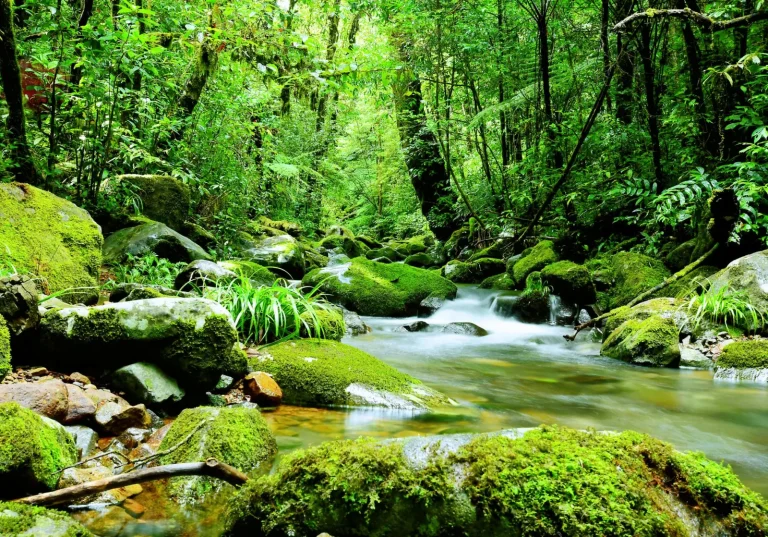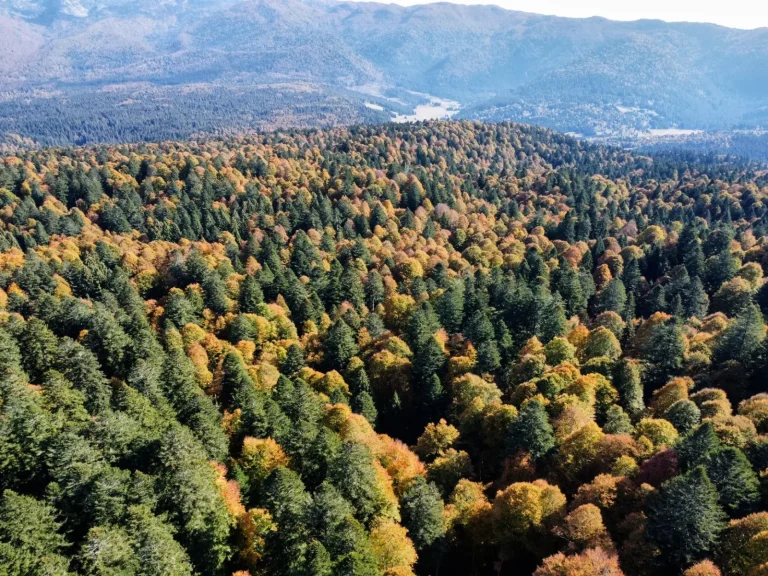
After spending years moving between coastal and interior rainforest zones across multiple continents, the differences become impossible to ignore. They look similar at first glance – dense canopy, high humidity, constant moisture. But once you’re actually working within them, navigating them, or trying to understand their behavior during different seasons, the distinctions become sharp and consequential. Littoral rainforests and inland rainforests operate under different physical constraints, support different species assemblages, and respond to environmental pressures in fundamentally different ways.
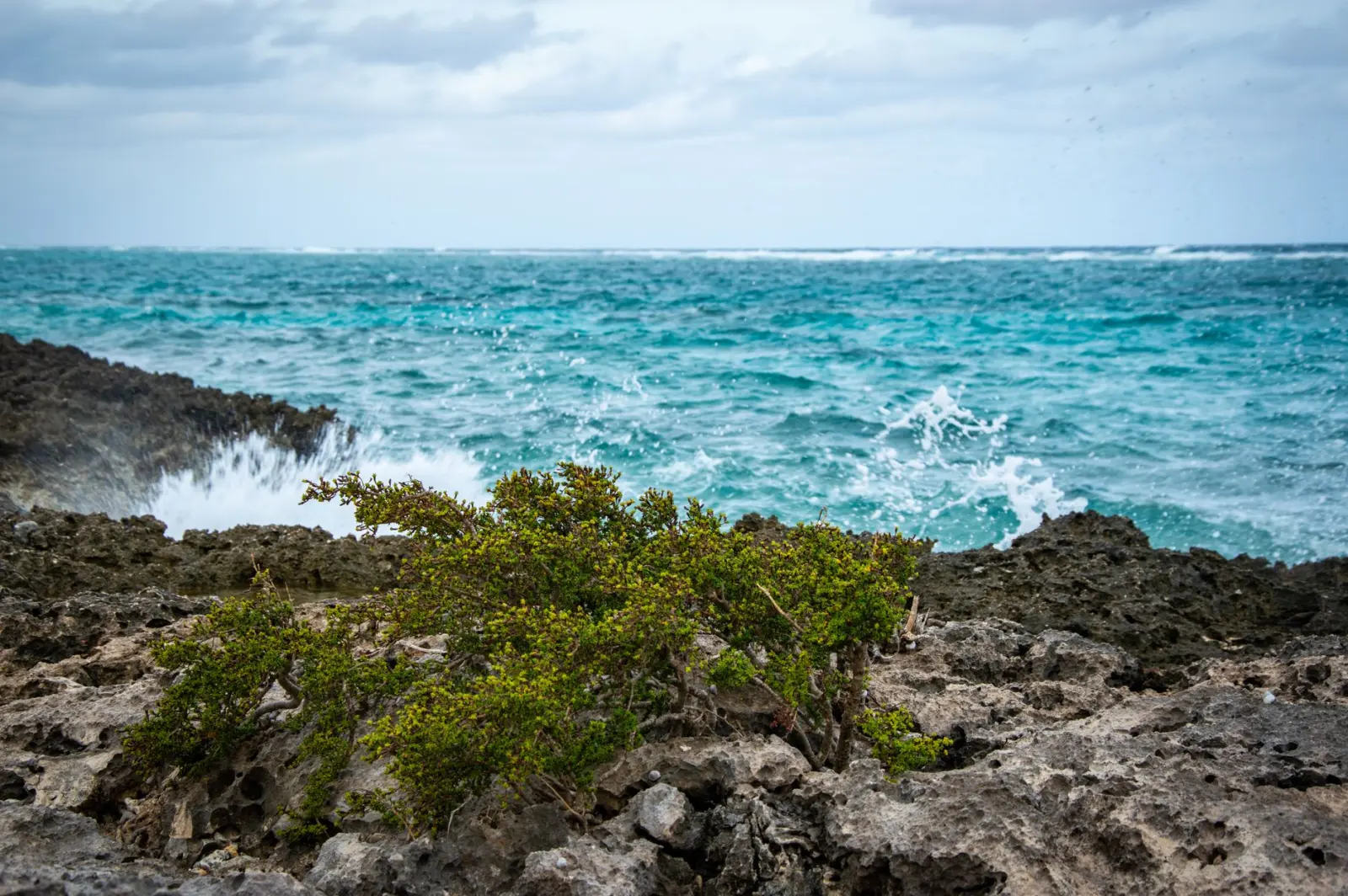
The most obvious difference is salt exposure. Littoral rainforests exist within the spray zone and salt-laden wind corridor of the ocean. This creates a harsh filter that inland forests never face. Salt accumulates on leaves, in soil, and throughout the root zone. Most plant species simply cannot tolerate this. The trees that do survive in littoral zones have evolved thicker, waxy leaf cuticles, specialized salt-exclusion mechanisms in their roots, and often smaller, more compact foliage. Walk through a littoral rainforest and you notice the vegetation looks somehow compressed compared to inland forest – shorter trees, denser branching, leaves that feel almost leathery to the touch.
Wind and Structural Adaptation
Coastal exposure means constant wind pressure. Inland rainforests can develop tall, slender trunks that rely on the sheltered canopy environment to stay upright. Littoral rainforests cannot. The trees here tend to be shorter, stockier, with lower branch points and more robust wood structure. This isn’t just a minor aesthetic difference. It affects how the forest moves during storms, how water drains through the canopy, and how sound travels. In littoral zones, you feel the wind constantly. In inland forests, even during storms, the lower layers remain relatively still.
The wind also affects dispersal patterns. Many inland rainforest plants rely on wind to spread seeds or pollen, but littoral forests cannot depend on this reliably. Instead, you see a higher proportion of species with animal-dispersed seeds – fruits that attract birds, bats, and other fauna. This shapes the entire food web. Littoral rainforests tend to support different fruiting patterns and different animal populations as a result.
Soil and Drainage Dynamics
Soil composition diverges significantly. Littoral rainforests often develop on sandy or rocky substrates close to the coast, with poor water retention and low nutrient availability. The salt content further stresses nutrient cycling. Inland rainforests typically sit on older, more developed soils with higher organic matter and better nutrient availability. This affects plant growth rates, species diversity, and the entire productivity of the system.
Drainage is another critical factor. Littoral rainforests on slopes drain quickly because of their sandy substrate and the slope itself. This sounds counterintuitive in a rainforest context, but it’s real. Inland rainforests, especially on flatter terrain, often have waterlogged or periodically flooded soils. Some inland rainforests have evolved entirely around seasonal inundation. Littoral rainforests rarely experience this kind of sustained waterlogging. The drainage differences mean different plant strategies for nutrient uptake, different root architecture, and different responses to drought stress.
Species Composition and Endemism
The species lists look different. Littoral rainforests have a smaller total pool of species, but often with high endemism – plants and animals found nowhere else. This happens because littoral zones are isolated by geography and harsh conditions. Inland rainforests support higher overall species diversity, with many species having broader ranges. If you’re cataloging biodiversity, littoral forests demand attention despite their smaller footprint because they contain unique lineages.
Animal communities reflect these differences too. Littoral rainforests host different bird species, different insect assemblages, different small mammal populations. The salt exposure, wind, and different food sources create a distinct ecological community. This matters practically when you’re trying to understand or predict what you’ll encounter. The monkeys, birds, or insects you see in a littoral forest are not simply a subset of inland forest fauna – they’re a different community adapted to coastal conditions.
Canopy structure differs as well. Inland rainforests often develop multiple distinct canopy layers with emergent trees towering above. Littoral rainforests tend to have a more uniform canopy height because wind prevents extremely tall trees from establishing. This affects light penetration, understory development, and visibility when you’re moving through the forest. Inland forests can feel more layered and stratified. Littoral forests feel more compressed and uniform.
Seasonal Patterns and Water Stress
Seasonality manifests differently. Inland rainforests in many regions experience distinct wet and dry seasons, but the soil moisture buffer means plants don’t experience severe water stress even during dry months. Littoral rainforests, despite high rainfall, can experience more pronounced water stress during dry seasons because their sandy soils don’t retain moisture. Some littoral species show visible seasonal changes – leaf loss, flowering patterns, growth pauses – that are less obvious in inland forests with their more stable soil moisture.
Fog and salt spray interact in littoral zones to create unique moisture dynamics. Coastal fog can deliver significant moisture directly to leaves, supplementing rainfall. This fog interception is particularly important during dry seasons. Inland rainforests don’t benefit from this mechanism. The combination of rainfall, fog, and salt spray creates a moisture regime that’s distinctive and not easily replicated inland.
Fire risk also diverges. Inland rainforests are generally fire-resistant because of high moisture and dense vegetation. Littoral rainforests, with their drier soils and sometimes more open understory, can be more vulnerable to fire, particularly in areas with human activity. This has shaped land-use patterns and conservation challenges in many coastal regions.
Understanding these differences matters if you’re planning to work in, travel through, or study either ecosystem. They’re not interchangeable. A species adapted to littoral conditions will struggle inland, and vice versa. The practical implications extend to everything from trail conditions to wildlife encounters to how you interpret what you’re seeing. Littoral rainforests are not simply “rainforests near the ocean” – they’re distinct ecological systems shaped by salt, wind, and the specific constraints of coastal geography.