Protester Falls sits in a pocket of forest where water moves fast and the ground stays perpetually damp. After rain, the character of the place shifts noticeably. I’ve walked this terrain in dry conditions and immediately after heavy weather, and the difference is not subtle. The forest floor transforms from firm to treacherous in ways that aren’t always obvious from a distance.
The first thing you notice when approaching the falls after rain is how the creek has changed. Water that might be ankle-deep on a dry day becomes chest-high and turbulent. The sound alone tells you something has shifted – there’s a deeper roar, a more aggressive push. The spray from the falls reaches farther into the surrounding vegetation. Rocks that were accessible stepping stones are now submerged or moving with current. This is not the time to attempt creek crossings unless you’ve done this exact route many times and know exactly where the safe passage points are.
Ground Conditions and Footing
The forest floor around Protester Falls is naturally steep. After rain, the soil becomes saturated and loses its grip. What feels like a manageable slope on a dry day becomes a slide. The leaf litter and forest duff – that spongy layer of decomposed material – absorbs water and becomes almost frictionless. Roots that normally provide handholds become slick and unreliable. I’ve seen experienced hikers lose their footing on sections they’ve navigated without incident before, simply because the conditions changed.
The rock faces and boulders around the falls present a specific hazard. Moss grows thick in this environment, and after rain it becomes genuinely slippery. Lichen-covered stones are worse. The moisture doesn’t just sit on the surface – it creates a thin film that breaks the friction between your sole and the rock. Hiking boots with good tread help, but they’re not a guarantee. The angle of approach matters too. A rock face that’s steep enough to require hands becomes a real climbing problem when wet, not just a scramble.
Visibility and Navigation
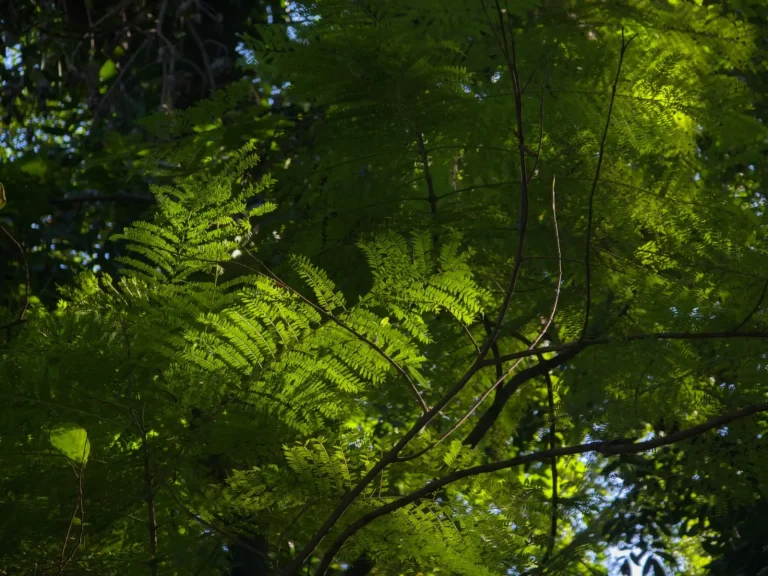
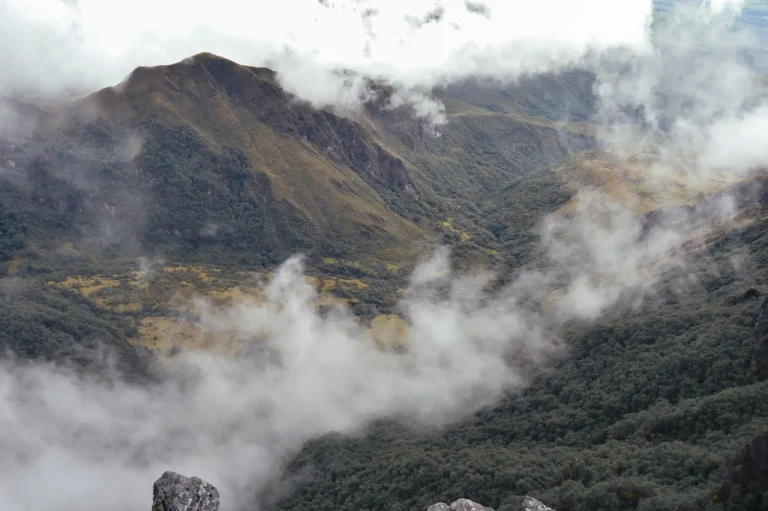
Rain and mist linger in the forest long after the actual precipitation stops. The canopy is dense around Protester Falls, so even when the sky clears, the understory remains dim and damp. Visibility can be surprisingly limited. Trails that are obvious in clear conditions become harder to follow when everything is dripping and the light is diffuse. The forest floor looks uniform – all mud and wet leaves – and it’s easy to drift off the established path without realizing it immediately.
This matters because the terrain around the falls has drop-offs. They’re not cliff-edge dramatic, but they’re real. A fifteen-foot tumble into rocks below is entirely possible if you step wrong in poor visibility. The forest doesn’t announce these hazards clearly. You might be walking what feels like flat ground and suddenly find nothing beneath your foot.
Timing and Fatigue
After rain, a hike that normally takes two hours can stretch to three or more. You move slower because you have to. Every step requires attention. Your legs work harder on slippery slopes because you’re constantly micro-correcting your balance. This accumulated fatigue is real. By the time you’re heading back out, you’re tired in a way that a dry-weather hike wouldn’t leave you. Tired people make mistakes. They misjudge distances, they rush, they take risks they wouldn’t normally take.
The light situation compounds this. If you’re hiking in the afternoon and the weather has been overcast, darkness arrives earlier than you might expect. The forest gets genuinely dark. A headlamp becomes necessary, and navigating by headlamp on wet, slippery terrain is a different challenge entirely. Depth perception changes. Shadows and reflections from wet surfaces can be disorienting.
What Actually Changes Your Plans
Light rain or drizzle doesn’t necessarily mean you shouldn’t go. The forest is used to moisture. What matters is how much water has moved through the system. A few hours of steady rain means the creek is running high and the ground is saturated. Overnight rain followed by a clear morning is different – the ground has had some time to drain. Heavy rain in the preceding 24 hours is worth taking seriously. The forest won’t have recovered.
The condition of the creek is the most reliable indicator. If it’s brown or opaque, sediment is being moved, which means volume and force are high. If you can’t see the rocks on the bottom in the shallows, the water is too turbid and too full. That’s when the creek becomes genuinely dangerous, not just inconvenient.
Vegetation damage is another sign. Fresh branches down, disturbed areas along the creek bank, debris caught in lower branches – these indicate recent high water. If you see evidence that water was significantly higher than it is now, you’re seeing the aftermath of a serious flow event. The ground may still be unstable.
After many trips to this area in varying conditions, I’ve learned that the decision to proceed or turn back usually becomes clear once you’re on the trail. You don’t need to be an expert to sense when conditions are beyond what you want to handle. The forest communicates it through difficulty, through how your body responds to the terrain, through the sound and behavior of the water. Listening to that signal, rather than pushing through because you’ve come this far, is what keeps people safe.