
The Cairns Highlands aren’t what most people imagine when they picture a walk through the forest. There’s no gentle woodland stroll with dappled sunlight and the sound of birds. What you actually get is dense, humid rainforest that moves at its own pace and doesn’t negotiate. After many seasons moving through these trails, the gap between expectation and reality remains the single biggest factor in how a walk unfolds.
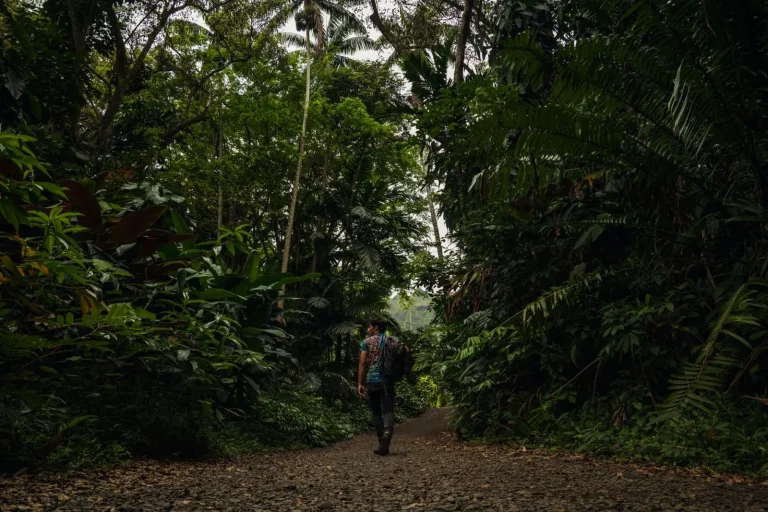
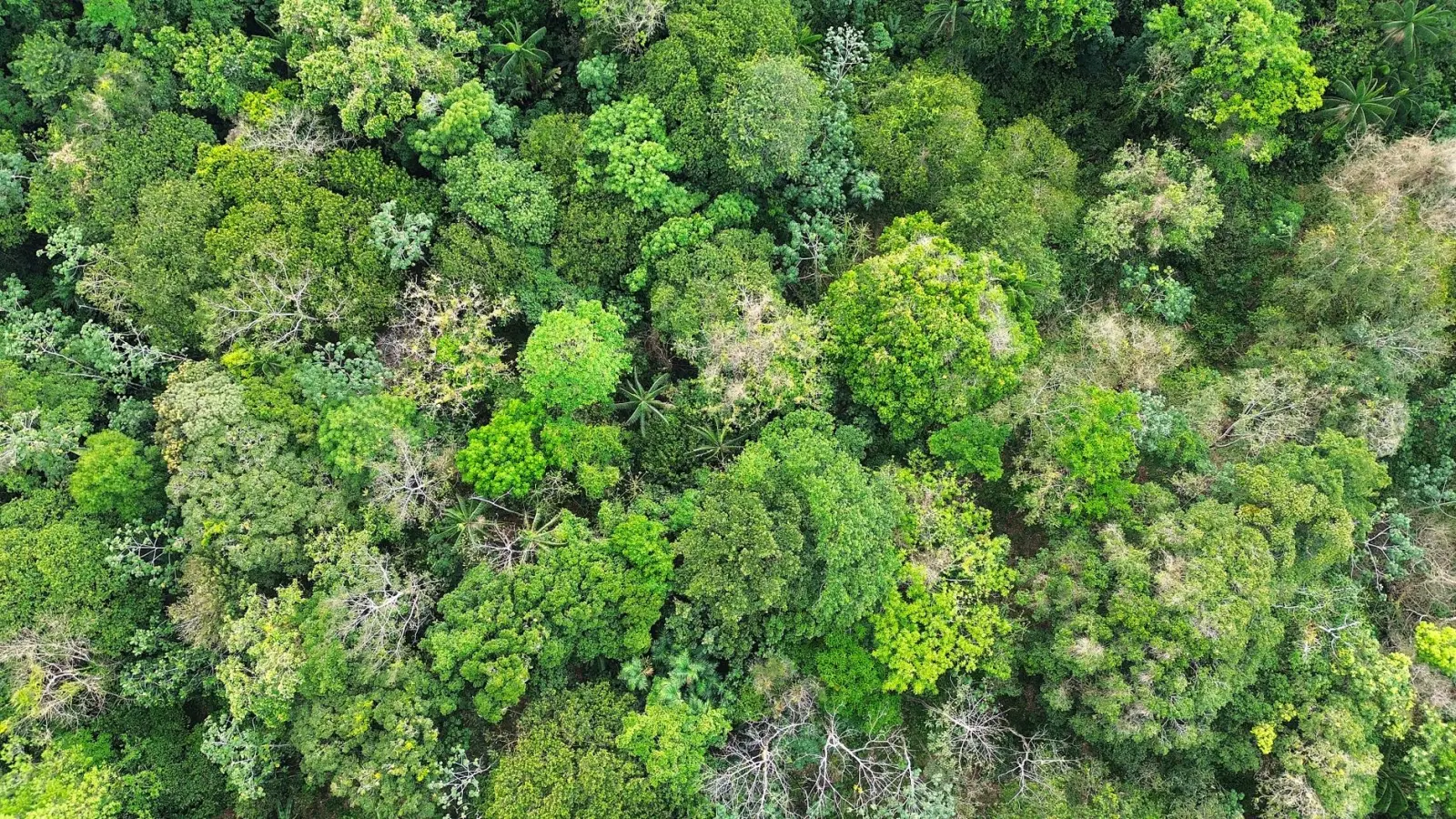
The forest here is old and complex. It’s not a managed park or a cleared hiking corridor. The canopy sits so thick that even at midday, the light is dim and greenish. The understory is layered – vines, fallen logs, exposed roots, and ferns create a three-dimensional maze rather than a simple path. Walking isn’t just forward movement. It’s constant micro-adjustment: stepping over, ducking under, finding the next foothold. This isn’t exhausting in the way a steep climb is, but it’s draining in a different way. Your legs work less hard than your attention does.
Humidity and the Real Cost of Time
People often underestimate how humidity shapes a forest walk. The air doesn’t just feel thick – it changes how your body works. Sweat doesn’t evaporate. Your core temperature rises even when you’re moving slowly. A walk that would take two hours on a dry trail can take three here, not because the distance is longer but because you slow down involuntarily. Your body simply won’t push harder in that environment.
This matters for planning. A four-kilometer trail isn’t a one-hour walk. It’s closer to ninety minutes to two hours, depending on fitness and trail condition. Many people set out with the assumption that they’ll move at their usual pace and find themselves running behind schedule by the first rest point. The psychological effect is real – that gap between expected and actual time creates stress, and stress accelerates fatigue.
The humidity also means you’ll drink more water than you think you need. A two-liter bottle that feels adequate on a temperate trail can run dry before you reach the halfway point. Dehydration in the Highlands isn’t dramatic – you don’t suddenly collapse – but it creeps in. Your legs feel heavier. Your decision-making gets slower. You start making small mistakes: misjudging a step, missing a turn marker, pushing harder when you should ease back.
The Forest Floor and What It Hides
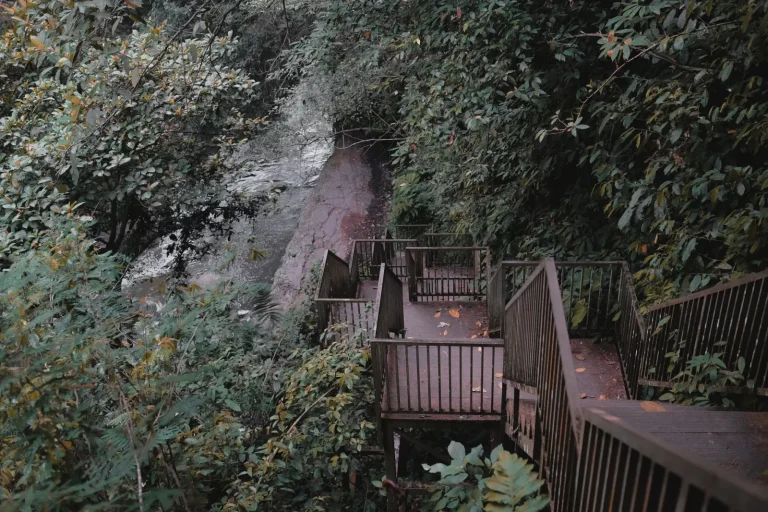
The ground itself is deceptive. Leaf litter covers everything, and what looks like solid earth might be a concealed root, a depression, or a small stream bed. Twisted ankles happen regularly, and they happen to experienced walkers as often as beginners. The risk isn’t from dramatic obstacles – it’s from the constant low-level uncertainty of where your foot will actually land.
Wet conditions change the game entirely. After rain, the forest doesn’t just get damp. Rocks become slick, mud accumulates in specific sections, and the entire sensory experience shifts. Footing becomes the primary concern. A trail that’s straightforward in dry conditions becomes a technical scramble when wet. The Highlands get substantial rainfall year-round, so wet conditions aren’t rare or seasonal – they’re normal.
This is why footwear matters more than most gear discussions suggest. Lightweight trail runners work fine on dry days but offer almost no grip when surfaces are wet. Hiking boots with aggressive tread are heavier and hotter but provide real security on slippery ground. The choice isn’t about comfort – it’s about risk management. A twisted ankle four kilometers from the trailhead is a serious problem, not an inconvenience.
Navigation and the Limits of Signage
Trail markers exist but they’re not constant. In some sections they’re clear and frequent. In others, you’ll walk for ten minutes without seeing one and start second-guessing yourself. The forest canopy is dense enough that GPS can be unreliable. A phone signal is almost never available. This means you need to navigate by map, marker, and terrain awareness – the old way.
Getting lost in the Cairns Highlands isn’t dramatic. You don’t plunge off a cliff. But you do waste time and energy, and both become precious resources when you’re already tired and humid. People who rely entirely on digital navigation often struggle here. The forest moves faster than the technology catches up.
Carrying a physical map and knowing how to read it isn’t outdated – it’s essential. Even experienced walkers carry one. The map tells you where water sources are, where the trail should climb or descend, and what the terrain ahead looks like. It’s not a backup. It’s the primary tool.
Wildlife and the Sounds of the Forest
The Highlands are home to cassowaries, pythons, leeches, and countless insects. The cassowaries are rarely seen and generally avoid people, but their presence shapes how you move. You don’t make noise to scare them away – that’s a myth. You move carefully and stay aware. Pythons are common but cryptic. You’re more likely to step over one than encounter it face-to-face.
Leeches are the wildlife encounter most people actually have. In wet conditions, they’re abundant. They’re not dangerous, but they’re persistent and unsettling if you’re not prepared. Salt, insect repellent, or simply accepting them as part of the experience are the practical responses. Trying to avoid them entirely is futile.
The sound environment is constant. Birds, insects, and the forest itself create a baseline of noise that’s both comforting and disorienting. Silence is rare. This sensory input contributes to fatigue in ways that aren’t obvious until you’re tired and realize how much mental energy you’ve been spending just processing the environment.
Pacing and the Reality of Fatigue
The most important observation from years of walking these trails is that fatigue builds differently here than on open terrain. You don’t hit a wall. You gradually slow down, and the slowdown is partly physical and partly mental. Your legs have capacity, but your motivation and attention decline together. This is why starting early matters. The first few hours of a walk are qualitatively different from the last few, not just in terms of energy but in decision-making and safety awareness.
A reasonable pace is slower than most people assume. Three kilometers per hour is actually solid progress on a technical rainforest trail. Trying to maintain four or five kilometers per hour leads to mistakes and unnecessary risk. The walkers who move through the Highlands most safely are the ones who accept the pace the forest sets rather than the pace they think they should maintain.
The Cairns Highlands reward preparation and realistic expectations. The forest itself is straightforward – there are no hidden dangers or unusual hazards. What demands respect is the combination of humidity, terrain complexity, and the sheer sensory load of moving through old rainforest for hours. Understanding that before you start makes the walk what it should be: challenging, absorbing, and ultimately manageable.