
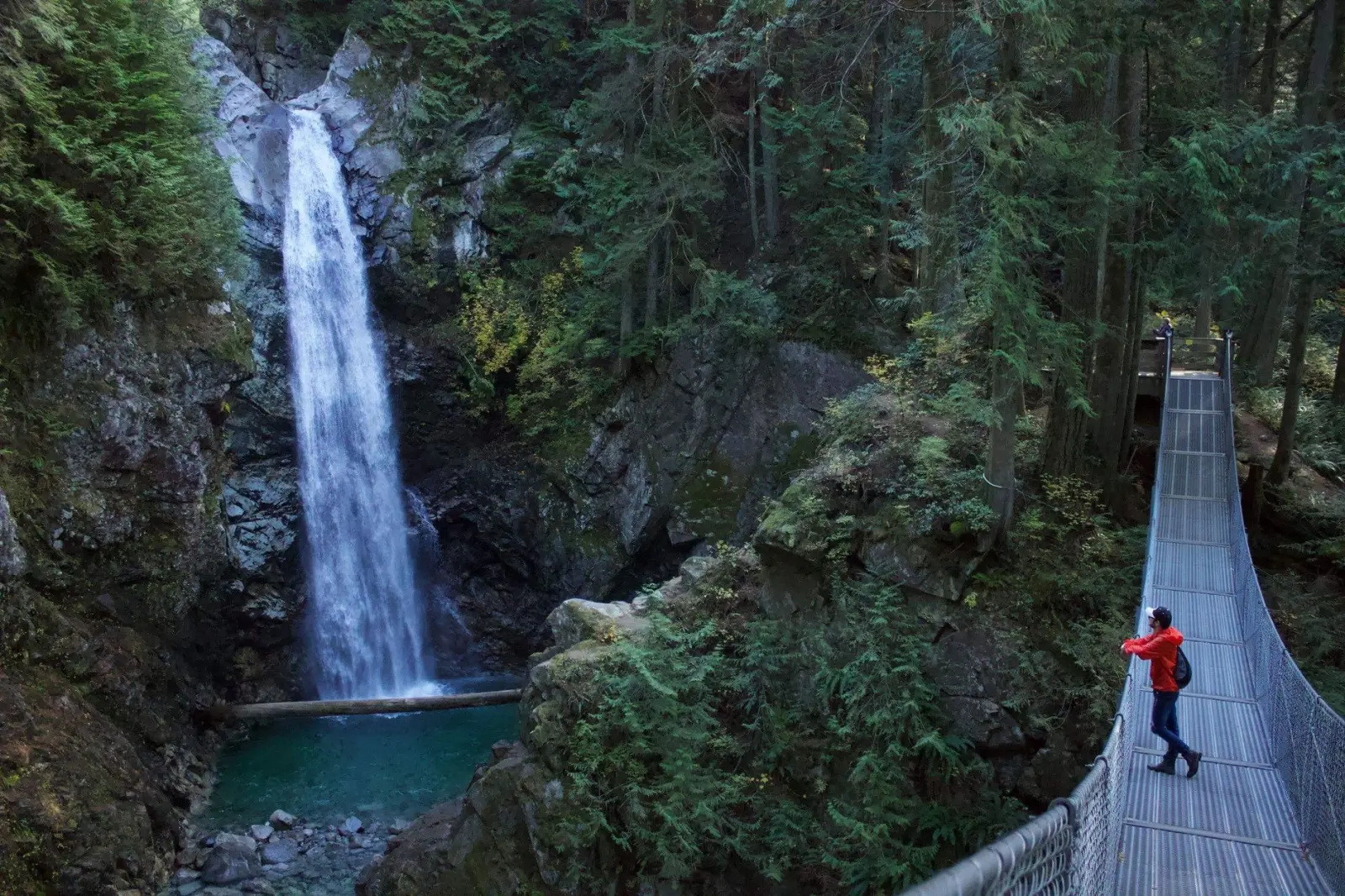
The forest around Emerald Creek Falls operates on its own schedule, and that schedule rarely aligns with what visitors imagine beforehand. I’ve spent enough time moving through this landscape to recognize the patterns – where the ground stays firm even after heavy rain, where ankle-turning roots hide beneath moss, and which water crossings become genuinely problematic depending on snowmelt timing. The falls themselves are accessible enough, but the surrounding forest demands respect for its actual conditions rather than its reputation.
Access to the area typically comes from a main trailhead, though the approach varies significantly based on season and recent weather. In spring and early summer, snowmelt transforms the creeks into serious obstacles. The water moves fast and cold, and the banks become slick. I’ve watched people underestimate these crossings repeatedly – they look manageable until someone’s boot slips on moss-covered rock and suddenly they’re in water that’s moving harder than they anticipated. By mid-summer, the flow calms considerably, though the water temperature remains cold enough to cause problems if you fall in fully clothed. Late season brings its own complications: lower water levels expose more rock, which sounds easier until you realize you’re now boulder-hopping rather than fording, and that’s far more energy-intensive over distance.
The Forest Structure and Movement
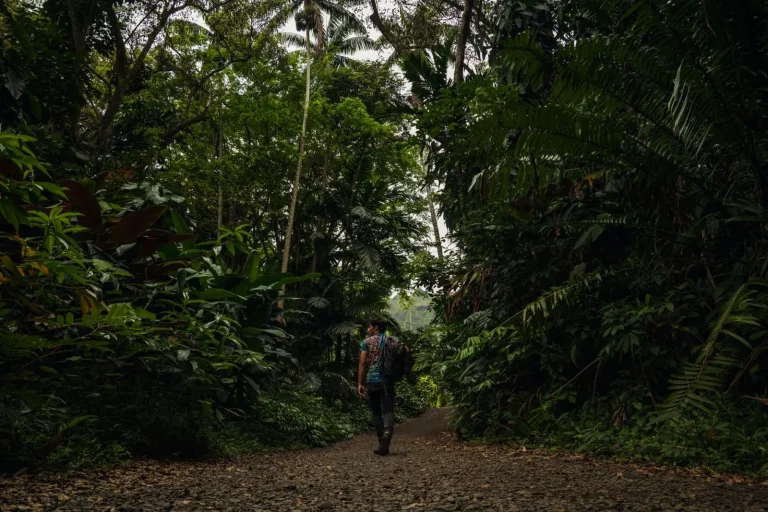
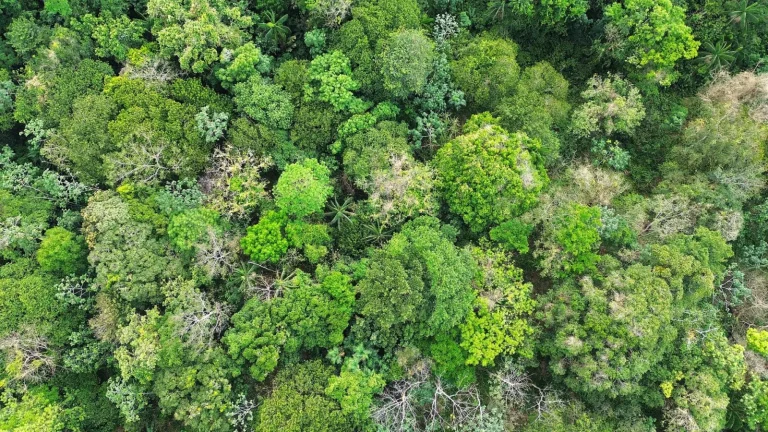
The forest itself consists of dense second-growth timber mixed with older stands. Douglas fir and western hemlock dominate, with a thick understory of sword ferns, salal, and devil’s club. The devil’s club is worth noting – it’s not dangerous in the dramatic sense, but it’s relentless. The thorny stems catch clothing and skin, and if you’re not paying attention, you’ll accumulate small cuts without realizing it. The ferns are slippery when wet, which is most of the time in this region. They also hide the actual ground surface, so you’re constantly guessing whether you’re stepping on solid earth or a root.
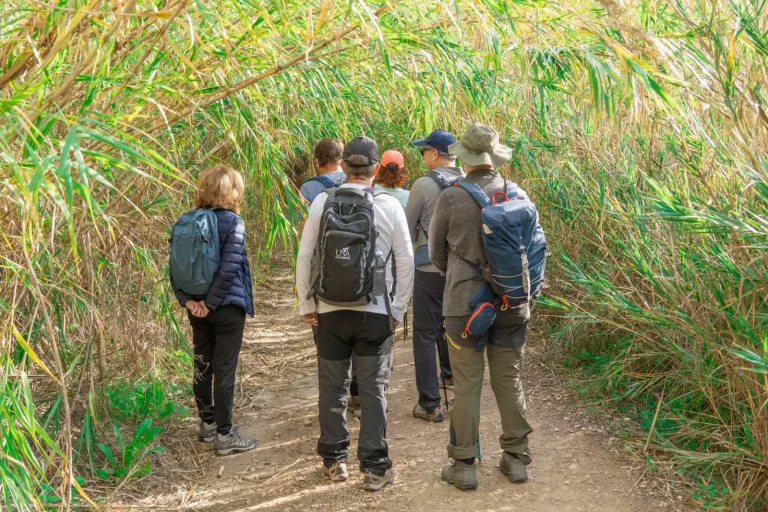
The trail network around the falls isn’t always obvious. There are established paths, certainly, but they’re maintained at a level that reflects actual foot traffic rather than professional grooming. This means the main route is usually clear enough, but side trails and alternate routes can fade quickly into the forest. I’ve seen people confidently follow what they assumed was the trail only to realize twenty minutes later that they’re following a game trail or a water runoff channel. The forest doesn’t announce these distinctions clearly.
Elevation gain is moderate but relentless. The terrain doesn’t have dramatic switchbacks – instead, it climbs steadily through the forest with occasional steeper pitches. This matters because it means there’s no real rest point. You’re working the whole way, and the fatigue accumulates differently than on a trail with more varied terrain. By the time you reach the falls area, most people are tired in a way they didn’t fully anticipate.
Water and Weather Patterns
The creek system that feeds the falls is responsive to rainfall. A heavy overnight rain can increase water volume significantly by morning, and the forest floor itself becomes saturated. The soil in this region doesn’t drain quickly – it holds moisture. This means that even after the rain stops, the ground remains boggy for hours or days. Boots sink slightly with each step, which adds a subtle but real energy cost to movement. Over several miles, this becomes noticeable.
Fog and low cloud cover are common, especially in spring and fall. The forest canopy is dense enough that even on partly cloudy days, the light is dim. On truly overcast days, the forest becomes genuinely dark by mid-afternoon. This isn’t a safety emergency if you’re on the main trail, but it does affect visibility and mood. Headlamps or flashlights become necessary earlier than you might expect if you’re moving slowly or taking time to explore side areas.
Wind rarely reaches the forest floor due to the canopy, so the temperature feels more stable than in open areas. This can actually be deceptive – you might not realize how cold it is because you’re not feeling wind chill. I’ve seen people underdressed who only realized their mistake when they stopped moving and the static cold became obvious.
Wildlife and Seasonal Activity
The forest supports black bears, elk, and deer, though you won’t see them often if you’re moving steadily on the trail. The real wildlife presence is smaller and more constant: ravens, varied thrushes, Douglas squirrels, and countless insects. In late summer, mosquitoes can be present in significant numbers near the water, particularly in areas where the forest opens slightly. They’re not usually a deal-breaker, but they’re worth accounting for in your planning.
Elk sign is common – tracks, droppings, and occasional wallows – but the animals themselves are elusive. They tend to be active in early morning and late evening, and they move away from human activity quickly. The same applies to bears. The forest is genuinely wild in the sense that large animals live here, but the likelihood of an encounter is low if you’re making normal hiking noise.
Practical Realities of Extended Exploration
If you’re planning to spend several hours exploring the forest beyond the immediate falls area, water management becomes important. The creeks are cold and generally clear, but treating water is standard practice. Carrying enough drinking water for your actual movement time matters more than people typically anticipate. Dehydration happens gradually in cool, damp forests – you don’t feel as thirsty as you would in dry terrain, so you drink less, and then fatigue sets in faster than expected.
Footing is the constant variable. Even on the main trail, roots and rocks require attention. Twisted ankles happen regularly enough that they’re worth taking seriously. Good boots with ankle support make a real difference, not because the terrain is dramatically steep, but because the constant minor obstacles reward careful footwork. Lightweight hiking shoes work for some people, but they offer less margin for error on uneven ground.
The forest around Emerald Creek Falls rewards slow movement and observation. People who rush through it tend to miss the details and exhaust themselves unnecessarily. The falls themselves are worth seeing, but the forest is where the actual experience lives – in the texture of the moss, the sound of water at different distances, and the gradual shift in light as you move deeper into the canopy. That experience requires accepting the forest on its terms rather than expecting it to conform to what you imagined.