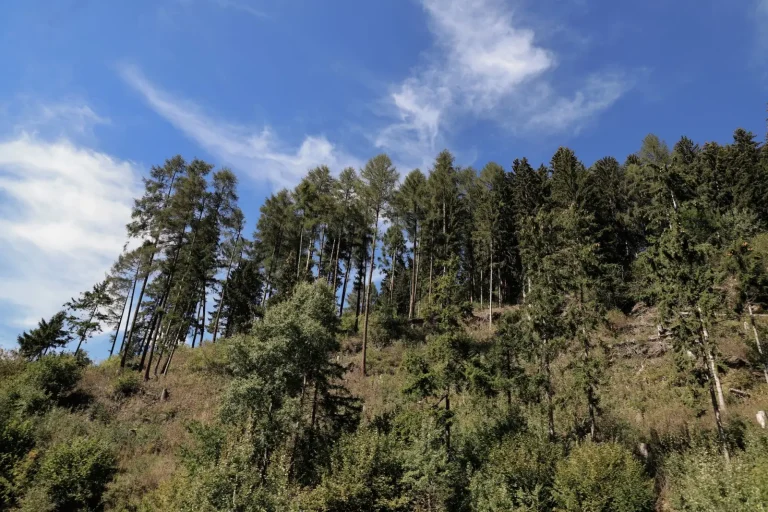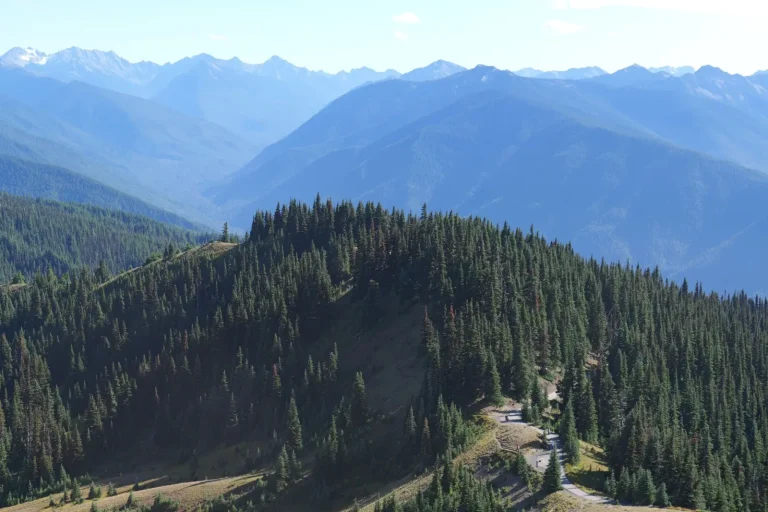

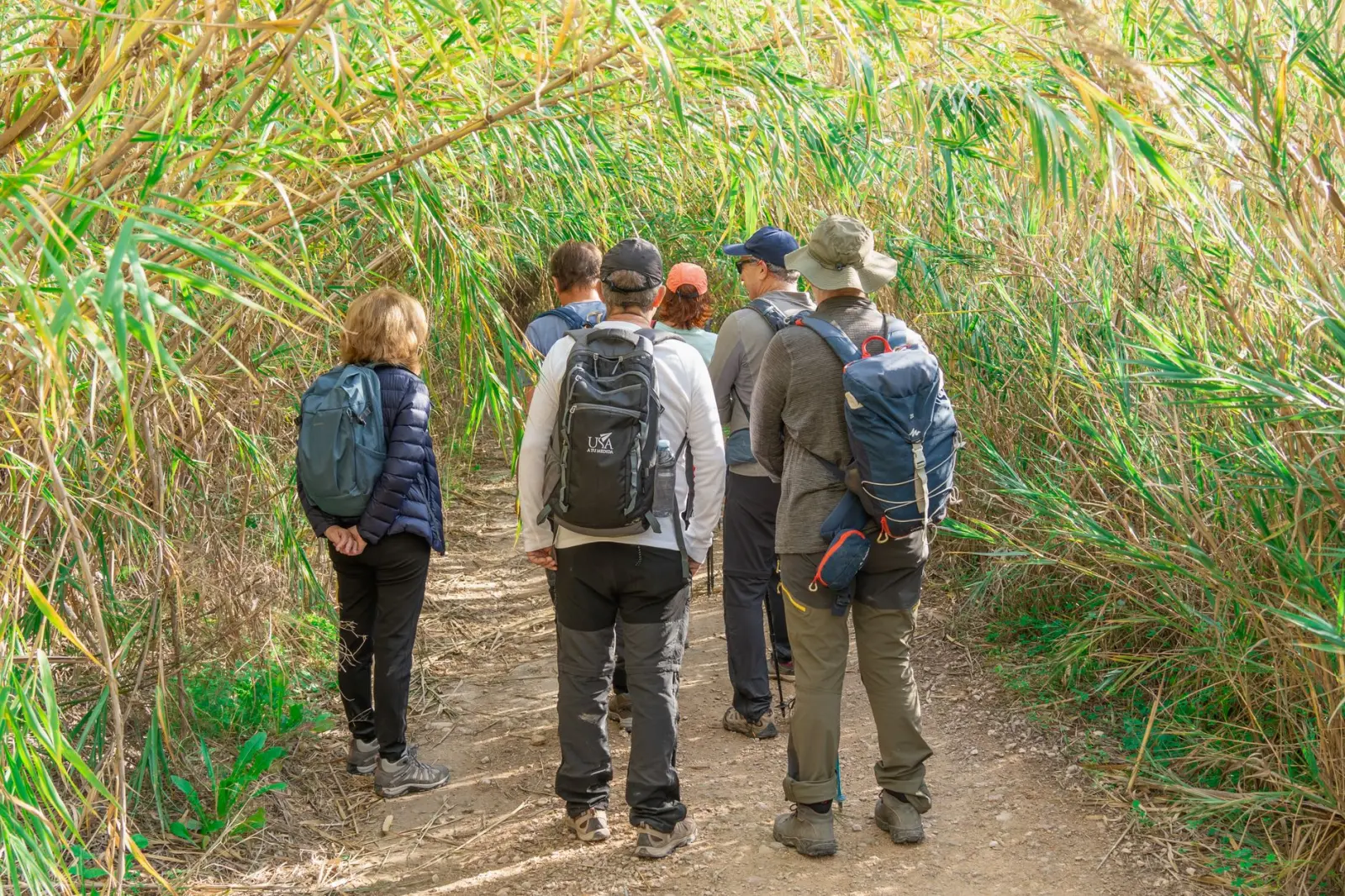
The forests around Cooktown sit in a particular climate zone that doesn’t announce itself loudly until you’re already moving through it. The vegetation is dense enough to feel remote, but the walking itself isn’t technical in the way that mountain terrain is. What strikes most people after their first hour is the humidity. It’s not just heat – it’s the kind of moisture in the air that makes your shirt stick within twenty minutes, regardless of season. The forest canopy filters sunlight into a greenish half-light, and that combination of shade and trapped moisture creates an environment where your body works harder than the gradient alone would suggest.
I’ve walked these forests in different seasons, and the experience shifts noticeably. In the dry season, roughly May through September, the walking is genuinely pleasant. The ground is firmer, the insects are less aggressive, and you can actually see where you’re stepping. In the wet season, the same tracks become something else entirely. Water sits in the soil rather than draining, vegetation grows into the path, and the whole forest feels like it’s breathing moisture directly at you. Most people don’t account for how much harder their legs work when the ground is soft and yielding rather than packed.
Timing and Distance Reality
The distances around Cooktown are deceptive. A five-kilometer walk might take ninety minutes rather than the hour you’d expect on flat ground elsewhere. The terrain itself isn’t steep, but it’s uneven. Tree roots cross the path constantly. Small creek crossings require attention. The canopy keeps the light low, which means your eyes are working to track footing. All of this accumulates into fatigue that’s less about exertion and more about sustained attention and the physical work of moving through a living, moving landscape.
Starting early matters more than people realize. The light improves your ability to see hazards. The temperature is cooler in the first two hours after sunrise. If you’re planning a walk of any real distance, leaving by seven in the morning gives you a completely different experience than starting at ten. The afternoon heat, even under the canopy, becomes noticeable by one o’clock, and by three o’clock, most people are genuinely tired rather than just pleasantly exercised.
What You Actually Encounter
Wildlife presence is real but not dramatic. You’re far more likely to hear movement than see it. Birds are constant – their calls define the soundscape. Lizards scatter across the path. In wetter areas, you’ll encounter snakes, though they’re not aggressive and usually move away before you’re close. The thing people underestimate is insects. Mosquitoes, march flies, and smaller biting insects are present depending on season and proximity to water. A good insect repellent isn’t optional; it’s essential to your comfort. Without it, you’re spending mental energy swatting rather than walking.
Leeches appear after rain and in the wetter months. They’re not dangerous, but they’re unpleasant. They’ll attach to your legs and ankles if you’re walking through wet grass or near water. Salt or insect repellent works, but the real solution is acceptance – you remove them afterward, and the bite is minor. People who’ve never encountered them often react with disproportionate alarm, which is understandable but not helpful on the trail.
Navigation and Route Finding
The main walking tracks around Cooktown are marked, but the marking is functional rather than obvious. You need to actually pay attention. Blazes exist, but they’re not frequent. In some sections, the track is clear because it’s well-used. In others, you need to watch for subtle signs – a slight compression in the vegetation, a gap in the canopy that suggests a path. This isn’t difficult, but it requires active attention rather than passive following. If you’re the type to walk while looking at your phone, you’ll miss turns.
GPS works, but relying on it completely is a mistake. The canopy can interfere with signal, and if your battery dies, you’re navigating by landmarks and memory. Carrying a paper map and actually knowing how to read it is old-fashioned, but it’s also reliable. Most people don’t, which is fine if you’re on a clearly marked loop, but it becomes relevant if you want to explore less-trafficked areas.
Practical Conditions
Water is available in some places and not others. Creeks run through the forest, but drinking from them without treatment is risky. Carrying water is necessary. Two liters is reasonable for a half-day walk. Three liters for a full day is more comfortable, though it adds weight. The humidity means you sweat more than you’d expect, and dehydration sneaks up on you because the moisture in the air masks how much fluid you’re losing.
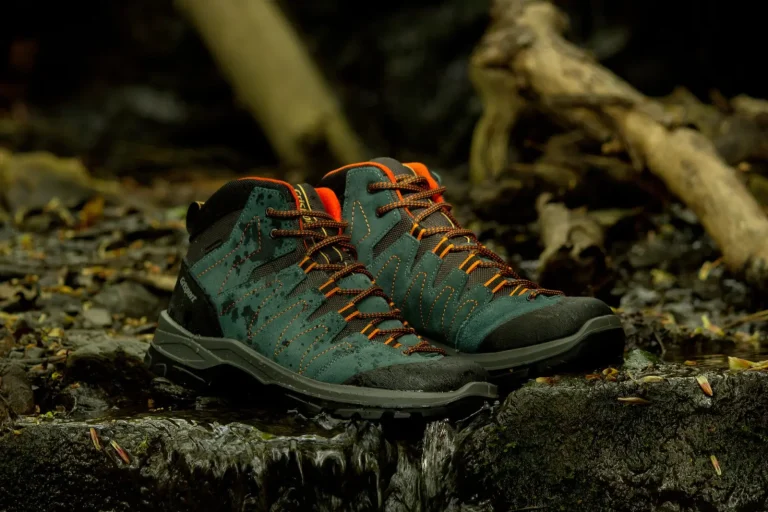
Footwear matters more than people expect. Proper walking boots or trail shoes with good grip are genuinely useful. The roots and uneven ground can twist an ankle, and wet conditions make slipping a real possibility. Casual sneakers work for short, easy walks, but anything longer deserves proper footwear. The ground is muddy enough in places that your feet will get wet regardless, so waterproofing is secondary to grip.
The forest around Cooktown isn’t hostile, but it demands respect for conditions. It’s not a place to walk carelessly or without preparation. The rewards are real – the solitude, the soundscape, the sense of moving through something genuinely wild – but they come with the understanding that you’re moving through an environment that operates on its own terms, not yours. That’s what makes it worth the effort.