
Mount Lewis sits in far north Queensland, and its rainforest holds a particular kind of wildlife activity that doesn’t match the popular image of tropical abundance. After multiple visits across different seasons, the pattern becomes clear: what you encounter depends heavily on time of day, weather patterns, and whether you’re willing to move slowly enough to notice things.
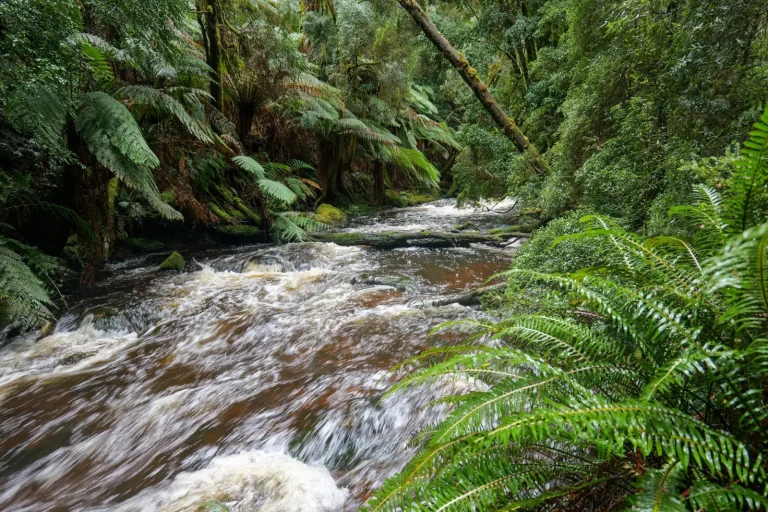
The forest itself is dense. Visibility rarely extends more than twenty or thirty meters in any direction, and the canopy sits high enough that much of the animal life happens above head height. This changes how you experience the place. You’re not scanning a landscape; you’re listening, watching for movement in specific zones, and learning to recognize calls before you see the animal making them.
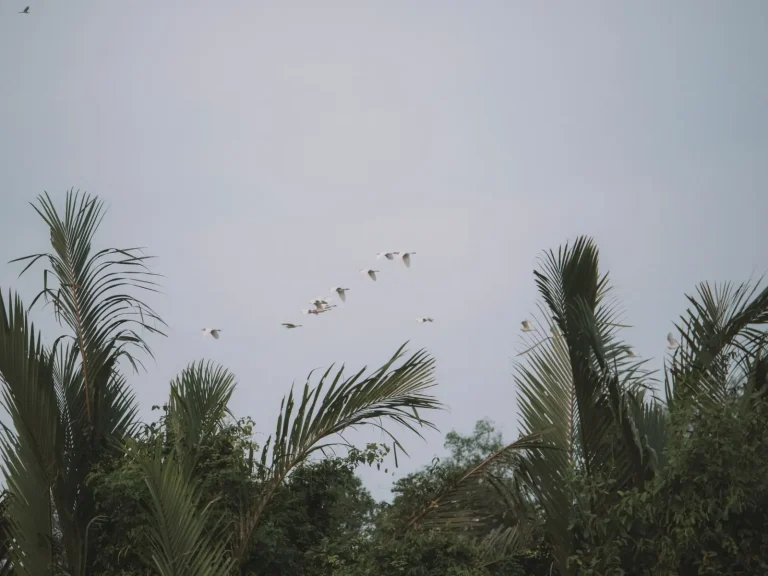
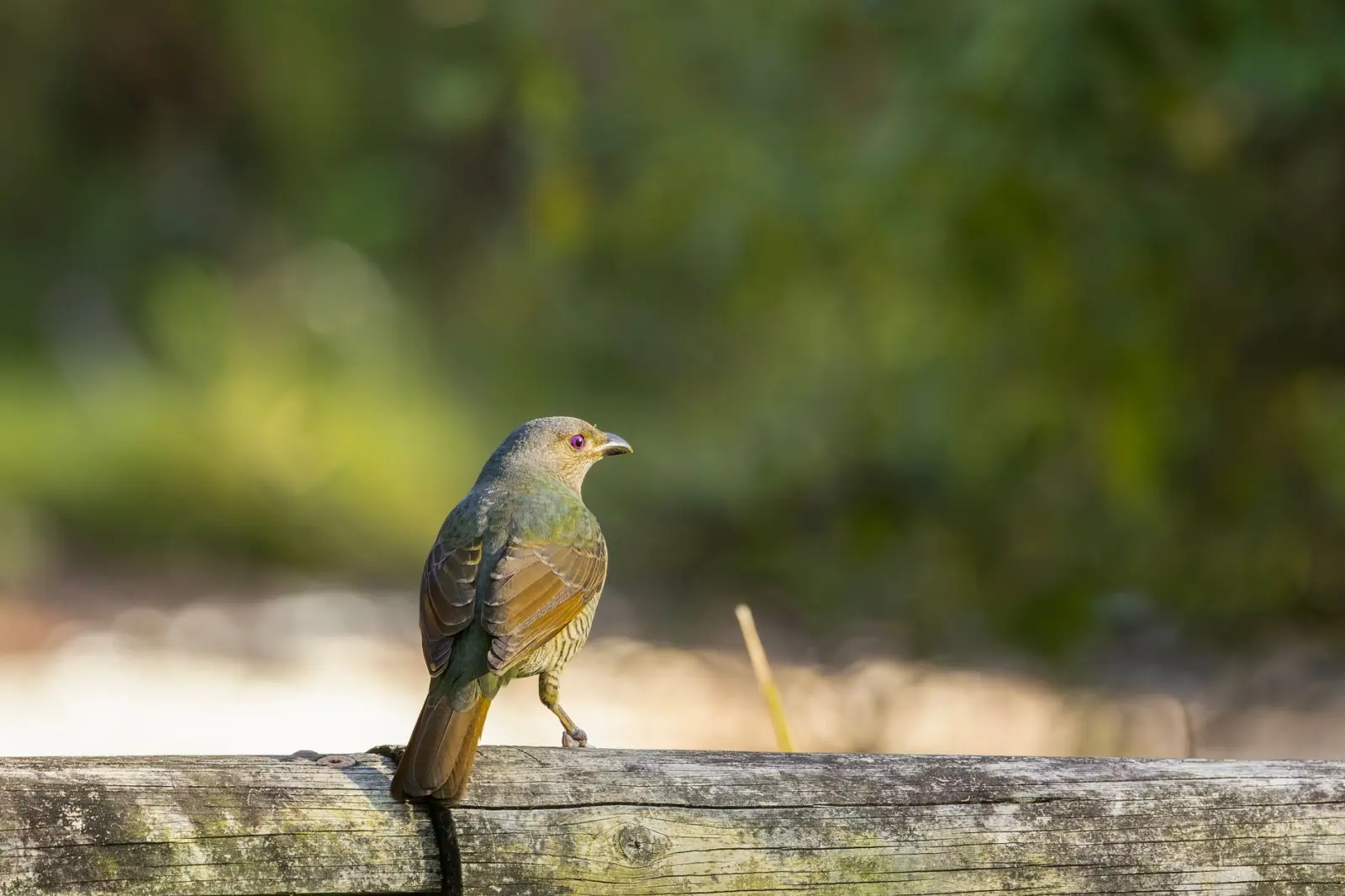
The birds dominate early morning activity, particularly in the first two hours after dawn. Regent bowerbirds move through the mid-story with a distinctive heavy flight pattern, and their calls – loud, mechanical, repetitive – carry through the forest. You’ll hear them long before seeing the bird itself. Cassowaries are present but genuinely rare to encounter on foot. The forest is large enough, and their range wide enough, that crossing paths requires timing and luck. Early morning or late afternoon offers better odds, but even then, most visits yield only evidence: scratched leaf litter, broken branches at feeding height, droppings on the track.
What the canopy holds
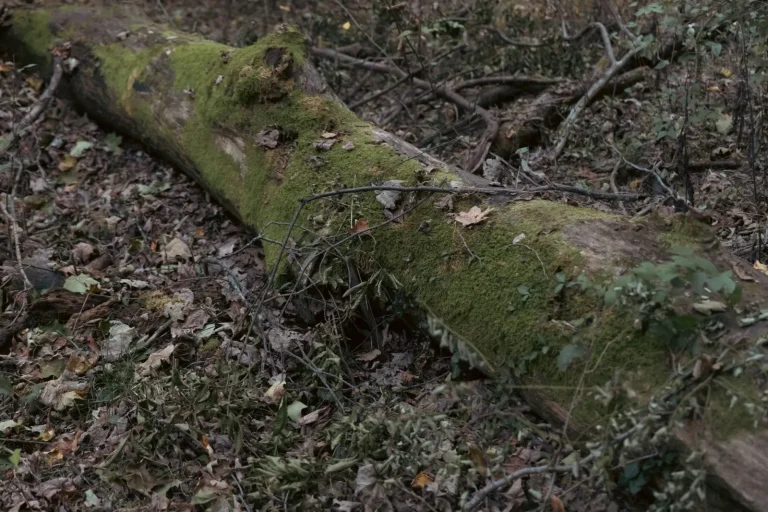
The upper forest is where much of the vertebrate activity concentrates. Musky rat-kangaroos forage on the ground in the early hours, and their small, precise tracks appear on soft soil after rain. They’re skittish and move quickly, but patient observation near dense cover sometimes rewards you with a sighting. The forest floor itself – deep leaf litter, rotting logs, exposed root systems – supports a high density of small reptiles and invertebrates that most visitors never notice because they’re not looking down.
Tree-kangaroos inhabit the canopy and mid-story, and they’re active during the day, but spotting one requires either luck or knowing where to position yourself during feeding periods. They move deliberately, not frantically, and their presence is often announced by falling leaves and small branches. The sound is subtle enough that you can walk past without registering it if you’re not tuned to the forest’s acoustic landscape.
Possums and gliders emerge at dusk. The lemuroid ringtail possum is common in the right habitat, and their calls – a series of sharp, clicking sounds – become prominent in the late afternoon. Sugar gliders move through the canopy at night, and while you won’t see them during daylight, their presence shapes the forest’s nocturnal ecology. If you’re staying nearby and venture out after dark with a torch, the beam often catches their eyes reflecting in the upper branches.
Reptiles and amphibians
The wet season brings amphibians into active breeding mode, and the forest becomes loud with frog calls at night. The sound is overwhelming if you’re not expecting it – a constant, layered chorus that makes conversation difficult. Different species call at different frequencies and times, creating a temporal niche system that’s been refined over thousands of years. The Boyd’s forest dragon is present but cryptic, relying on stillness and camouflage rather than movement to avoid predation. You might walk past several without noticing them.
Snakes are present and active, particularly after rain or during warm, humid conditions. Most are harmless, but the forest does contain venomous species, and this reality shapes how you move through the environment. Awareness matters more than fear. Watching where you place your hands and feet, listening for movement in leaf litter, and respecting the space around logs and dense vegetation are practical necessities rather than optional precautions.
Seasonal and weather patterns
The dry season, roughly May through September, sees reduced activity overall. Breeding cycles wind down, water sources concentrate, and animals move less frequently. The wet season reverses this pattern entirely. Humidity climbs, water is abundant, and feeding and breeding activity intensify. This isn’t theoretical – it changes what you actually encounter on the ground.
Rain itself is a critical variable. Heavy rain drives many animals into shelter, but light rain or the period immediately after rainfall often triggers feeding behavior. The forest floor becomes more active, insects emerge, and predators respond. Timing a visit for the day after a rain event often yields better wildlife observation than clear, dry days.
Temperature matters too, but not in the way casual visitors often assume. It’s not about whether it’s hot or cold in absolute terms. It’s about stability. Rapid temperature swings or sudden weather changes suppress activity. Stable conditions, even if warm and humid, tend to produce more consistent wildlife movement and visibility.
Mount Lewis rainforest wildlife is present and diverse, but it’s not a spectacle forest where animals appear on schedule. It’s a place where understanding the forest’s structure, rhythms, and constraints fundamentally changes what you’re able to observe. The animals are there. Whether you encounter them depends on how you move through the space and how closely you’re paying attention to the details most people walk past.