
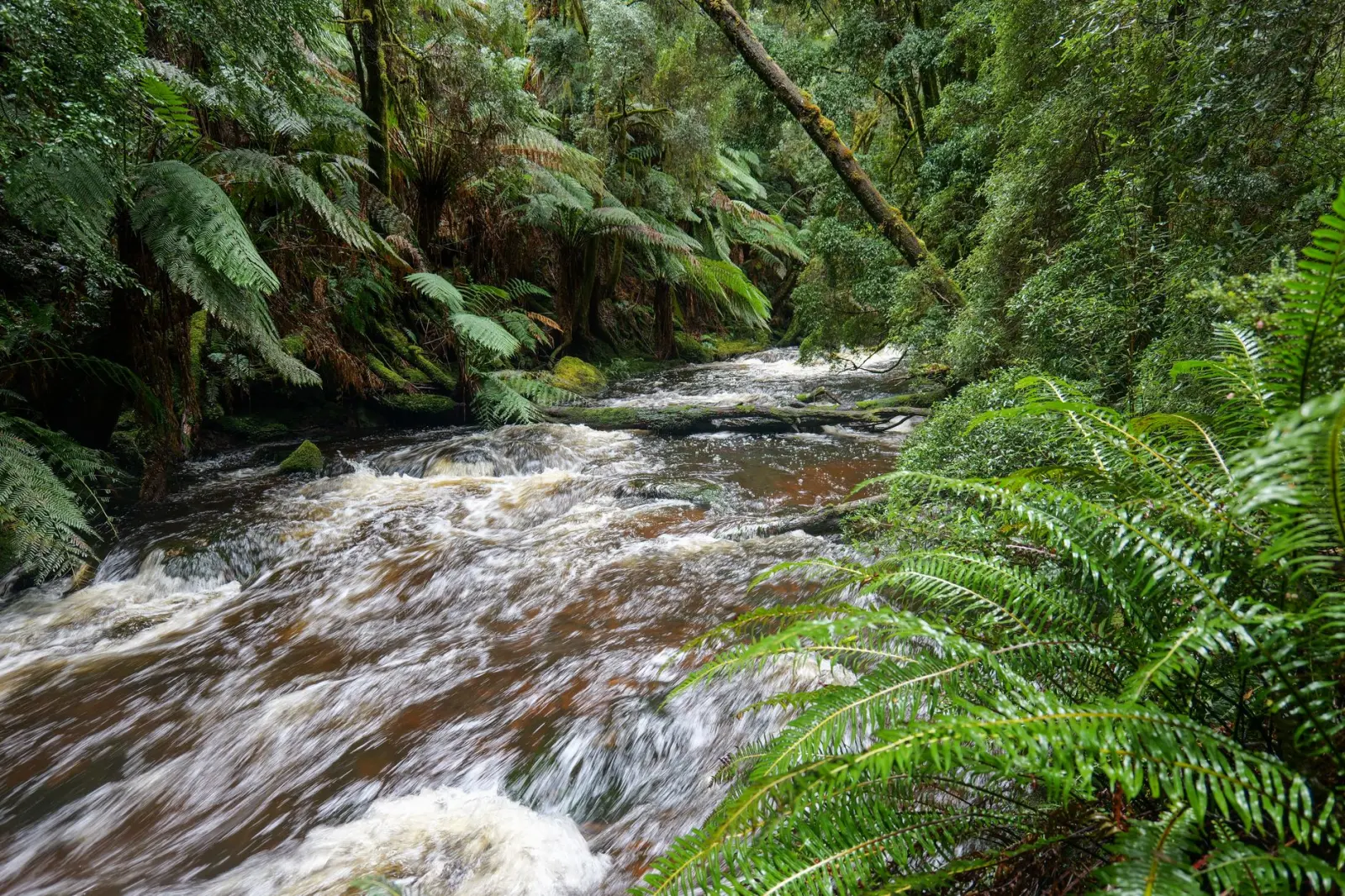
Spending time around Australian rainforest waterways teaches you quickly that freshwater turtles are far more particular about their environment than most casual observers assume. Over years of moving through these systems – whether for research, guiding, or simply spending time in the bush – you notice patterns that don’t make it into popular accounts. The turtles here aren’t randomly distributed. They occupy specific stretches of creek, pool, and swamp with a precision that reflects decades of adaptation to local conditions.
The rainforests of northeastern Australia, particularly around Queensland and far northern New South Wales, hold several turtle species that have evolved distinctly from their inland cousins. The most commonly encountered are the Saw-shelled Turtle, the Northern Long-necked Turtle, and various species of snake-necked turtles. What strikes you when you’re actually moving through these habitats is how localized populations can be. A productive stretch of creek might support dozens of individuals, while an apparently similar waterway a few kilometres away holds almost none. This isn’t random. It reflects water permanence, food availability, suitable basking sites, and predation pressure.
Water Permanence and Seasonal Patterns
The first thing that becomes obvious when you’re tracking turtles through a wet season and into the dry is that water permanence dictates everything. Rainforest systems in Australia experience intense seasonal variation. During the wet season, water levels rise dramatically, and temporary pools form throughout the forest floor. Turtles move into these spaces, feeding and dispersing. But as the dry season advances, the system contracts. Turtles must be in permanent water bodies by the time the temporary pools dry completely, or they face death.
This creates a genuine survival bottleneck. Populations concentrate in deep pools, spring-fed creeks, and swampy areas that hold water year-round. You can walk past these refuges during the dry season and find turtles stacked in densities that would seem impossible during the wet months. The stress is real. Reduced water volume means reduced feeding opportunities, increased competition, and nowhere to escape if a predator enters the pool. Disease spreads faster in concentrated populations. Turtles that were widely distributed across the landscape just weeks earlier are now confined to whatever permanent water exists.
The timing of the transition matters enormously. If the dry season arrives early or is particularly severe, turtles that haven’t moved to permanent water in time face catastrophic mortality. I’ve seen this happen in years when the wet season ended abruptly. Temporary pools dried faster than normal, and turtles stranded in shrinking water bodies either perished or were forced into desperate movements across dry land, exposing themselves to predation and exhaustion.
Habitat Structure and Microhabitat Use
Within permanent water bodies, turtles don’t use space uniformly. They select specific microhabitats based on water depth, substrate type, vegetation, and proximity to basking sites. Deep, slow-moving pools with overhanging vegetation are preferred. The vegetation provides shade, refuge from predators, and feeding opportunities. Turtles will position themselves in submerged root systems, under undercut banks, or among fallen logs. These aren’t random choices. They represent positions that balance access to food, protection from predators, and thermal regulation.
Basking behaviour is often misunderstood. People assume turtles bask primarily to thermoregulate, and while that’s part of it, basking also serves critical functions for shell health and parasite management. In rainforest systems, basking sites are limited. Suitable rocks, logs, or banks that are exposed to enough sunlight but not so exposed that turtles become vulnerable are scarce. Competition for these sites can be intense. You’ll observe dominant individuals occupying prime basking spots while subordinates wait in deeper water. During periods of poor weather or high predation risk, basking activity drops sharply, and turtles spend extended periods underwater.
Feeding Ecology and Seasonal Availability
The diet of rainforest turtles shifts seasonally in ways that directly reflect what’s available in the water. During the wet season, when the system is flushed with new water and organic matter, food abundance increases. Aquatic invertebrates proliferate. Fallen vegetation breaks down and provides resources. Turtles feed actively and grow. As the dry season progresses and the system becomes more closed, food availability declines. Turtles shift their behaviour, spending more time resting and less time actively foraging. Metabolic demands decrease as water temperature drops slightly and activity levels fall.
Opportunistic feeding on larger prey – fish, crustaceans, carrion – becomes more important during periods of scarcity. Turtles will consume dead animals in the water, and they’ll actively hunt if the opportunity arises. The shift from grazing on aquatic plants and small invertebrates to more predatory behaviour is gradual and depends on local conditions. In systems with abundant vegetation, some species remain primarily herbivorous year-round. In systems with less plant matter, carnivory increases.
Predation and Vulnerability
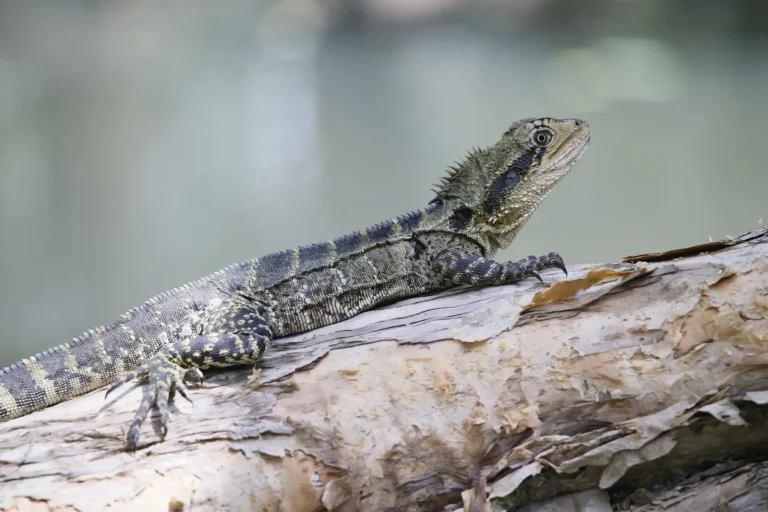
Predation pressure on turtles varies dramatically depending on what predators are present and how concentrated the turtle population becomes. In rainforest systems, the main threats come from large monitor lizards, water snakes, and occasionally crocodiles in northern areas. During the wet season, when turtles are dispersed across a wide area, predation impact is diffuse. Individual predators can’t focus on turtle populations effectively. But as turtles concentrate in permanent water during the dry season, they become vulnerable to sustained predation.
A single large monitor lizard or python can have significant impact on a concentrated turtle population. I’ve observed situations where predator activity clearly shaped turtle behaviour – turtles spending less time at the surface, avoiding certain areas of a pool, remaining in dense vegetation rather than in open water. This isn’t paranoia. It’s adaptive response to real threat. The energy cost of this altered behaviour is measurable. Turtles that spend more time hiding and less time feeding lose condition. Over a long dry season, this accumulates.
Hatchlings and juveniles face disproportionate predation. Nesting sites in rainforest systems are often near water, and hatchlings must reach the water to survive. The journey from nest to water is perilous. Predators focus on these vulnerable individuals. Recruitment into the adult population is highly variable from year to year, depending on nesting success, predation rates on hatchlings, and water conditions during the critical early growth period.
Water Quality and Disease
Water quality in rainforest systems is generally good, but it’s not static. Tannins from decomposing vegetation color the water brown. pH varies. Dissolved oxygen can become limiting in stagnant pools, particularly during warm periods. Turtles are sensitive to these changes. Populations in systems with poor water quality show higher rates of shell disease and respiratory infection. The relationship between water quality and turtle health is direct and observable.
Disease outbreaks in concentrated populations are a genuine concern. Shell rot, fungal infections, and parasitic infestations spread readily when turtles are crowded and stressed. I’ve seen populations where a significant proportion of individuals showed signs of infection during the dry season. As water quality deteriorates and stress increases, immune function declines, and infection rates rise. Once the wet season arrives and turtles disperse into better-quality water and lower densities, infection rates typically drop.
Rainforest turtles are ultimately creatures of a specific ecological context. They’ve evolved to exploit seasonal water systems, and they’re finely tuned to the rhythms of wet and dry seasons. Understanding their actual behaviour requires moving beyond generalizations and observing what they do under real conditions – how they respond to water level changes, how they use space, what they eat when resources shift, and how they navigate the genuine pressures of predation and disease. These aren’t exotic animals with mysterious needs. They’re practical survivors operating within tight ecological constraints.