Jourama Falls sits in a pocket of rainforest about 90 minutes inland from Townsville, and the main walk to the falls themselves is straightforward enough – a well-maintained track that handles thousands of visitors annually. But the forest around it is something different. Once you move beyond the obvious paths, the character of the place changes. The canopy thickens. The ground becomes less certain. And the experience shifts from a casual day walk into something that demands more attention and preparation.
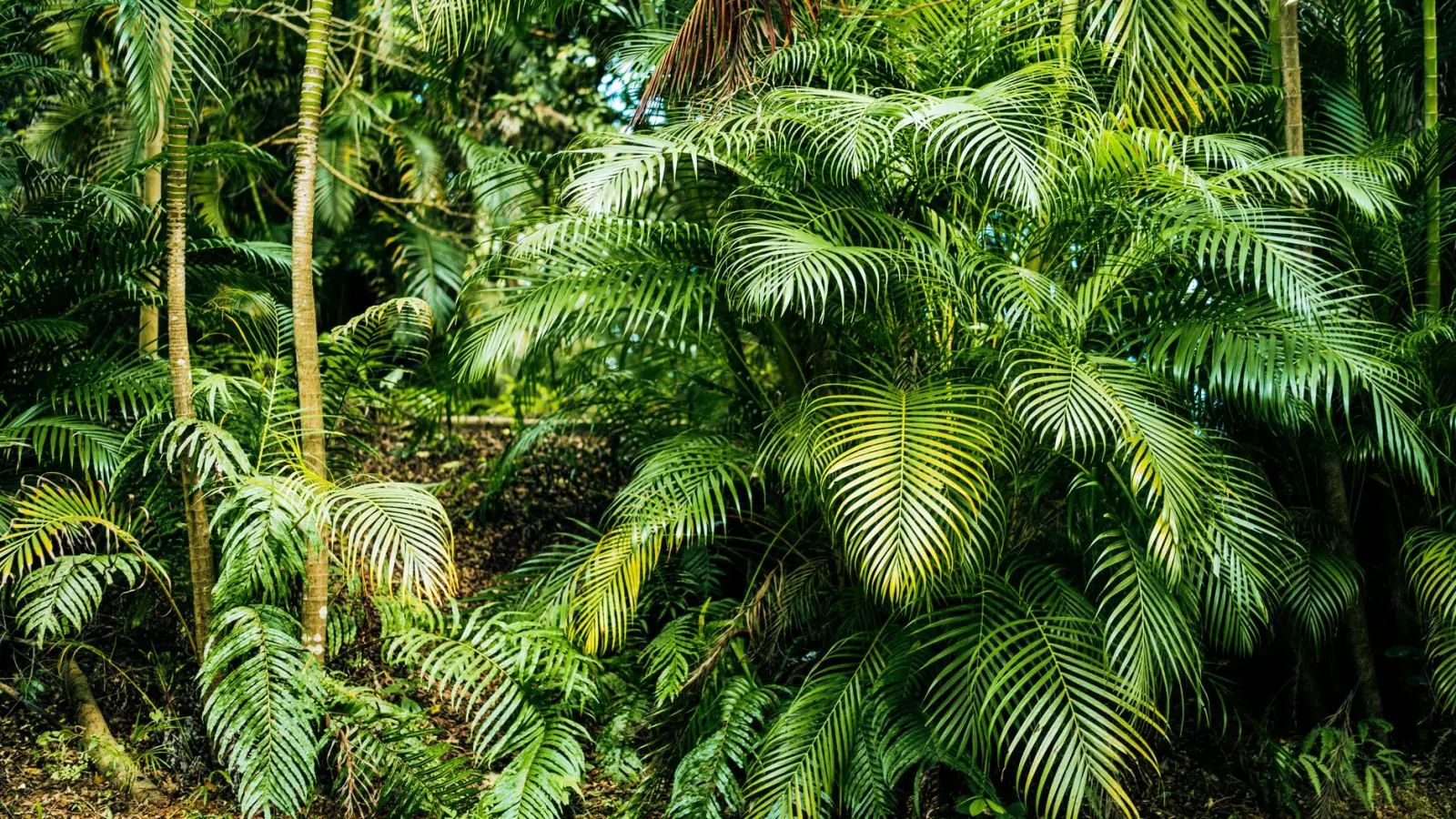
I’ve spent enough time in this forest to understand its rhythms and its complications. The rainforest here isn’t the dense, impenetrable jungle of popular imagination. It’s more subtle than that. The trees are tall and widely spaced in places, creating pockets of relative openness. But the understory is thick with vines, fallen logs, and vegetation that can obscure the ground entirely. The light changes constantly as you move through different densities of canopy. And the humidity – even on days when the coast feels pleasant – sits at a level that makes sustained physical effort feel heavier than it should.
The Water and the Terrain
The creek system that feeds Jourama Falls is the dominant feature of the forest. Water runs year-round, though the volume changes dramatically with rainfall. During the wet season, the creek swells and the forest becomes genuinely difficult to move through. The water itself isn’t the main problem. It’s what the water does to the surrounding terrain. Banks become slippery. Rocks are covered in algae. Fallen trees create obstacles that are harder to navigate when wet. And the noise of flowing water can be disorienting – it’s harder to judge distances and directions when you’re focused on not slipping.
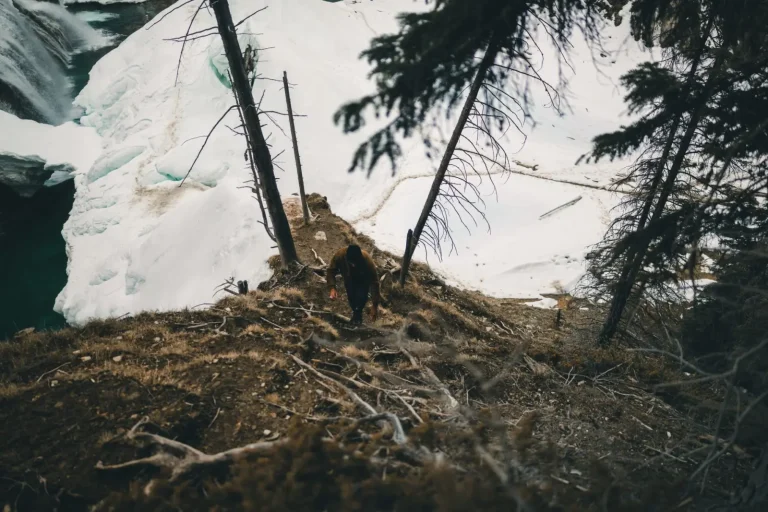
Outside the wet season, the creek is manageable, but the terrain around it remains complicated. The forest floor slopes toward the water in most places, and the slope is steeper than it first appears. What looks like a gentle descent from above often turns out to be a series of drops and scrambles once you’re in it. The rocks themselves are smooth and rounded, which looks stable but isn’t. They move underfoot in ways that demand constant adjustment. I’ve seen people who are fit and experienced struggle with this kind of terrain simply because the footing is never quite what you expect.
The vegetation changes as you move along the creek. In some sections, the forest opens up and you can move relatively freely. In others, the vines and saplings create a barrier that’s almost solid. There’s no consistent pattern to these changes. You might find an open stretch that makes you think the walking will improve, only to encounter dense scrub a hundred meters further on. This unpredictability is worth acknowledging. It means that time estimates are unreliable. A section that looks short on a map can take much longer to traverse than the distance suggests.
Navigation and Visibility
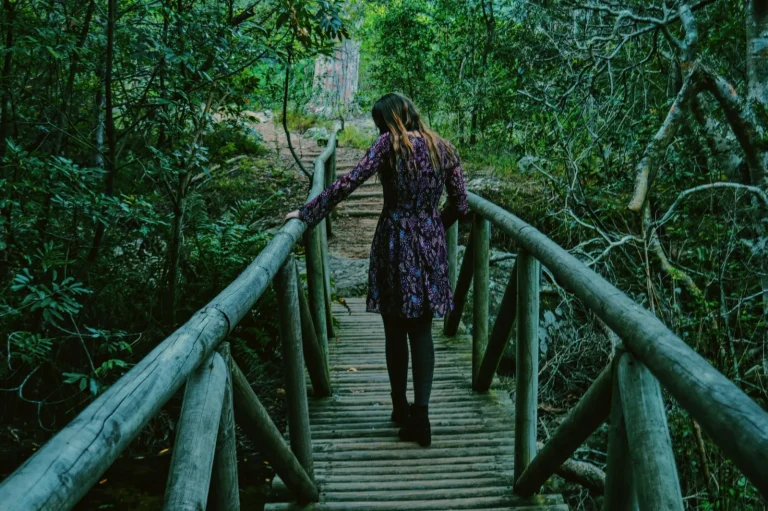
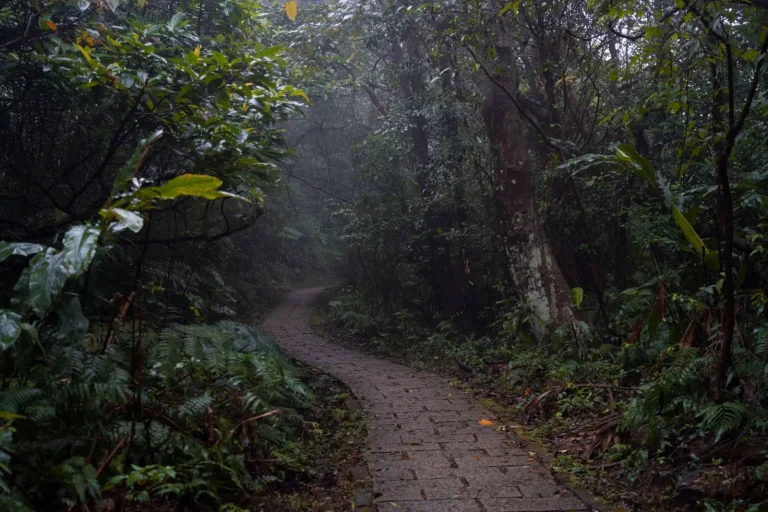
The main track to Jourama Falls has clear markers and is impossible to lose. The forest beyond that is a different proposition. There are informal trails in places – tracks created by repeated foot traffic – but they’re not maintained and they don’t always lead where you might expect. Some of them peter out into dead ends. Others loop back on themselves. A few are genuinely misleading, especially when the vegetation is dense and your perspective is compressed by the canopy overhead.
Compass navigation in this forest is possible but requires care. The canopy is dense enough to affect GPS accuracy in places. The magnetic declination is significant enough that you need to account for it properly. And the terrain itself – the slopes, the creek, the vegetation – can make it hard to maintain a straight line even if you know your bearing. I’ve watched experienced navigators make slow progress in this forest simply because the practical constraints of moving through the terrain mean you can’t follow a planned route with any precision.
The light under the canopy is another factor that affects navigation. On overcast days, the difference between morning and afternoon light is subtle, and it’s easy to lose your sense of direction. The forest looks similar in all directions. The trees are consistent. The vegetation patterns repeat. Without clear landmarks or water features to orient yourself by, it’s possible to move in a circle without realizing it. This is less likely if you’re paying attention, but it happens often enough that it’s worth taking seriously.
Physical Demands and Fatigue
The walk to the falls and back is achievable for most people with basic fitness. The additional walking in the forest around it is a different level of exertion. The terrain is uneven. The footing is uncertain. The vegetation requires constant attention. And the humidity is relentless. Even on cool days, the air under the canopy is thick and moisture-laden. Your body works harder than it should to maintain temperature regulation. Fatigue accumulates faster than it does on open trails.
This matters because fatigue changes decision-making. When you’re fresh, you assess terrain carefully and move cautiously. When you’re tired, you take more risks. You move faster than conditions warrant. You pay less attention to footing. And in a forest where the terrain is already unforgiving, this shift in behavior is when things go wrong. I’ve seen minor slips turn into more serious injuries because someone was tired and moving too quickly through difficult ground.
The humidity also affects your perception of time and distance. A walk that should take an hour can feel like it’s taking much longer. The lack of visual progress – because the forest looks similar throughout – compounds this effect. People often underestimate how far they’ve walked and how much time has passed. This can lead to poor decisions about turning back or pushing on when conditions are deteriorating.
Wildlife and Seasonal Factors
The forest is home to snakes, spiders, and other creatures that are worth respecting but not fearing. Snakes in this region are generally shy and will move away from vibration and noise. Spiders are present but encounters are rare if you’re moving through the forest with normal awareness. The real wildlife consideration is less about dramatic encounters and more about the simple fact that you’re moving through an animal’s habitat. Respect that, move carefully, and problems are unlikely.
The seasonal factor is more significant. The wet season – roughly November through March – makes the forest substantially more difficult. The creek rises. The ground becomes boggy in places. The vegetation is lush and dense. The humidity is extreme. And the risk of getting caught in heavy rain increases significantly. I’ve been in this forest during the early wet season when a brief shower turned the creek into a torrent within minutes. The forest itself didn’t change, but the conditions became genuinely hazardous.
The dry season is more forgiving, but it brings its own complications. The creek is lower, which makes some areas easier to navigate, but also means water sources are less reliable if you’re spending extended time in the forest. The vegetation is less lush, which can make movement easier in some places. But the fallen leaves and debris on the ground can obscure obstacles. And the reduced water flow means the forest is quieter, which can actually make navigation harder because you lose the auditory reference point of the creek.
The forest around Jourama Falls is accessible and rewarding, but it’s not a place to approach without thought. The terrain is more complicated than it appears. The navigation is less straightforward than the marked trails suggest. And the physical demands are real. Spend time here with proper preparation – good footwear, water, a map, and realistic expectations about pace and difficulty – and it’s a genuinely interesting part of the landscape. Approach it casually, and it will remind you quickly that the rainforest, for all its beauty, operates on its own terms.