Mapleton National Park sits on the Blackall Range in Queensland, and the forest there operates on its own schedule. I’ve walked these trails enough times to know that the brochure version and the actual experience diverge sharply around mid-morning, usually when the humidity peaks and your legs have already absorbed the grade of the terrain.
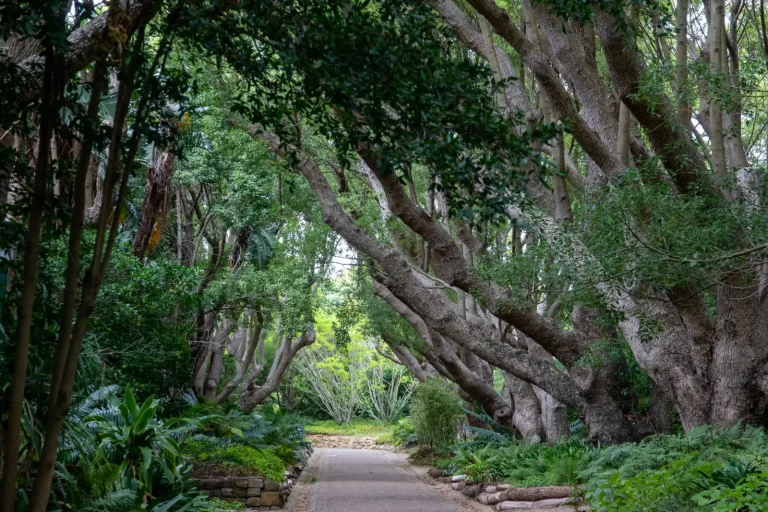
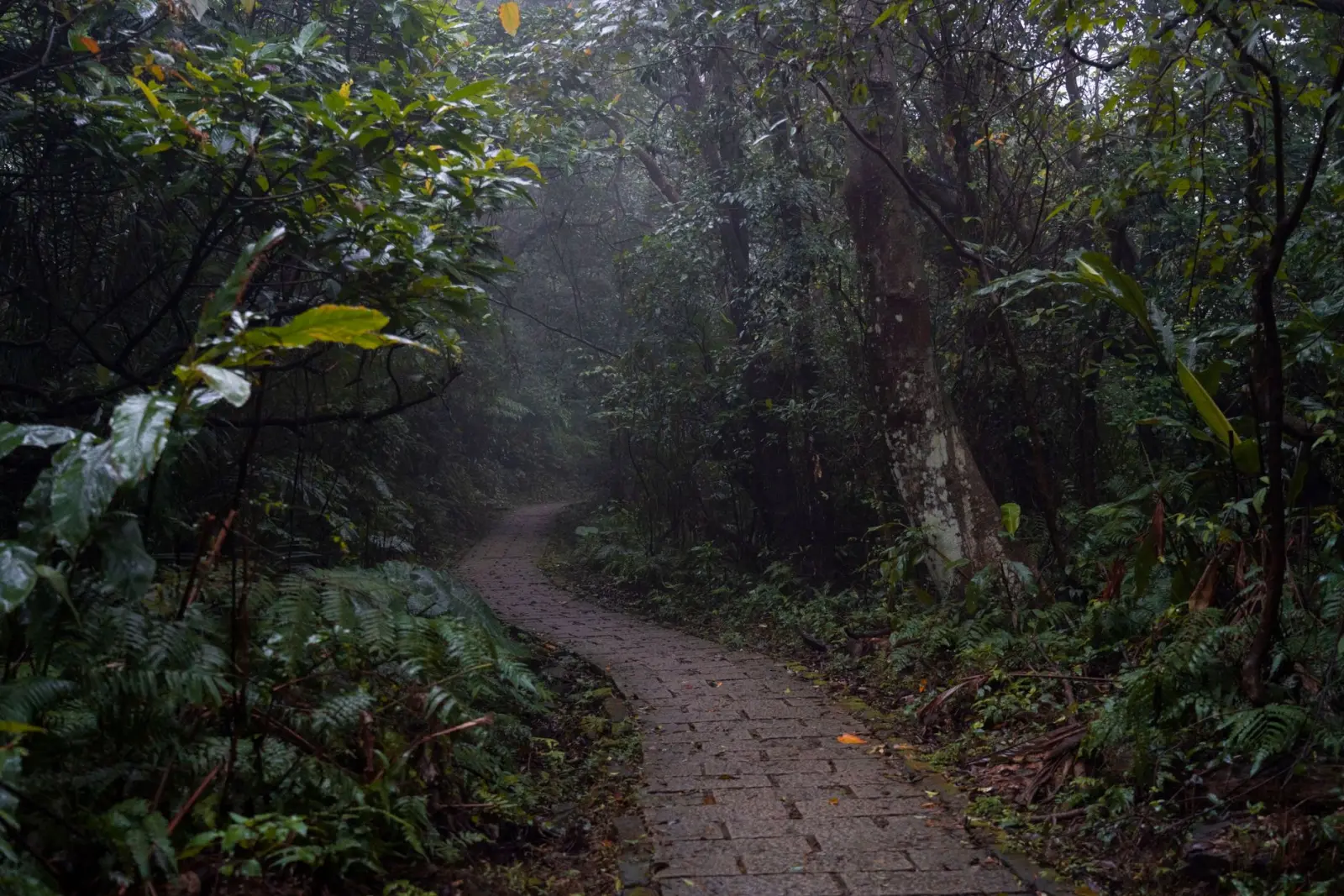
The park isn’t vast – it covers roughly 55 square kilometres – but the forest density means distance feels longer than the map suggests. Trails wind through subtropical rainforest, and the canopy is thick enough that you lose direct sun for most of the walk. This sounds pleasant until you’re halfway through and realise the lack of breeze means the moisture just sits on your skin. The temperature gauge might read 22 degrees, but the perceived heat is considerably higher because air circulation is minimal under that canopy.
Most people arrive expecting a leisurely forest stroll. The reality is that the terrain forces a different pace. The ground is uneven – not dramatically so, but consistently. Exposed tree roots, loose gravel patches, and the occasional dip in the path mean you can’t settle into a rhythm. Your attention has to stay on foot placement. After two hours, this becomes fatiguing in a way that flat walking never is, even if the elevation gain isn’t extreme.
Timing and the Forest Rhythm
Starting early matters here, though not for the reasons people usually assume. It’s not about avoiding crowds – the park rarely gets busy enough for that to be a real factor. Early starts matter because the forest changes significantly as the day progresses. In the first two hours after sunrise, the air is relatively clear and the light is better. By 10 a.m., the humidity has built enough that visibility through the trees diminishes slightly, and the ground, which may have been damp from overnight dew, begins to feel slick rather than just moist.
The afternoon brings another shift. Around 2 p.m., if there’s been any recent rain, the forest floor becomes genuinely treacherous. Mud patches that were manageable in the morning become slippery, and the risk of a turned ankle increases noticeably. I’ve seen experienced walkers lose footing on what looked like a simple gravel section simply because the underlying surface had shifted. The forest doesn’t announce these changes – you discover them through your feet.
Water and Hydration Reality
The park has water sources, but they’re not conveniently placed. There’s a creek system, and some trails cross water, but you can’t rely on regular refill points. The water that’s available is untreated, and while the park is relatively small and well-maintained, treating water takes time and equipment. Most walkers carry their full requirement from the start, which adds weight and bulk to an already demanding walk.
Dehydration sneaks up faster in humid forest than in open terrain because you’re not sweating visibly – the moisture just sits on your skin and evaporates slowly. You can walk for two hours feeling reasonably comfortable and then hit a point where your energy drops sharply. By that stage, you’re already behind on fluid intake. Carrying more water than you think you need is the practical answer, even though it means extra weight for the entire walk.
The Flora and What It Means
The subtropical rainforest here is dense with vegetation, and while it’s visually interesting, it also creates practical constraints. Trails are narrow in places, sometimes barely wider than a person. Overhanging branches mean you need to watch your head height, particularly if you’re carrying a pack. The vegetation also means there’s nowhere to step off the trail if you need to rest or let someone pass. You either stop on the trail or you push through.
Insects are present but not usually aggressive. Leeches can be an issue after rain, particularly in wetter sections. They’re not dangerous, but they’re persistent and slightly unsettling if you’re not used to them. Long trousers and gaiters help, though in the humidity, wearing full-length protection is uncomfortable. Most walkers accept the trade-off and deal with a leech or two if conditions warrant it.
Navigation and Trail Condition
The main trails are well-marked, and getting lost is unlikely if you’re paying attention. The paths are maintained regularly, which is noticeable. However, maintenance means occasional tree clearing, and freshly cut sections can be slippery if the wood is still wet. The trail quality is generally good, but it’s not uniform. Some sections are compacted earth, others are gravel, and some are essentially rocky scrambles over exposed stone.
After heavy rain, drainage becomes an issue. The forest floor is designed to absorb water, but concentrated trail use means water tends to channel along the path rather than dispersing. This creates small streams running down the trail, which erodes the surface and makes footing uncertain. A walk that’s straightforward in dry conditions becomes notably more technical after rain.
The forest at Mapleton demands respect for its conditions rather than fear of it. It’s not dangerous in any absolute sense, but it requires attention and realistic planning. Most difficulties arise not from the park itself but from mismatched expectations – people who assume a forest walk will be easy, or who underestimate how the humidity and terrain interact over several hours. Those who arrive prepared for actual conditions find it rewarding. Those who don’t usually discover their mistake around the two-hour mark, when turning back is as far as pushing forward.