

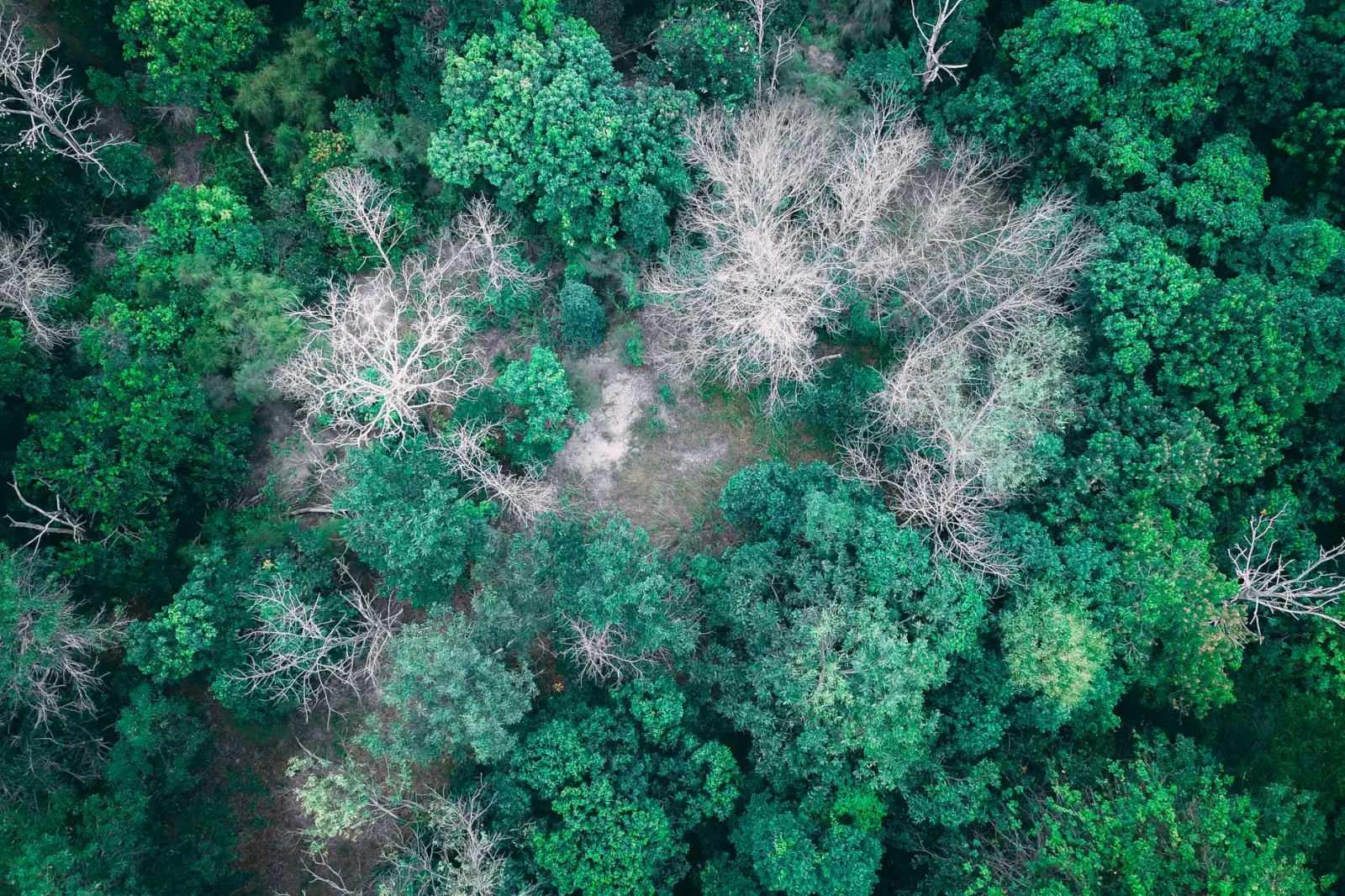
The forests around O’Reilly’s in the Gold Coast hinterland draw a steady stream of walkers, and there’s good reason for that. The subtropical rainforest here is dense enough to feel genuinely remote within an hour of the coast, and the terrain offers enough variation to keep things interesting across multiple visits. But what people encounter on the ground often differs from what guidebooks suggest, and the experience shifts noticeably depending on when you go and how prepared you actually are.
I’ve walked these trails dozens of times across different seasons, and the first thing that becomes apparent is that the forest itself is more demanding than it initially appears. The canopy is thick – thick enough that light levels drop significantly even in mid-morning – and the ground underfoot is rarely straightforward. Tree roots, rocks hidden under leaf litter, and sections of muddy or slippery terrain are constant features rather than occasional obstacles. This isn’t dangerous terrain, but it does require genuine attention. People who walk with their eyes on their phone or who expect to maintain a steady pace quickly find themselves slowing down or stepping awkwardly.
Terrain and Physical Reality
The elevation changes around O’Reilly’s are real, even if the absolute altitude isn’t extreme. Many of the popular loops involve climbs that aren’t steep but are sustained, and the combination of uneven footing and constant elevation change accumulates fatigue faster than flat terrain would. A walk that’s listed as 8 kilometers might feel considerably longer if you’re not used to this type of ground. The forest floor is rarely compacted into a smooth path; instead, it’s a mix of roots, rocks, and organic matter that requires constant minor adjustments to your footing.
Mud is a real consideration here, particularly in the wetter months. Even after rain that wasn’t particularly heavy, certain sections of track become slippery enough that you need to move deliberately rather than fluidly. This isn’t a reason not to walk – people do it comfortably – but it does mean that timing matters. Walking these trails in the morning after an overnight rain is a different experience than walking them on a dry afternoon. The mud itself isn’t deep, but it’s slick, and a slip is always possible if you’re not concentrating.
Navigation and Trail Marking
The trails are marked, but the marking system isn’t always intuitive if you’re not familiar with it. Blazes exist, but they’re sometimes spaced far enough apart that you might second-guess yourself between them. At trail junctions, signage is usually present but can be weathered or partially obscured by vegetation. I’ve watched people stand at intersections for several minutes trying to work out which direction to go, even though the correct path was marked. This isn’t a major issue if you’re paying attention, but it does mean that walking with a map or GPS file is genuinely useful rather than optional.
The forest itself can be disorienting. The canopy is dense enough that you lose a clear sense of direction, and the terrain rolls in ways that make it easy to misjudge how far you’ve come or which direction you’re heading. This matters most if you’re walking alone and something unexpected happens – a twisted ankle, for instance, or simply losing your way. The trails are well-used enough that you’re unlikely to be completely alone for long, but it’s not a guarantee.
Seasonal Variation and Wildlife
The forest changes considerably across the year. In summer, the humidity is high enough that the walk feels heavier, and the risk of encountering leeches increases significantly. They’re not dangerous, but they’re persistent and unpleasant, and dealing with them becomes part of the experience rather than a rare occurrence. Winter is drier and cooler, which makes for more comfortable walking, though the reduced water flow means fewer of the forest streams that are features of the landscape in wetter months.
Wildlife encounters are common but usually brief. Lyrebirds are frequent, and their calls can be startling if you’re not expecting them. Wallabies appear regularly but move away quickly. Snakes are present but rarely seen; in my experience, they tend to move away from vibrations long before you get close. The forest is genuinely alive, but the experience is more often one of hearing animals than seeing them.
Practical Considerations That Matter
Water is essential, and the amount you need depends on the walk and the season. The trails themselves don’t have water sources that are reliably safe to drink from, despite the presence of streams. Carrying enough water means carrying weight, and the uneven terrain makes that weight noticeable. A 2-liter capacity is usually sufficient for a half-day walk, but anything longer requires planning.
Footwear makes a real difference here. Shoes with good grip and ankle support aren’t optional; they’re genuinely necessary. Flat-soled shoes or sandals will work on the easier sections, but they create risk on the slippery or rocky sections. Trail runners or hiking boots both work, depending on your preference, but they need to have actual traction.
The time required for any given walk is longer than it appears on paper. A trail marked as 2 hours will often take 2.5 or 3 hours in reality, depending on your pace and how often you stop. The forest invites stopping – there are views, interesting plants, streams – and the pace naturally slows. This isn’t a problem if you’re prepared for it, but it becomes one if you’re trying to fit a walk into a tight schedule.
Walking alone is possible and many people do it, but it’s worth being honest about the trade-offs. The solitude is genuine and valuable, but so is the reality that if something goes wrong – a fall, getting lost, feeling unwell – you’re managing it without immediate help. Walking with a partner or group changes the experience entirely, not just in terms of safety but in terms of pace and attention. Conversations happen, which means you’re not always focused on the terrain, and that can be either a positive or a source of minor incidents depending on your perspective.
The forests around O’Reilly’s reward attention and realistic expectations. They’re not challenging in a technical sense, but they’re genuinely engaging terrain that requires presence and basic preparation. People who approach them that way consistently have good experiences. Those who underestimate the physical demands or the navigation requirements tend to find the walks more difficult than anticipated.



