After spending years working in tropical watersheds, you learn to read a rainforest stream the way a sailor reads the ocean. The moment a storm system moves in, the entire character of the water changes – not just volume, but behavior, color, temperature, and the speed at which it moves through the landscape. Most people assume a rainforest stream simply floods during rain and recedes after, but the reality is far more textured than that. The response depends on what happened weeks before, the geology beneath the soil, how much canopy remains overhead, and the precise intensity and duration of the rainfall itself.
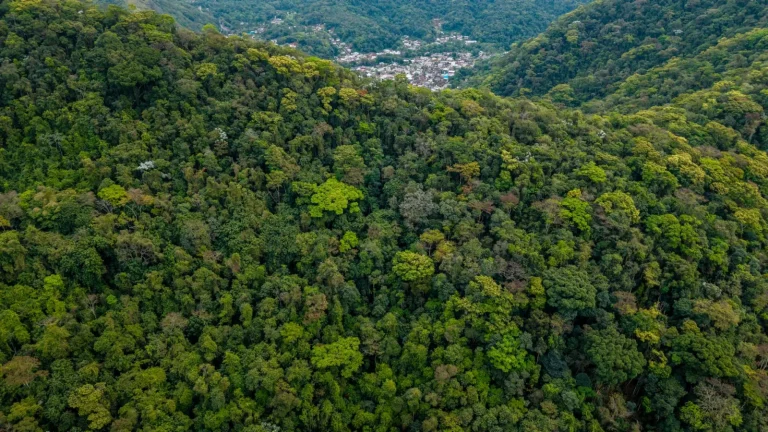
The first thing you notice during a storm is the lag time. Rain doesn’t instantly become runoff. Even in a tropical system where soil saturation happens quickly, there’s a measurable delay between when precipitation hits the canopy and when discharge in the stream noticeably increases. In intact rainforest with thick vegetation, much of that initial rainfall gets intercepted by leaves, branches, and moss. Some of it never reaches the ground at all – it evaporates or drips slowly over hours. The water that does reach the soil percolates downward, filling the pore spaces in the organic layer. Only after that buffer is saturated does water begin moving laterally toward the stream channel. On a typical afternoon thunderstorm, you might see a lag of 20 to 40 minutes before the stream responds meaningfully. During sustained, heavy rainfall lasting several hours, the lag shortens because the system is already primed.
The Color Shift and What It Means
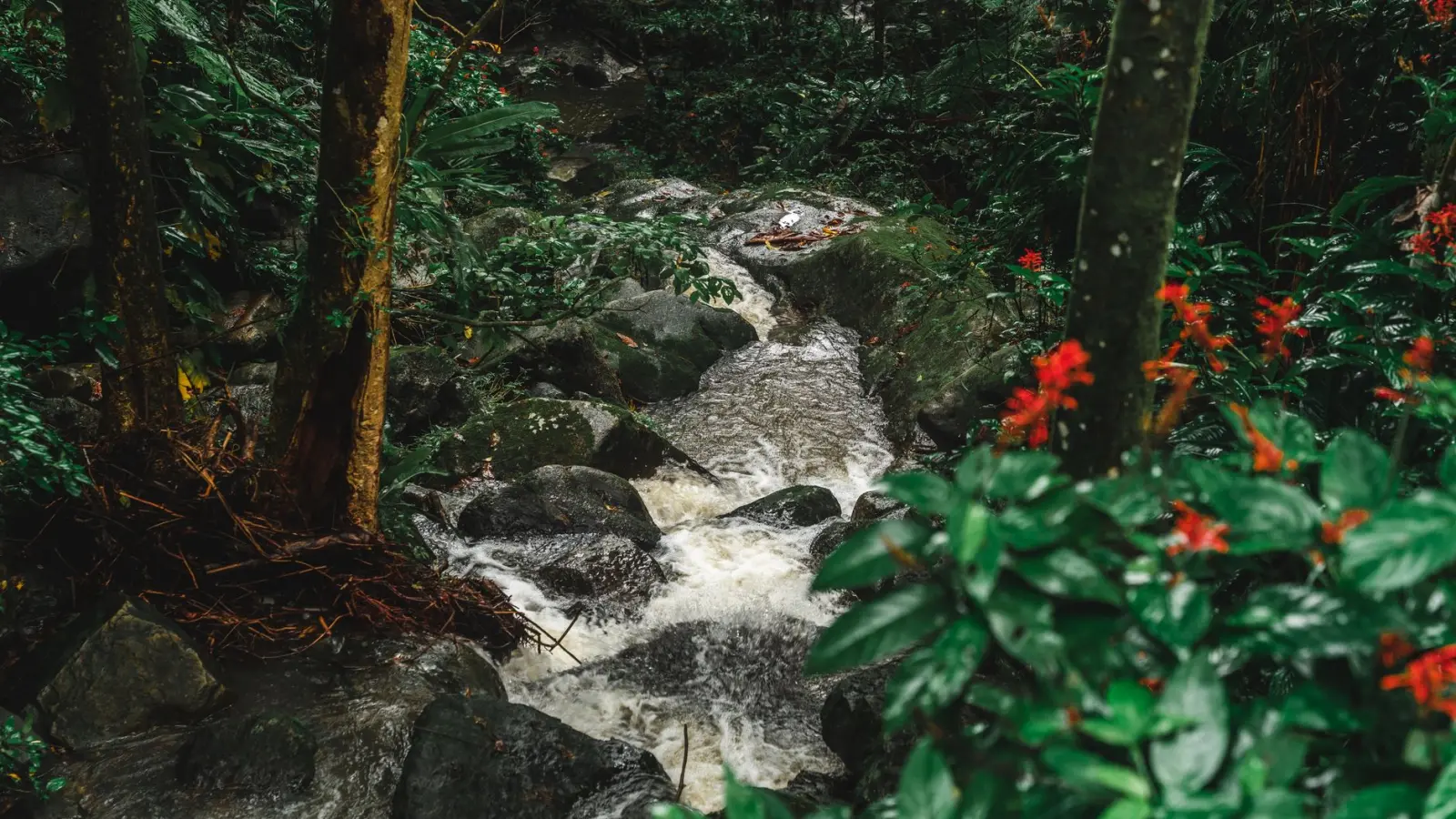
One of the most reliable indicators of how a stream is responding is the change in water color. A healthy rainforest stream at baseline is often tea-colored or clear, depending on geology and organic matter in the water column. The moment heavy rain begins, the water darkens – sometimes dramatically. This happens because increased flow mobilizes fine sediments and organic material from the stream bed and banks. But the speed and intensity of that color change tells you something important about the stream’s condition and the surrounding landscape.
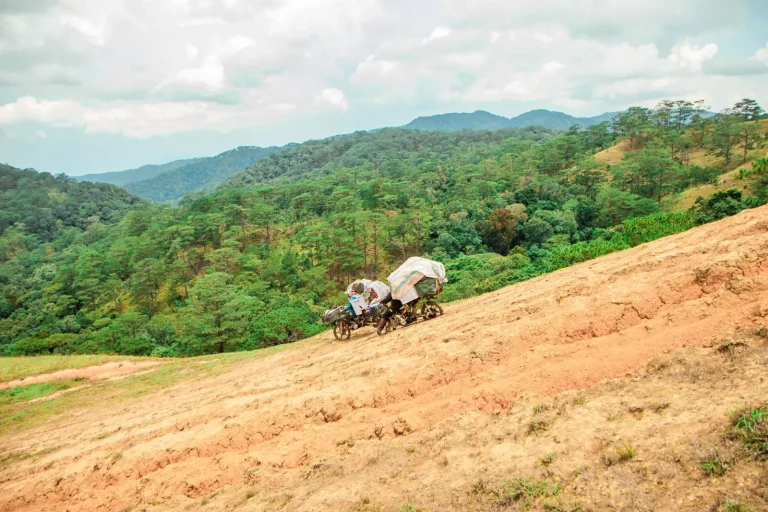
If the stream turns dark brown or black within minutes of rainfall beginning, it usually signals that the forest canopy has been significantly reduced or that the watershed has experienced recent disturbance – logging, landslides, or erosion. Intact rainforest, even during intense storms, tends to darken more gradually because the vegetation and soil structure slow the movement of sediment into the channel. I’ve observed streams in degraded watersheds change color in under five minutes, while adjacent streams in protected forest take 30 to 45 minutes to show the same degree of discoloration. That difference reflects the buffering capacity of the ecosystem.
The intensity of the color also varies with storm intensity and antecedent moisture. After a week of dry weather, even a heavy rain might produce a moderately colored stream because there’s still capacity in the soil to absorb water before significant overland flow occurs. But if the ground is already saturated from previous rainfall, the same storm will produce a much darker, more sediment-laden response because water moves across the surface rather than infiltrating.
Temperature Swings and Stream Stability
Water temperature in a rainforest stream is another sensitive indicator that most casual observers miss. Under normal conditions, a tropical stream maintains a fairly stable temperature – often between 18 and 24 degrees Celsius depending on elevation and canopy cover. During a storm, that temperature can drop noticeably. This happens because rain itself is cooler than the stream water, and intense rainfall reduces solar radiation reaching the surface. More significantly, if the storm triggers groundwater discharge from deeper aquifers, that water is considerably cooler than surface runoff.
A rapid temperature drop of several degrees during a storm event usually indicates that the stream is tapping into deeper water sources – a sign that the system is responding to genuine recharge rather than just surface runoff. Conversely, if the water temperature barely changes during a storm, it suggests that most of the increased discharge is coming from shallow, warm surface flows, which often indicates poor infiltration and rapid runoff. Over time, tracking these temperature patterns helps you understand the underlying hydrology of a watershed.
Flow Velocity and Channel Dynamics
The speed at which water moves through the channel increases dramatically during storms, but not uniformly. In a narrow, confined stream channel, velocity can double or triple within an hour of heavy rainfall. In wider, shallower sections, the increase is less dramatic because the water spreads across a larger surface area. The key observation is how the stream handles that increased velocity without catastrophic erosion or damage.
A well-vegetated riparian zone – the strip of forest immediately adjacent to the stream – acts as a shock absorber during high flows. Root systems stabilize banks, overhanging vegetation slows water movement at the edges, and organic debris creates temporary storage that buffers peak flows. I’ve walked alongside streams in protected forest where water velocity increased substantially during storms but the channel remained stable, with minimal bank erosion. In contrast, streams in cleared or degraded watersheds often show severe erosion during comparable rainfall events because there’s nothing to dissipate the energy of the moving water.
The presence of large woody debris – fallen trees and branches – also shapes how a stream responds to storms. In intact rainforest, this debris creates natural check dams that slow water movement, trap sediment, and create pools and refugia. During storms, these structures actually reduce peak flows by storing water temporarily. In streams where debris has been cleared for access or navigation, the water moves faster and more violently through the system, increasing erosion and downstream sediment load.
Recovery Patterns and System Memory
What happens after the rain stops is equally revealing. A stream in an intact rainforest typically returns to baseline conditions within 24 to 48 hours after a storm, even a substantial one. The water clears, temperature stabilizes, and flow returns to normal. This recovery reflects the efficiency of the system at filtering sediment and rebalancing water movement. The groundwater component of flow gradually increases as surface runoff diminishes, and the stream transitions back to its baseline character.
Streams in degraded or deforested watersheds often take much longer to recover. Water may remain turbid for days. Sediment continues to move through the system long after rainfall has stopped. Temperature fluctuations persist. This extended recovery period indicates that the watershed has lost its buffering capacity. The system is more reactive, less resilient, and slower to return to equilibrium. Over multiple storm cycles, you can see how repeated disturbance compounds – each storm leaves the system slightly more damaged, with less vegetation and soil structure to absorb the next event.
The response of a rainforest stream to storms is ultimately a reflection of the health and integrity of the entire watershed. A stream that responds quickly but recovers smoothly, that darkens but not excessively, that increases flow without violent erosion – that’s a system in balance. A stream that responds chaotically, recovers slowly, or shows signs of channel degradation is telling you that something upstream has changed. Learning to read those signals requires time and repeated observation, but once you develop that skill, the stream becomes a reliable indicator of watershed condition.