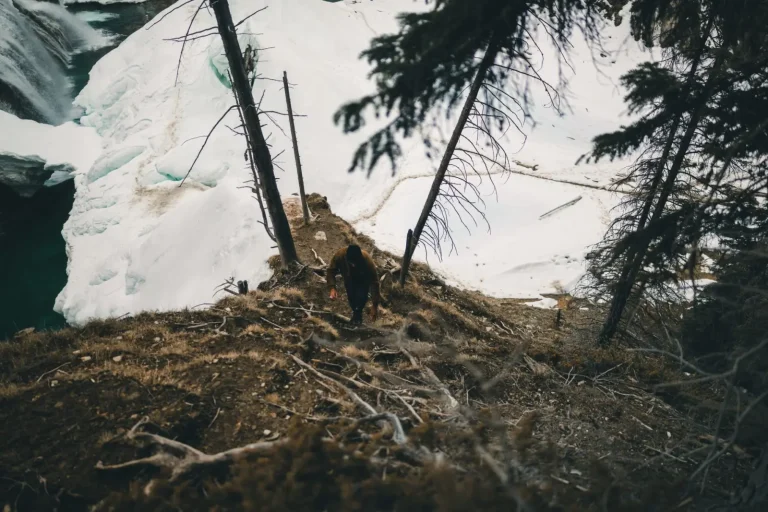
Gardners Falls sits in a landscape that rewards patience more than speed. The forest around it isn’t particularly remote or technically demanding, but it does require you to understand what you’re walking into. After spending considerable time moving through these woods, I’ve noticed that most people arrive with incomplete expectations about distance, elevation change, and how quickly conditions can shift depending on the season and recent weather.
The immediate area around the falls themselves is well-trodden. The main approach is straightforward enough that families with older children manage it without difficulty. But the forest extends well beyond the obvious vantage points, and that’s where the character of the place becomes clearer. The canopy is dense in most sections, which means the ground stays damp even when it hasn’t rained recently. This affects both your footing and how quickly you tire. Roots are common, and they don’t always announce themselves until your boot catches one.
Seasonal Water and Trail Conditions
Water volume at the falls varies dramatically across the year. Spring runoff typically peaks in April and May, depending on snowmelt timing in the higher elevations. At that point, the falls are genuinely impressive, and the roar is audible from a distance. The spray reaches farther than you’d expect, so any vantage point near the base gets genuinely wet. I’ve seen people arrive in light jackets in May and regret it within minutes.
By mid-summer, the volume drops noticeably. The falls don’t disappear, but they lose that overwhelming presence. The advantage is that the mist zone shrinks, so you can get closer to the base without soaking your gear. Late summer and early fall often represent the sweet spot for comfortable exploration – the water is still flowing steadily, the temperature is reasonable, and the trail isn’t muddy.
Winter changes everything. The falls don’t freeze solid in most years, but ice builds up on the rocks around them, and the approach becomes genuinely hazardous. I’ve watched people attempt it in January and February, and it’s not worth the risk unless you have serious winter hiking experience and appropriate footwear. The trail itself becomes a mud and ice mixture that’s treacherous even for experienced hikers.
Understanding the Terrain Beyond the Main Falls
Most visitors stop at the primary viewpoint and call it done. The broader forest network, though, offers several options depending on how much time and energy you have. There’s a secondary trail that follows the creek upstream for about two miles. It’s not marked with the same consistency as the main approach, and it requires attention to cairns and occasional blazes. The grade is gentle, but the footing is uneven, and you’re regularly stepping over or around fallen logs.
This upstream section is where the forest character changes. The canopy opens slightly, and you start seeing different understory plants. The creek itself is visible in segments, and in summer, it’s cool enough that you notice the temperature drop as you move closer to the water. The trail also gets quieter – fewer people venture this far, so you lose the ambient noise of other hikers.
There’s a third option that branches off to the east, climbing gradually away from the creek toward a ridge. This path is rougher and less obvious. It’s easy to lose the thread if you’re not paying attention, particularly where deadfall has accumulated. The payoff is a vantage point that offers a different perspective on the valley, and on clear days, you can see into the next drainage system. Most people don’t make it this far, which means you’re likely to have it to yourself.
Practical Realities of Movement and Timing
Distance and time estimates for this forest are often misleading. A two-mile hike in this terrain typically takes longer than the same distance on a maintained trail elsewhere. The uneven footing, the need to navigate around obstacles, and the mental engagement required to stay on route all slow your pace. I’ve seen people who are fit and experienced still take twice the time they initially expected.
Fatigue also accumulates differently in dense forest. You’re not gaining significant elevation, but you’re constantly engaged with the terrain. Your legs work steadily, your attention doesn’t drift, and by the end of a few hours, you feel it in a way that’s distinct from climbing. Bring more water than you think you’ll need. The forest doesn’t feel hot until you’re already thirsty, and the creek water, while flowing, requires judgment about whether you want to drink from it.
Daylight matters more here than in open terrain. The canopy filters light significantly, so the forest gets dim earlier than you’d expect. If you’re planning to explore the upstream section or the eastern ridge, start early enough that you have a solid two hours of good light remaining when you turn around. I’ve watched people misjudge this and end up doing the last mile in near-darkness, which is neither pleasant nor safe.
What to Carry and What to Leave Behind
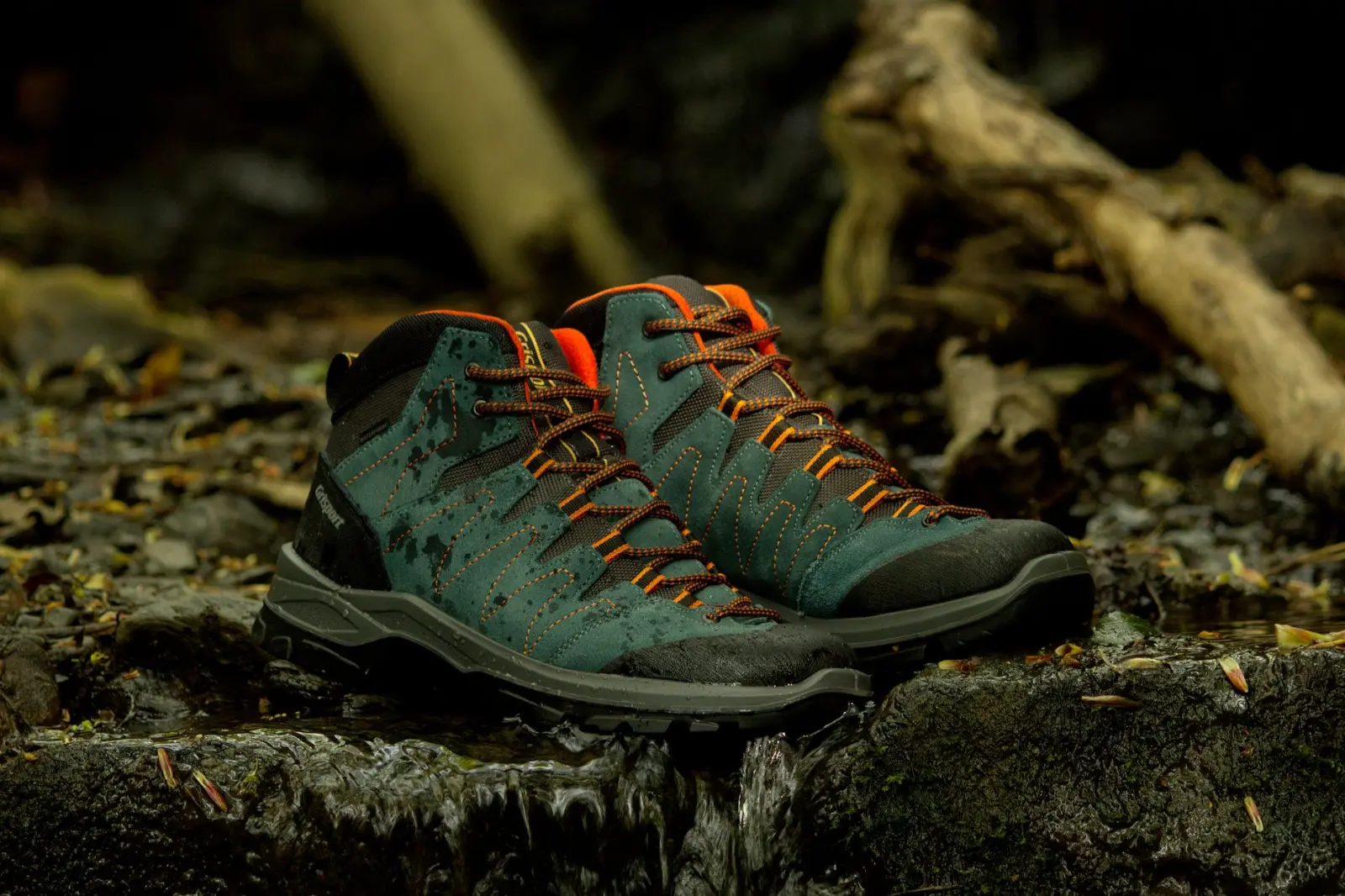
The standard hiking pack works fine, but the forest’s dampness means moisture management matters. A rain jacket is practical even if the forecast looks clear – the canopy doesn’t provide much shelter, and mist from the falls can drift farther than expected. Sturdy boots or trail shoes with good ankle support are worth the weight. The uneven ground rewards footwear that keeps your ankle stable.
A basic map or GPS unit is useful, particularly if you’re venturing beyond the main falls area. Cell service is spotty to nonexistent in most of the forest, so you can’t rely on your phone for navigation. Trekking poles aren’t essential, but many people find them helpful on the descent, particularly if the ground is wet. They reduce the impact on your knees and give you a third point of contact when footing is uncertain.
Leave the heavy camera gear at home unless you’re genuinely committed to it. The moisture and the constant need to navigate obstacles make it more of a burden than an asset. A phone camera captures the scale and mood of the place adequately, and you’ll actually enjoy the experience more if you’re not managing equipment.
The forest around Gardners Falls isn’t a destination that demands extensive preparation or specialized skills. What it does require is realistic expectations about what the terrain will feel like, how long things will take, and how the seasons reshape the experience. Most people who spend time here come back, not because it’s dramatic, but because there’s something steady and absorbing about moving through that landscape. The falls themselves are the obvious draw, but the forest has its own rhythm once you learn to move within it.