A Queensland rainforest road trip sounds straightforward until you’re actually driving it. The distance between Brisbane and Cairns is substantial, and the rainforest pockets that break up the journey aren’t evenly distributed. Most people underestimate how long it takes to move between stops, especially once you factor in fuel, food, and the mental fatigue of highway driving. I’ve done this drive several times now, and the stops that feel worthwhile are rarely the ones that appear most prominent on maps.
The Daintree Rainforest near Cairns gets all the attention, but if you’re driving from the south, you’ll encounter several rainforest areas much earlier that deserve actual time rather than a quick photo stop. The issue is knowing which ones justify breaking your journey and which ones you can safely skip without missing anything significant.
Lamington National Park and the Gold Coast Hinterland
If you’re starting from Brisbane, Lamington sits within reasonable distance and offers genuine rainforest immersion without requiring a major detour. The drive from Brisbane takes about ninety minutes, which means it works as either an early stop or a place to spend a night if you’re not pushing hard on day one. Most people treat it as a quick break, and that’s where the experience falls flat. A thirty-minute walk around the rim or a brief waterfall visit doesn’t capture what makes this place worth stopping for.
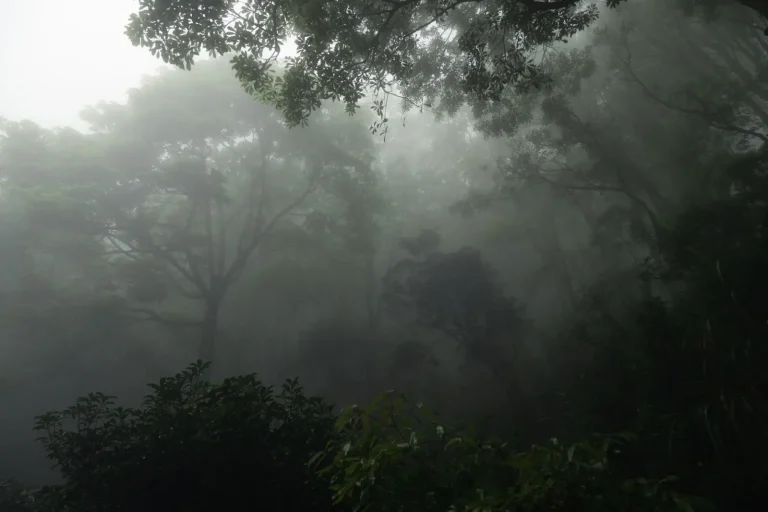
The real value in Lamington appears when you commit to at least a three-hour window. The subtropical rainforest here is dense and genuinely different from what you’ll see further north. The walking tracks are well-maintained, and the air quality shifts noticeably once you’re beneath the canopy. Accommodation exists at O’Reilly’s Rainforest Retreat if you want to stay overnight, though it’s expensive and books ahead. Most road trippers skip the stay and just walk, which is fine, but rushing through means you’ll miss the quieter sections where the forest actually feels like a forest rather than a tourist zone.
Kondalilla Falls and the Sunshine Coast Hinterland
Between the Gold Coast and the Sunshine Coast, Kondalilla National Park sits in a pocket that many drivers miss entirely because it doesn’t sit directly on the main highway. It’s worth the fifteen-minute detour. The falls themselves are modest by tropical standards, but the walk down and back up takes about forty-five minutes and passes through rainforest that feels genuinely untouched. The water is cold enough to be refreshing if you’re driving in warm weather, and the pool at the base is deep enough for a proper swim rather than a wade.
The parking area fills up on weekends, particularly during school holidays. If you’re traveling then, either go early or accept that you’ll be sharing the space with families. The walk is straightforward enough that it doesn’t require any particular fitness level, which means it’s genuinely accessible without being trivial.
Ravenshoe and the Atherton Tablelands
Once you’re north of Gympie, the landscape shifts. Ravenshoe sits on the Atherton Tablelands, and while it’s not purely a rainforest destination, the surrounding area contains pockets of wet tropical forest that feel different from the subtropical rainforest further south. The town itself is small and functional rather than charming, but it serves as a reasonable overnight stop if you’re breaking the drive into manageable chunks.
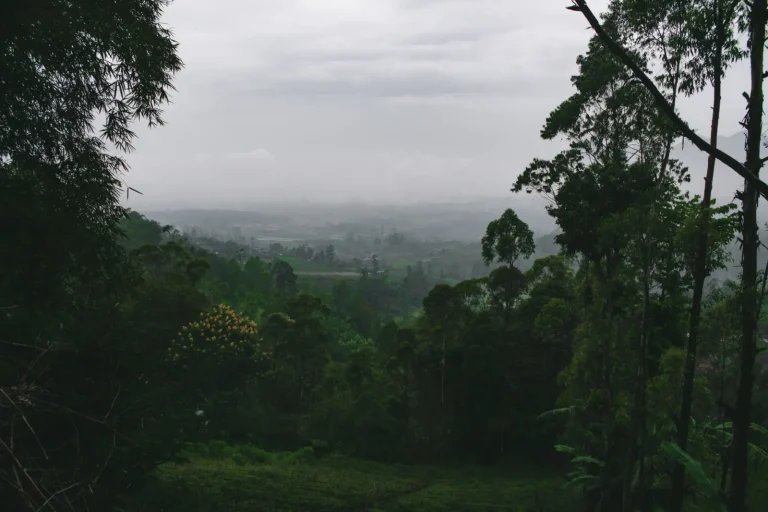
The advantage of stopping here is that you’re positioned well for exploring the tablelands themselves. Millaa Millaa Falls is nearby and worth seeing, though again, it’s a quick visit rather than a long immersion. The tablelands have a particular quality in late afternoon light that photographs well but also just feels pleasant to drive through. The elevation means the air is noticeably cooler, which provides a genuine break from the heat you’ve been driving through since Brisbane.
Mossman Gorge and the Approach to Daintree
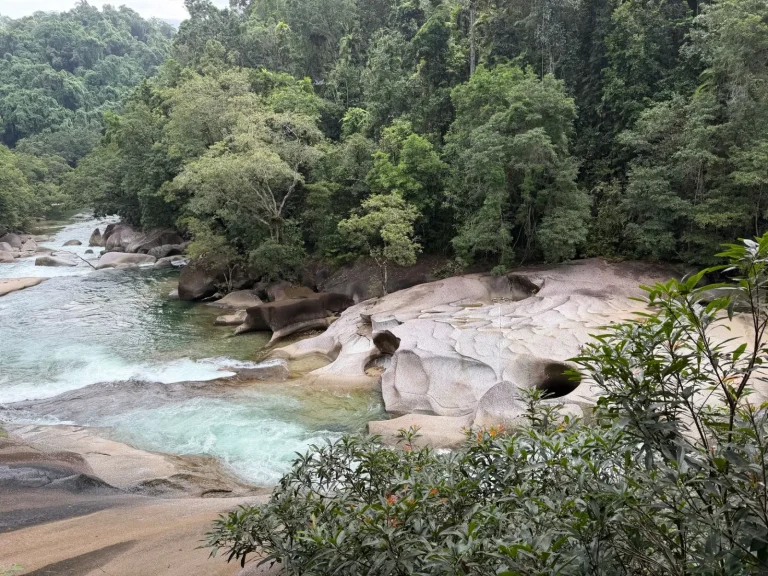
Mossman Gorge sits just before the Daintree River crossing and represents a more accessible entry point to the far north rainforest than pushing all the way into Daintree National Park itself. The gorge walk is short, around an hour, and the water is swimmable if you’re willing to accept that it’s cold. The rainforest here is genuinely ancient-feeling, and the density of vegetation is noticeably greater than anything you’ve seen driving south.
The parking and facilities are well-organized, which means it doesn’t have the slightly chaotic feel of some other popular stops. You can also access Indigenous-guided experiences here if that interests you, though these need to be booked in advance. For a road tripper who’s already been driving for several days, Mossman offers a legitimate immersion without requiring a major time commitment or backtracking.
The Daintree Itself
The Daintree Rainforest is genuinely old, and that’s worth acknowledging, but it’s also genuinely crowded and genuinely expensive to access properly. The river crossing itself is an experience, but it’s a ten-minute experience, and the novelty wears off quickly. The walking tracks within the national park are good, but they’re also well-trodden and often filled with tour groups.
If you’re going to spend time in Daintree, do it early in the morning before the tour buses arrive, or accept that you’re sharing the space. The Daintree Discovery Centre provides context about the rainforest ecosystem, and it’s worth an hour if you want to understand what you’re looking at rather than just looking at it. The cost is reasonable for what you get.
What Actually Matters on This Drive
The pattern I’ve noticed after multiple trips is that the quality of a rainforest stop depends entirely on how much time you’re willing to spend. Thirty minutes at any of these places yields a photo and a vague sense of having been in a rainforest. Two to three hours yields actual memory and a genuine sense of what these ecosystems are like. Most road trippers are trying to cover distance, so they default to the quick stop, which means they experience rainforest as a series of Instagram moments rather than as actual places.
Fatigue also plays a role that’s rarely discussed. By day three or four of a road trip, your tolerance for driving is lower, and your appreciation for a proper break is higher. A rainforest stop that feels rushed on day one might feel perfect on day four. Knowing this means planning your stops strategically rather than geographically. If you’re tired, spend real time in one place. If you’re fresh, it’s fine to move through quickly.
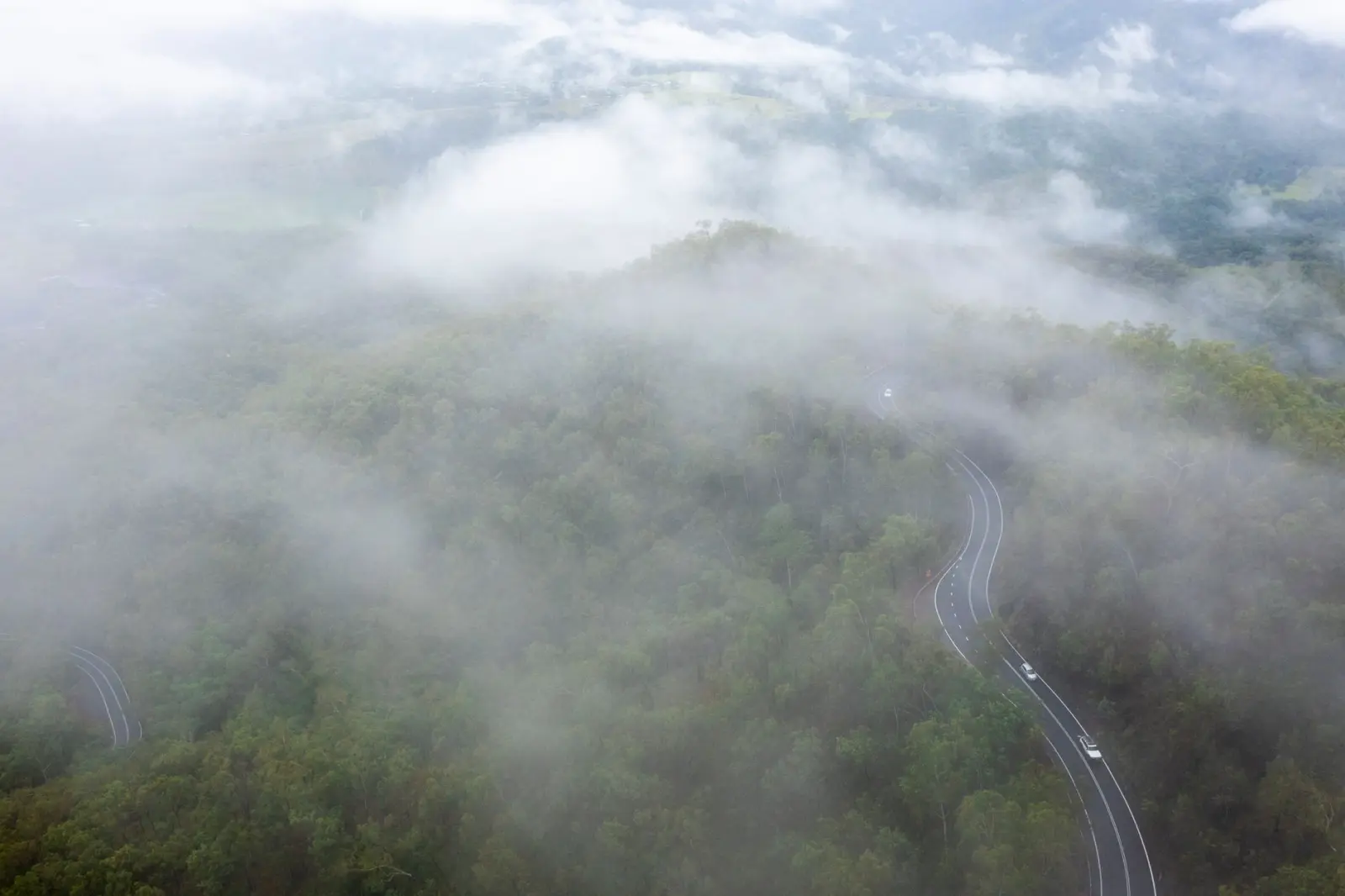
The drive itself between stops is also part of the experience. The landscape changes gradually as you move north, and paying attention to those changes matters more than hitting a specific checklist of destinations. The rainforest stops are valuable precisely because they interrupt the highway monotony and provide a genuine shift in environment. Treating them as destinations rather than breaks misses the point of why you’re stopping at all.