
After spending time in both tropical and subtropical rainforests across different continents, the differences become obvious once you’re actually moving through them. They’re not just variations on the same theme. The shift from tropical to subtropical represents a meaningful ecological transition that affects everything from the density of the canopy overhead to the types of animals you encounter and how the forest responds to seasonal change.
The most immediate distinction is temperature stability. Tropical rainforests sit within roughly 20 degrees north and south of the equator, where temperatures remain consistently warm year-round. You’re looking at average annual temperatures between 20°C and 25°C, with minimal seasonal fluctuation. Subtropical rainforests occur between roughly 25 and 35 degrees latitude, where winters become noticeably cooler. This isn’t a subtle shift. In subtropical regions, winter temperatures can drop to 5°C or even below freezing in some areas, while summers reach 25°C or higher. That seasonal temperature swing changes how the forest functions at a fundamental level.
Rainfall and Water Availability
Tropical rainforests receive substantial rainfall throughout the year, typically 2,000 to 10,000 millimeters annually, and this precipitation is distributed relatively evenly across months. There’s no real dry season in the true sense. The forest operates under constant moisture. Subtropical rainforests also receive significant rainfall – usually 1,500 to 3,000 millimeters per year – but the distribution becomes more seasonal. You get wetter months and drier months. In subtropical regions like parts of southern Brazil or eastern Australia, there’s a genuine dry season where rainfall drops noticeably, sometimes lasting several months. The soil doesn’t stay perpetually saturated the way it does in tropical areas.
This difference in water availability cascades through the entire ecosystem. In tropical rainforests, plants don’t need to adapt to drought because it essentially doesn’t happen. In subtropical rainforests, vegetation has to manage periods of reduced water availability. You’ll notice subtropical rainforests have a higher proportion of deciduous trees – species that shed leaves during the dry season to conserve water. Tropical rainforests are predominantly evergreen. Walk through a subtropical rainforest in winter or during a dry period, and you’ll see gaps in the canopy that simply don’t exist in tropical forests.
Canopy Structure and Light
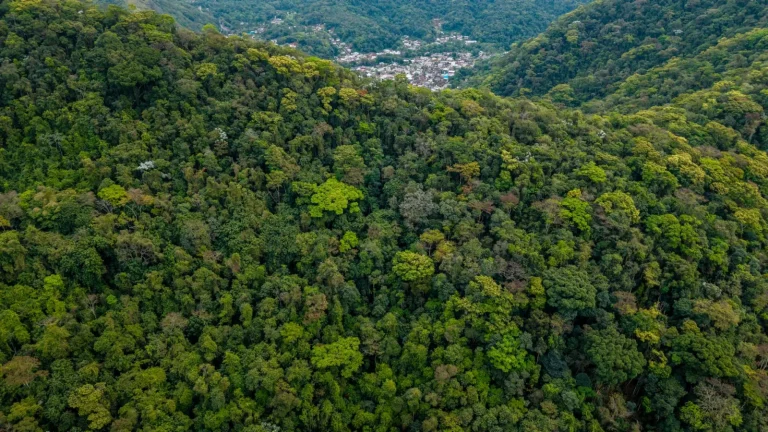
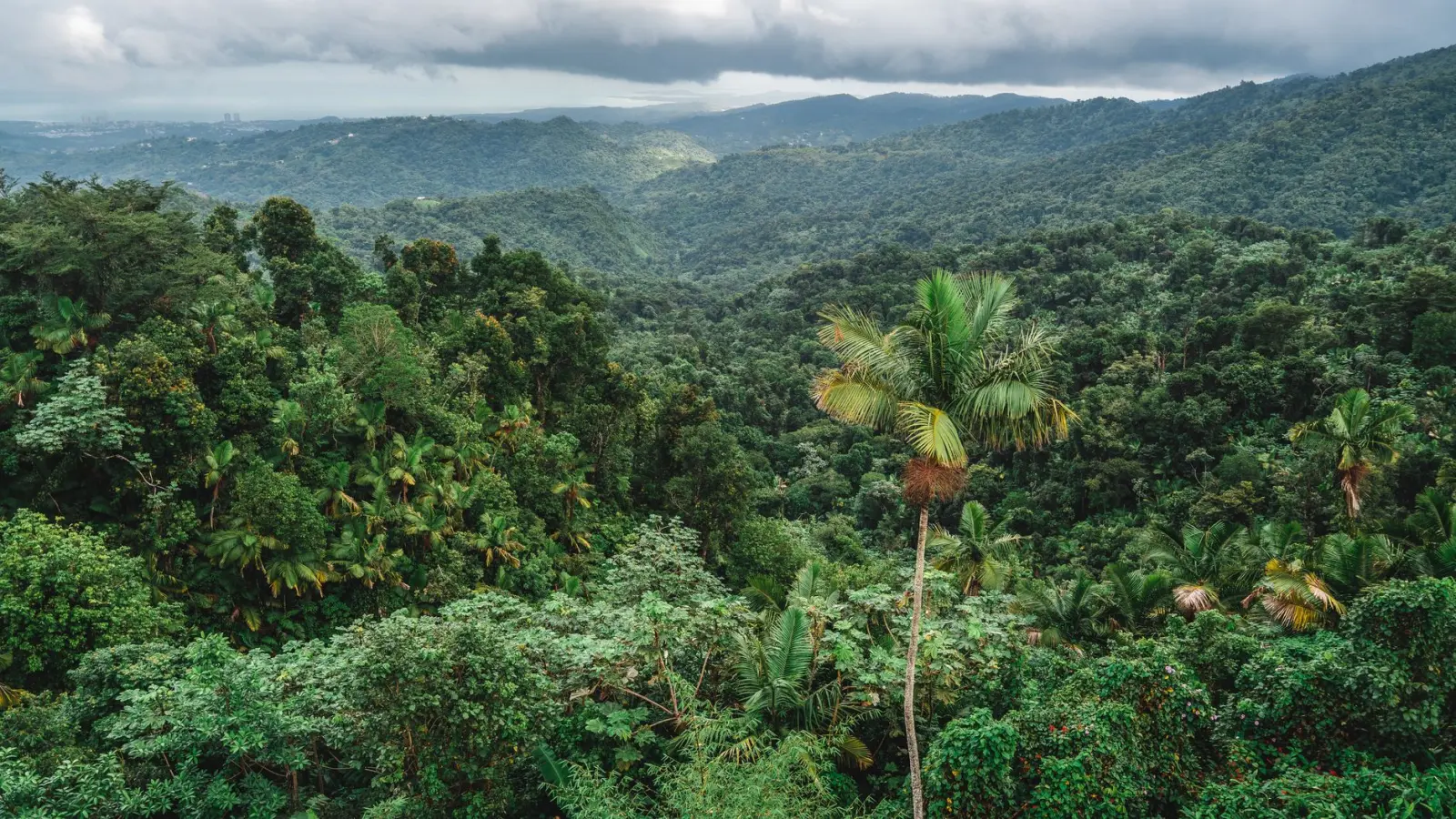
The physical architecture of the two forest types differs noticeably. Tropical rainforests develop multiple distinct canopy layers – often four or five strata from the forest floor to the emergent layer. This layering happens because the year-round warmth and moisture support continuous growth and competition for light. The canopy is incredibly dense and complex. Subtropical rainforests also have multiple layers, but they’re less pronounced and less densely packed. Light penetration is greater. The understory in a subtropical rainforest tends to be more open and walkable, whereas tropical rainforest understory is often choked with vegetation, vines, and fallen debris.
This structural difference has practical implications. In tropical rainforests, the sheer density of vegetation means visibility is limited, movement is slower, and the air feels heavier and more humid. In subtropical rainforests, you can move more easily, see farther ahead, and the atmosphere feels less oppressive. The difference becomes especially apparent in winter or dry seasons in subtropical regions, when deciduous trees have lost their leaves.
Biodiversity and Species Composition
Tropical rainforests are the biodiversity champions. The constant warmth and moisture support an extraordinary number of species. A single hectare of tropical rainforest can contain hundreds of tree species, thousands of insect species, and countless other organisms. Subtropical rainforests are biodiverse, certainly, but less so. They typically support fewer species overall, and the species present tend to be more cold-tolerant and drought-resistant varieties. You’ll see different plant families dominating. Tropical rainforests are heavy on palms, figs, and other heat-loving species. Subtropical rainforests often feature more temperate-adapted trees like southern beeches, laurels, and conifers mixed in with tropical elements.
The animal communities reflect this shift too. Tropical rainforests support an almost bewildering array of species, many found nowhere else. Subtropical rainforests have lower species diversity, but some of the remaining species are larger and more conspicuous. You’re more likely to encounter larger mammals in subtropical rainforests partly because the forest structure is more open and partly because there’s less intense competition for resources among predators.
Soil and Nutrient Cycling
Tropical rainforest soils are often surprisingly poor in nutrients despite the lush vegetation above. The constant warmth and moisture accelerate decomposition, so organic matter breaks down rapidly and nutrients are quickly absorbed by living plants or leached away by heavy rainfall. The soil itself tends to be acidic and heavily weathered. Subtropical rainforest soils, particularly in regions with seasonal variation, tend to retain nutrients more effectively. The slower decomposition rate during cooler months means organic matter accumulates. Soils are often richer and more stable.
This has real consequences for the forest’s resilience and productivity. Tropical rainforests appear incredibly productive, but much of that productivity is locked up in living biomass. Remove the vegetation and you’re left with relatively infertile soil. Subtropical rainforests, with their more nutrient-rich soils, can recover more readily from disturbance and support different types of human use.
The transition between tropical and subtropical rainforest isn’t sharp – there are gradual zones where characteristics blend. But once you’ve experienced both, the differences are unmistakable. The tropical rainforest is a high-energy, year-round system operating at constant intensity. The subtropical rainforest is more measured, with seasonal rhythms that create different growth patterns, different species assemblages, and a fundamentally different feel underfoot and overhead. Understanding these differences matters if you’re trying to manage these forests, restore them, or simply understand why they function the way they do.