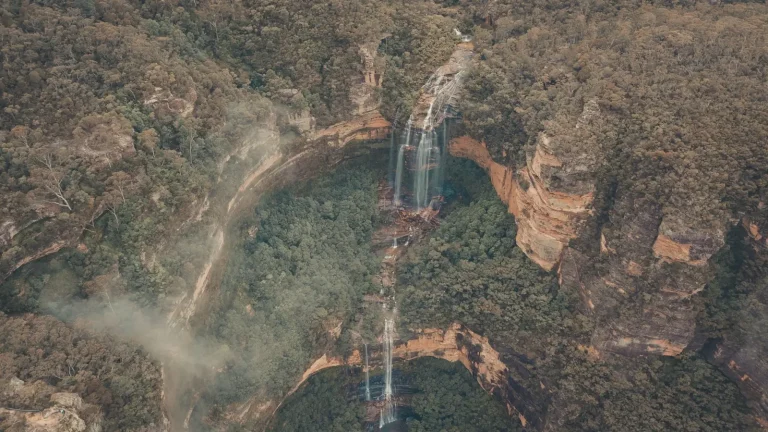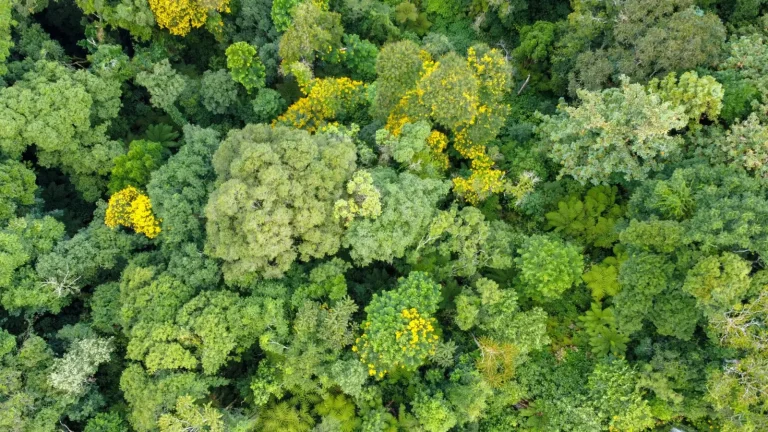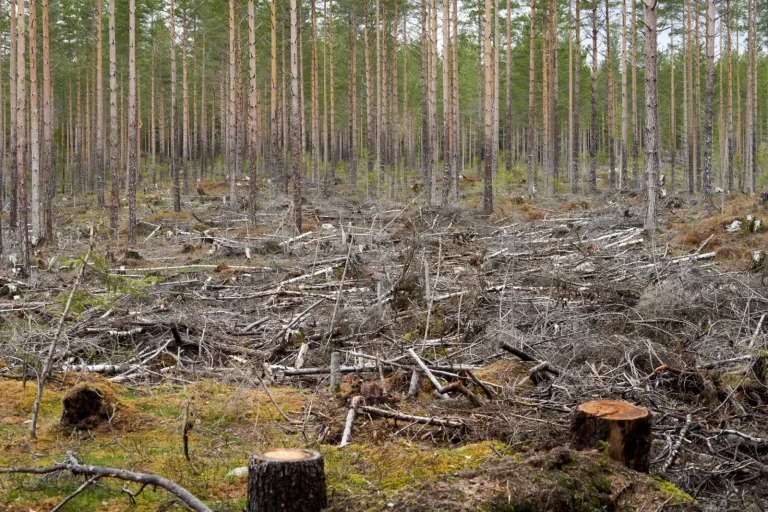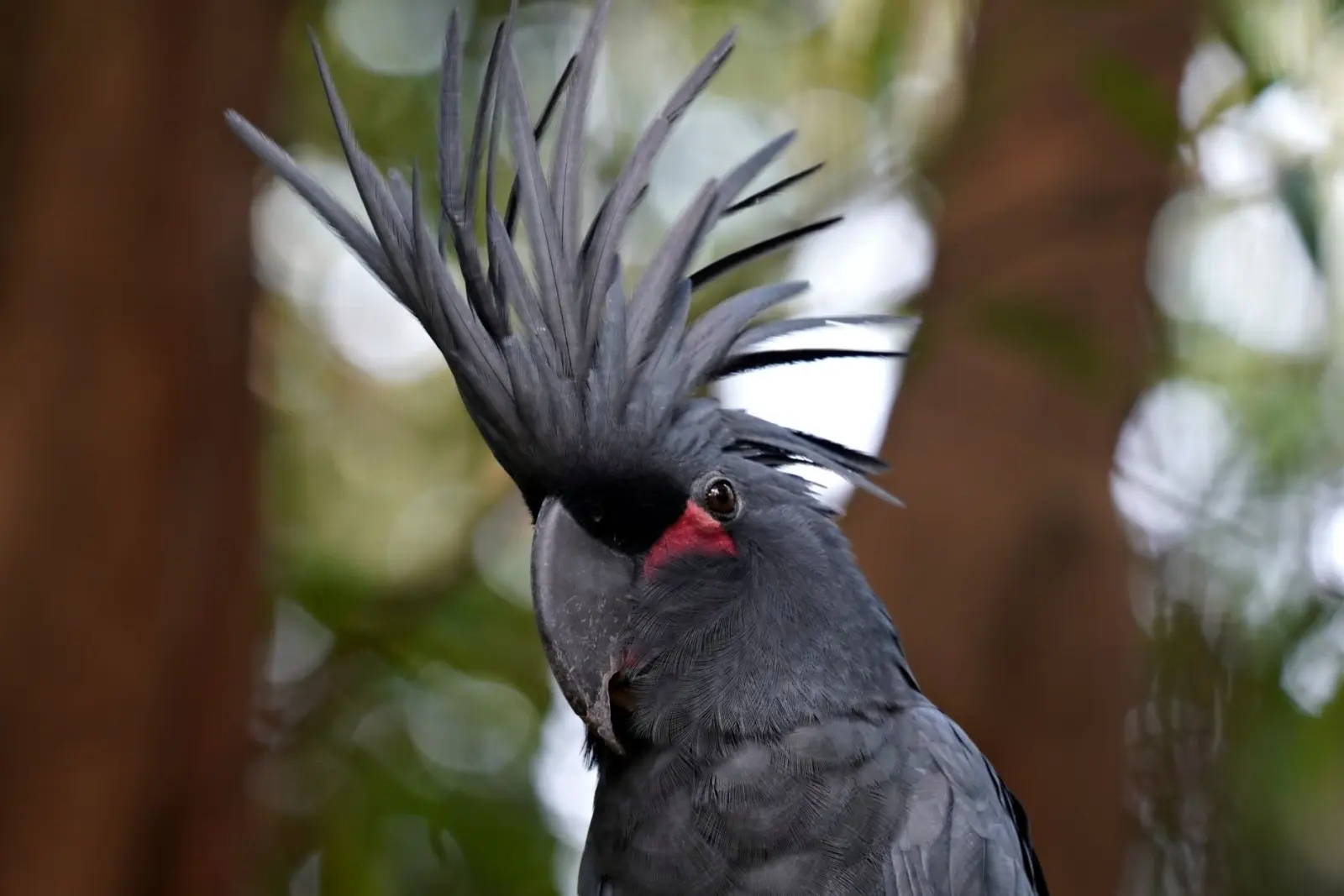
Fragmented rainforest doesn’t function like intact forest. I’ve walked through enough degraded landscapes to recognize the pattern immediately – patches of remaining canopy separated by agricultural land, roads, or cleared areas create isolated islands where wildlife becomes trapped and genetic diversity narrows. The animals and plants that need large territories or seasonal migration routes face dead ends. Trees that depend on specific pollinators or seed dispersers find their partners gone. What looks like forest on a map is often a collection of disconnected remnants, each one slowly losing resilience.
Restoration work aimed at reconnecting these fragments operates on a different timeline and scale than most people expect. It’s not about planting trees and waiting for nature to bounce back. The real work involves understanding where connections matter most, which species are critical to reestablishing function, and how to create pathways that actually get used by the animals and organisms that need them. I’ve seen projects fail because they planted in the wrong places or chose species that didn’t address the actual bottlenecks preventing movement.
Why Fragmentation Breaks Ecological Function
When rainforest gets cut into pieces, the damage extends far beyond the obvious loss of area. A jaguar or harpy eagle needs a territory measured in thousands of hectares. Smaller mammals that move through the canopy can’t cross open ground. Seed-dispersing birds and bats won’t venture into areas without continuous cover. The forest floor itself changes – humidity drops, temperature fluctuates more, and the microclimate that supports countless insects and fungi destabilizes.
I’ve observed this most clearly in Central America, where cattle pasture and small-scale agriculture carved up what was once continuous forest. The remaining patches still had trees, still had wildlife, but the populations were stressed. Genetic isolation became visible over time as certain species showed reduced vigor or reproductive success. Invasive species moved more easily through the fragmented landscape. The ecosystem’s capacity to recover from drought, disease, or other disturbance diminished noticeably.
Identifying and Building Corridors
Corridor restoration starts with mapping – understanding which pieces of forest remain and which routes between them are most feasible. This isn’t always obvious. A narrow strip of riparian forest along a river might seem like a natural corridor, but if the canopy is too thin or the understory too open, animals won’t use it. I’ve walked through many “corridors on paper” that animals actively avoided because the habitat quality was too poor or the path didn’t align with actual movement patterns.
The most effective corridors I’ve seen weren’t necessarily the straightest lines or the largest tracts. They were routes that connected to existing forest in ways that matched how specific species actually move. This required understanding local wildlife behavior – where jaguars hunt, which routes tapirs follow, how monkeys navigate between food sources. In one project in the Amazon, we discovered that a seemingly poor connection between forest patches was heavily used by harpy eagles because it provided the open space they needed for takeoff and landing. Assumptions about what “should” work often miss these details.
Width matters, but not in a simple way. A corridor that’s twenty meters wide provides better protection from edge effects than one that’s five meters, but a hundred-meter corridor isn’t twice as useful as a fifty-meter one if the fifty-meter version is positioned correctly. The goal is to create enough continuity that animals don’t experience the crossing as risky or uncomfortable. This varies by species and landscape. In some cases, stepping stones of smaller forest patches connected by vegetation can work better than a single continuous strip.
Replanting Strategy and Species Selection
Choosing what to plant in a restoration corridor isn’t about picking the fastest-growing or most common species. I’ve seen projects fail because they planted monocultures of fast-growing pioneer trees that created dense, uniform stands with little understory structure. Wildlife needs complexity – multiple canopy layers, gaps, varied fruit and seed availability throughout the year. A corridor filled with one species might provide cover but little food or shelter.
The most functional restorations I’ve worked with used a mixed approach. Early-stage pioneer species provide quick cover and improve soil conditions, but they’re gradually supplemented with mid-story trees and slower-growing canopy species. This creates structural diversity that mimics natural forest development. The timing of planting matters too. Planting during the dry season often fails because seedlings can’t establish. Wet season planting requires protection from flooding or waterlogging. Local phenology – understanding when seeds are available and when conditions are optimal – shapes what gets planted when.
Native species selection depends on what the corridor is meant to support. If the goal is to reconnect populations of a specific bird or mammal, you prioritize plants that species depends on. If it’s about general habitat connectivity, you want diversity that attracts a broad range of wildlife. I’ve found that talking to local people who’ve lived in the area for decades often reveals which species were historically abundant and which plants they remember being important. This local knowledge has prevented many mistakes.
The Reality of Long-Term Maintenance
Planting is the beginning, not the end. A restored corridor needs protection from clearing, grazing, and conversion. I’ve walked through projects where initial planting succeeded but then cattle were allowed to graze, or fires swept through, or local pressure to clear land for agriculture resumed. Without ongoing management, restoration reverts quickly.
Monitoring tells you whether the corridor is actually functioning. Are animals using it? Are populations in the connected fragments increasing? Is genetic diversity improving? These questions take years to answer. I’ve seen projects declare success after three years based on tree survival rates, only to find that wildlife wasn’t actually using the corridor because some critical element was missing – perhaps the canopy wasn’t closed enough, or a key food plant wasn’t present, or the corridor didn’t connect to where animals actually needed to go.
Successful reconnection requires accepting that restoration is adaptive. You plant, you observe, you adjust. If animals aren’t using a corridor, you need to understand why and modify your approach. This might mean adding more understory vegetation, changing species composition, or even relocating portions of the corridor. The most effective projects I’ve seen treated restoration as an ongoing conversation with the landscape rather than a fixed plan to execute.
Fragmented rainforest can be healed, but it requires patience, local engagement, and a willingness to work at the scale the ecosystem actually needs. The goal isn’t to restore forest to some historical ideal, but to create enough connectivity that the remaining patches can function as part of a larger system. When that happens – when you see wildlife moving between fragments, when populations stabilize, when genetic diversity begins to recover – the work becomes tangible in ways that monitoring data alone can’t capture.