The lowland subtropical rainforests of New South Wales sit in a peculiar ecological position. They’re not the lush, densely packed tropical systems further north in Queensland, nor are they the cool temperate forests that dominate Tasmania and Victoria. What exists along the NSW coast and ranges is something altogether different – a system shaped by specific rainfall patterns, seasonal variation, and a long history of human disturbance that has fundamentally altered what we see today.
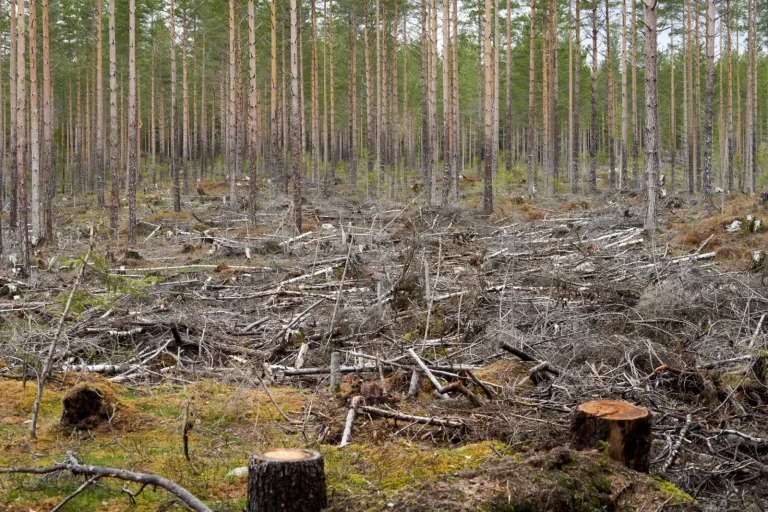
Having spent considerable time moving through these forests, the first thing that strikes you is how fragmented they’ve become. What were once continuous stretches of rainforest now exist as pockets, often separated by cleared land, agricultural zones, or urban sprawl. The largest remaining areas cluster around the far north coast near the Queensland border, with smaller but significant patches scattered through the ranges inland. This fragmentation isn’t merely a historical artifact – it actively shapes how these forests function, how animals move through them, and what you’ll actually encounter when you visit.
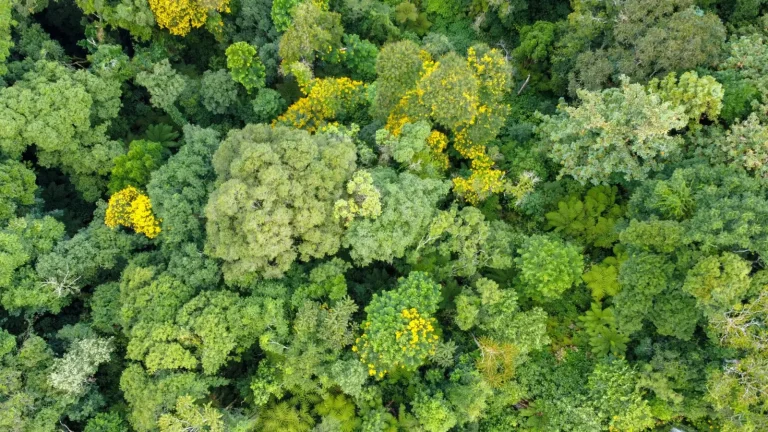
The vegetation structure in these lowland subtropical systems differs markedly from what most people imagine when they think of rainforest. The canopy isn’t uniformly tall or dense. Instead, you find a layered mosaic where emergent trees push above a mid-story of smaller species, with an understory that varies considerably depending on disturbance history and soil type. In areas that have recovered from logging or clearing, the understory can be nearly impenetrable – a tangle of vines, saplings, and shrubs that makes walking off-trail genuinely difficult. In older, less disturbed sections, the forest floor opens up considerably, with larger trees spaced further apart and a carpet of leaf litter and ferns rather than dense brush.
Moisture, Seasonality, and What You Actually Experience
The subtropical classification exists because these forests receive rainfall year-round, but not uniformly. Summer months bring heavier precipitation, often concentrated in intense events rather than steady drizzle. Winter is drier, though still wet by most standards. This rhythm creates a forest that never truly goes dormant but does shift its character seasonally. In late spring and summer, the humidity becomes oppressive – not because of rainfall necessarily, but because the air simply holds moisture. Walking through the forest at midday in January or February feels like moving through a living, breathing entity. Your clothes dampen within minutes regardless of weather.
Winter visits, by contrast, feel almost refreshing. The forest is still wet, but the air moves more freely, and the reduced heat makes sustained walking more feasible. This matters practically. If you’re planning to spend significant time in these forests – whether for research, photography, or extended exploration – the season you choose shapes not just comfort but what you can actually accomplish. Summer heat and humidity limit productive hours. Winter extends them substantially.
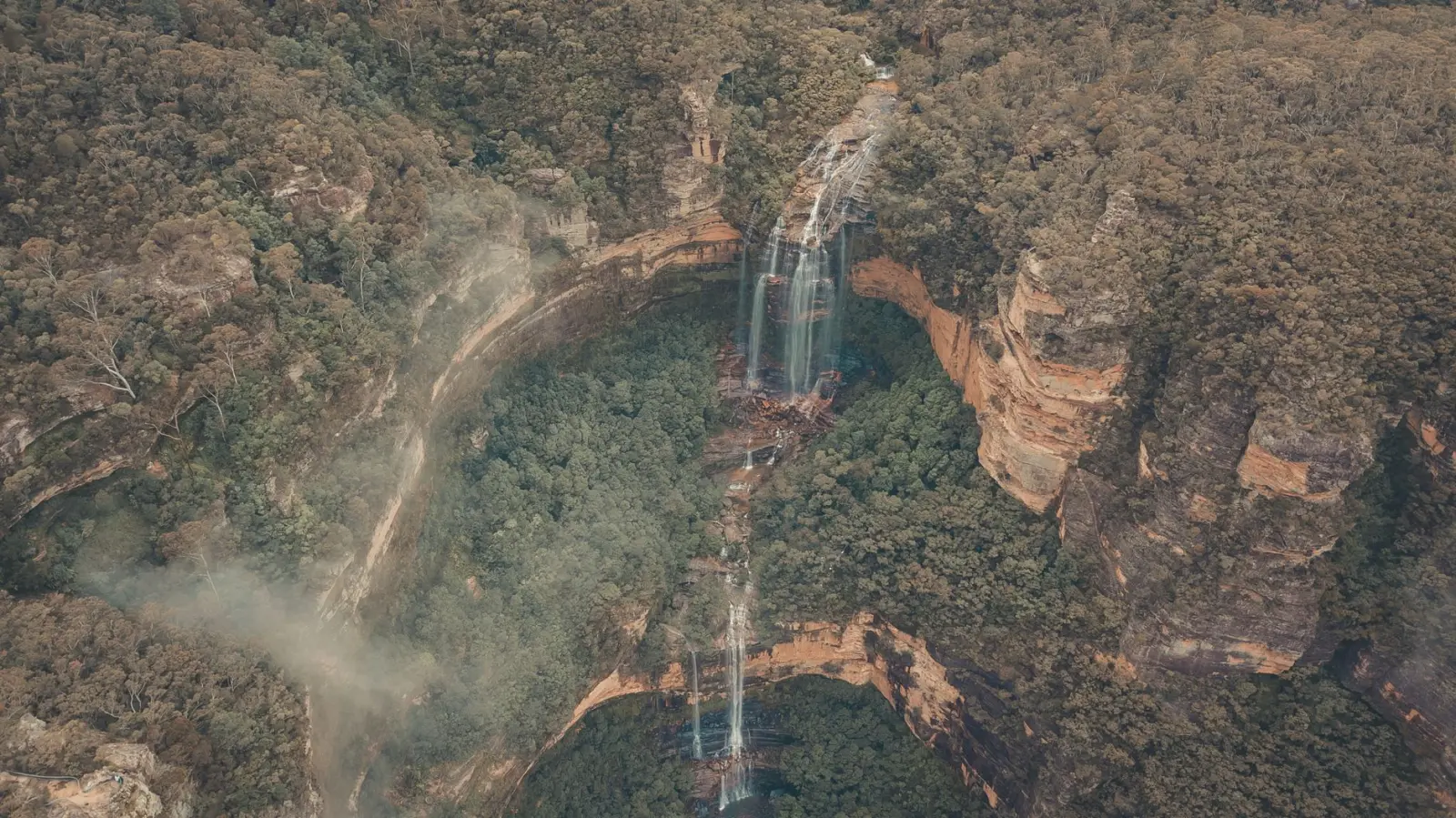
The soil in lowland subtropical rainforests tends to be deep and acidic, often with a high organic content. This supports the characteristic vegetation but also means the forest floor can be deceptive. What looks solid might be largely decomposed wood and leaf matter. Streams, which are numerous in these forests, can appear and disappear rapidly depending on recent rainfall. In dry periods, what was a flowing creek becomes a series of pools. After heavy rain, the same creek becomes a substantial torrent capable of cutting off access routes and making crossing genuinely hazardous.
The Animals You’ll Encounter – and Mostly Won’t
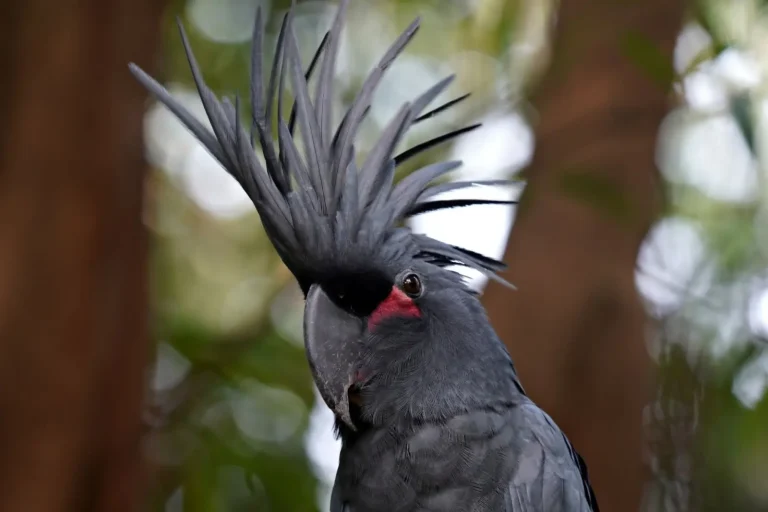
Large fauna in these forests are surprisingly sparse compared to what the forest’s productivity might suggest. You won’t encounter jaguars or tapirs as you might in Central or South American rainforests. Instead, the megafauna consists of animals like the powerful owl, various possum species, and occasionally wallabies. The most commonly encountered animals are actually small – birds, insects, and arboreal mammals that you’ll hear far more often than see. The soundscape of these forests is genuinely distinctive: the calls of whipbirds, the movement of brush turkeys through leaf litter, the constant hum of insects.
Larger animals like the koala and various macropods exist in these forests but are not abundant. You can spend days walking through suitable habitat and see nothing larger than a possum. This isn’t because the animals aren’t there – it’s because the forest is dense enough and the animal populations fragmented enough that encounters are genuinely rare. The fragmentation of habitat has hit larger species particularly hard. Animals that need substantial home ranges find themselves confined to isolated patches, which affects breeding, genetic diversity, and long-term viability.
Access and the Reality of Movement
Getting into these forests and moving through them requires realistic expectations about pace and difficulty. Established trails exist in some areas, particularly near national parks and popular destinations. These trails are generally well-maintained but can deteriorate rapidly after heavy rain. Mud isn’t merely an inconvenience – it can genuinely slow progress to a crawl. A walk that might take two hours in dry conditions can stretch to four or five hours when the ground is saturated.
Off-trail movement is possible but demands genuine skill and fitness. The combination of steep terrain, dense understory vegetation, and slippery surfaces means progress is slow and energy expenditure high. Fatigue becomes a real consideration when you’re navigating by compass or GPS through forest where visibility is often limited to a few meters. Many people significantly underestimate the physical demands of rainforest travel, particularly in subtropical systems where the vegetation is dense but not uniform enough to follow natural corridors.
Water access isn’t typically a problem in these forests – streams are common – but water quality requires consideration. The tannins from decomposing vegetation stain water brown and can cause digestive upset in people unaccustomed to it. Treatment is advisable, though many experienced travelers in these forests drink untreated water without issue. This is one of those situations where individual tolerance and risk assessment matter more than absolute rules.
What These Forests Are Actually Used For
Beyond recreation and research, these lowland subtropical rainforests serve functions that are often invisible to casual visitors. They’re repositories of plant species with potential pharmaceutical applications. They filter water moving through the landscape. They store carbon. They provide habitat for species found nowhere else. But they’re also actively managed for timber in some areas, which creates a complex landscape where conservation and extraction coexist in ways that aren’t always apparent from the ground.
The forests you see today are also actively recovering from historical clearing and logging. In many areas, what looks like pristine rainforest is actually secondary growth – forest that has regenerated over the past 50 to 100 years. This recovery is genuine and significant, but it also means these forests are still in transition. They’re not stable systems but dynamic ones actively responding to reduced disturbance and changing climate conditions.
Spending time in these forests reveals something that statistics and satellite imagery can’t quite capture: they’re resilient but fragile. Resilient because they continue to grow and regenerate despite significant historical disturbance. Fragile because that fragmentation limits their ability to function as complete ecological systems. The animals that depend on large territories can’t find them. The genetic diversity within plant populations shrinks. The hydrology shifts subtly as forest cover changes. These aren’t catastrophic changes in most cases, but they’re real, measurable, and ongoing. Understanding this complexity – the simultaneous recovery and degradation, the resilience and vulnerability – is essential to understanding what these forests actually are and what they might become.