
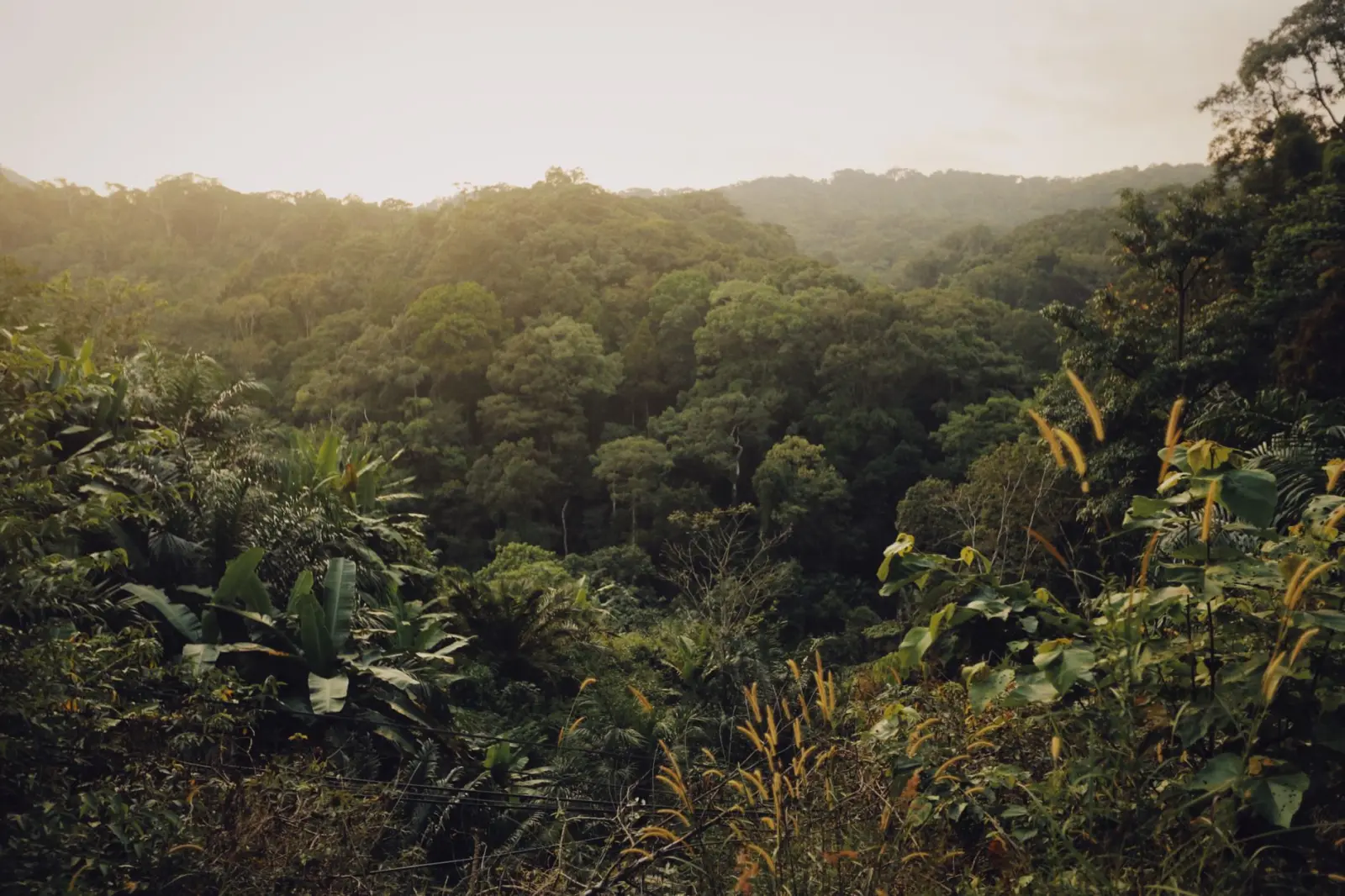
Spend enough time in an Australian rainforest at dusk, and you’ll notice the shift in activity before you see it. The daytime birds settle into the canopy, insects change their patterns, and something else takes over. Bats emerge in waves, moving through the understory with a precision that looks almost choreographed. After years of observing these forests, I’ve come to understand that this transition isn’t just a change of shift – it’s a fundamental restructuring of how the forest operates. The bats that move through these spaces at night are doing far more than hunting or roosting. They’re performing ecological work that, if interrupted, would cascade through the entire system.
Australian rainforests host a diverse array of bat species, each with distinct feeding strategies and habitat preferences. The larger flying foxes – fruit bats with wingspans exceeding a meter – are the most visible and often the most controversial. But the smaller insectivorous bats, many of which are harder to observe and easier to overlook, are equally important. What strikes me most about working in these forests is how little the general public understands about the sheer variety of roles these animals play. Most people think of bats as either fruit-eating pests or mosquito hunters. The reality is far more nuanced and, frankly, far more critical to forest survival.
Seed Dispersal and Forest Regeneration
The flying foxes – particularly species like the black flying fox and the little red flying fox – are among the most effective seed dispersers in the Australian rainforest. I’ve watched these animals move through fruiting trees, consuming vast quantities of fruit and then traveling considerable distances before defecating. The seeds pass through their digestive systems largely intact, and they’re deposited across a wide area. This isn’t incidental to their feeding behavior; it’s a fundamental mechanism by which rainforest seeds reach suitable germination sites.
What’s often misunderstood is that this dispersal pattern is highly selective. Flying foxes don’t eat all fruits equally. They target specific species at specific times of year, which means the forests have evolved fruiting patterns that depend on this predictability. When flying fox populations decline – whether from habitat loss, disease, or culling – certain tree species struggle to regenerate effectively. I’ve seen patches of rainforest where particular canopy species have become increasingly sparse in the younger age classes, a direct result of reduced seed dispersal pressure. The forest doesn’t collapse overnight, but the composition shifts. Over decades, this becomes visible in the structure and diversity of the stand.
Insect Control and Pest Suppression
The smaller bat species – the microbats that roost in caves, tree hollows, and under bark – operate as a largely invisible but highly efficient pest control system. These animals consume enormous quantities of insects each night. A single insectivorous bat can eat up to half its body weight in insects over the course of a few hours of foraging. In a rainforest context, this translates to significant predation pressure on leaf-eating insects, flying insects, and other arthropods that could otherwise reach outbreak densities.
The ecological significance becomes apparent when you consider what happens when microbat populations are reduced. Insect populations can increase, and while some of this is absorbed by other predators – birds, spiders, other arthropods – there’s often a noticeable uptick in leaf damage and defoliation events. I’ve observed this most clearly in forests adjacent to areas where bat habitat has been cleared or where microbat populations have been affected by disease or pesticide use. The forests don’t necessarily look dramatically different at first glance, but closer inspection reveals higher rates of herbivory and, in some cases, stress responses in trees that would otherwise be vigorous.
Pollination and Flowering Plant Relationships
While the fruit-eating bats receive most attention for their role in seed dispersal, some Australian rainforest bats also function as pollinators. Certain bat species visit flowering plants at night, feeding on nectar and pollen. As they move between flowers, they transfer pollen, facilitating reproduction in plant species that have evolved specifically to attract bat visitors. These relationships are often more specialized than the general seed dispersal role, involving particular plant species and particular bat species that have co-evolved over long periods.
The pollination work done by bats is less visible than seed dispersal, and it’s easy to underestimate its importance. But in a rainforest where many plants flower at night or in the early evening – a strategy that makes sense when you have reliable bat pollinators – the loss of these bats represents a genuine reproductive threat to those plant species. I’ve encountered situations where flowering has become less reliable in forests where bat populations have declined, suggesting that pollination services have been compromised. The plants don’t die immediately, but reproductive success drops, and over generations, this matters.
Nutrient Cycling and Forest Productivity
One of the less obvious but genuinely important ecological roles that bats play involves nutrient cycling. Flying foxes and other bats consume fruits and nectar, and they deposit nutrients through their droppings across wide areas of the forest. These droppings are rich in nitrogen and other nutrients that become available to the forest floor, soil organisms, and plants. Over the course of a year, the cumulative nutrient input from a large bat population can be substantial.
In rainforests where bat populations have been reduced, there’s often a corresponding decline in nutrient availability and, in some cases, a visible reduction in forest productivity. This isn’t always dramatic, and it’s not always easy to isolate from other factors, but the pattern is consistent. Forests with healthy bat populations tend to show more vigorous growth and higher diversity of understory vegetation compared to forests where bats have been depleted. The mechanism is straightforward – more nutrients cycling through the system means more resources available for plant growth – but the consequences ripple through the entire food web.
The reality of working with Australian rainforest bats is that their ecological roles are deeply interconnected. Lose the seed dispersers, and forest composition changes. Lose the insect hunters, and herbivory increases. Lose the pollinators, and reproductive success declines. Lose the nutrient cyclers, and forest productivity drops. These aren’t separate problems; they’re different expressions of the same fundamental issue. A healthy rainforest requires a full complement of bat species operating across all these ecological niches. When populations are reduced or species are lost, the forest doesn’t simply become “less healthy” in an abstract sense. It becomes demonstrably different in structure, composition, and function. Understanding this isn’t academic – it’s essential for anyone working to maintain or restore these ecosystems.