
The Otway Ranges sit in a particular pocket of southeastern Australia where the forest does things differently than most walkers expect. After years of moving through these ranges, I’ve noticed that people arrive with assumptions shaped by other Australian bushland – drier, more open, more forgiving. The Otways are none of those things. They’re a temperate rainforest system that operates on its own logic, and understanding that logic before you step into the canopy makes the difference between a difficult day and a genuinely rewarding one.
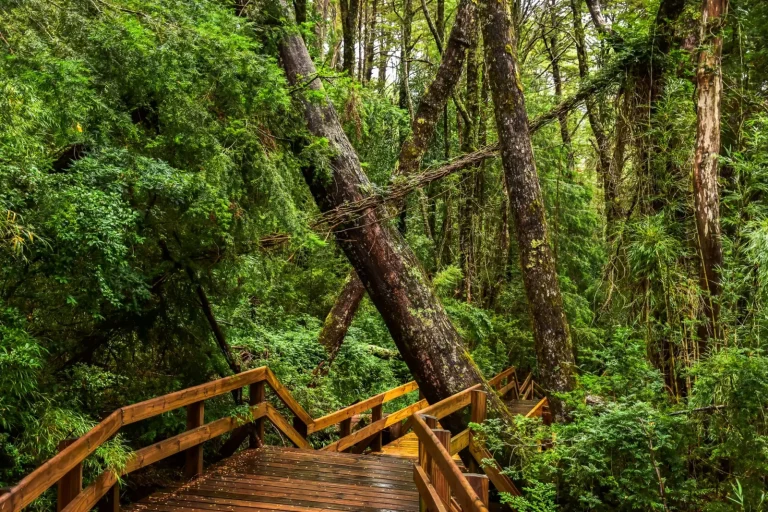
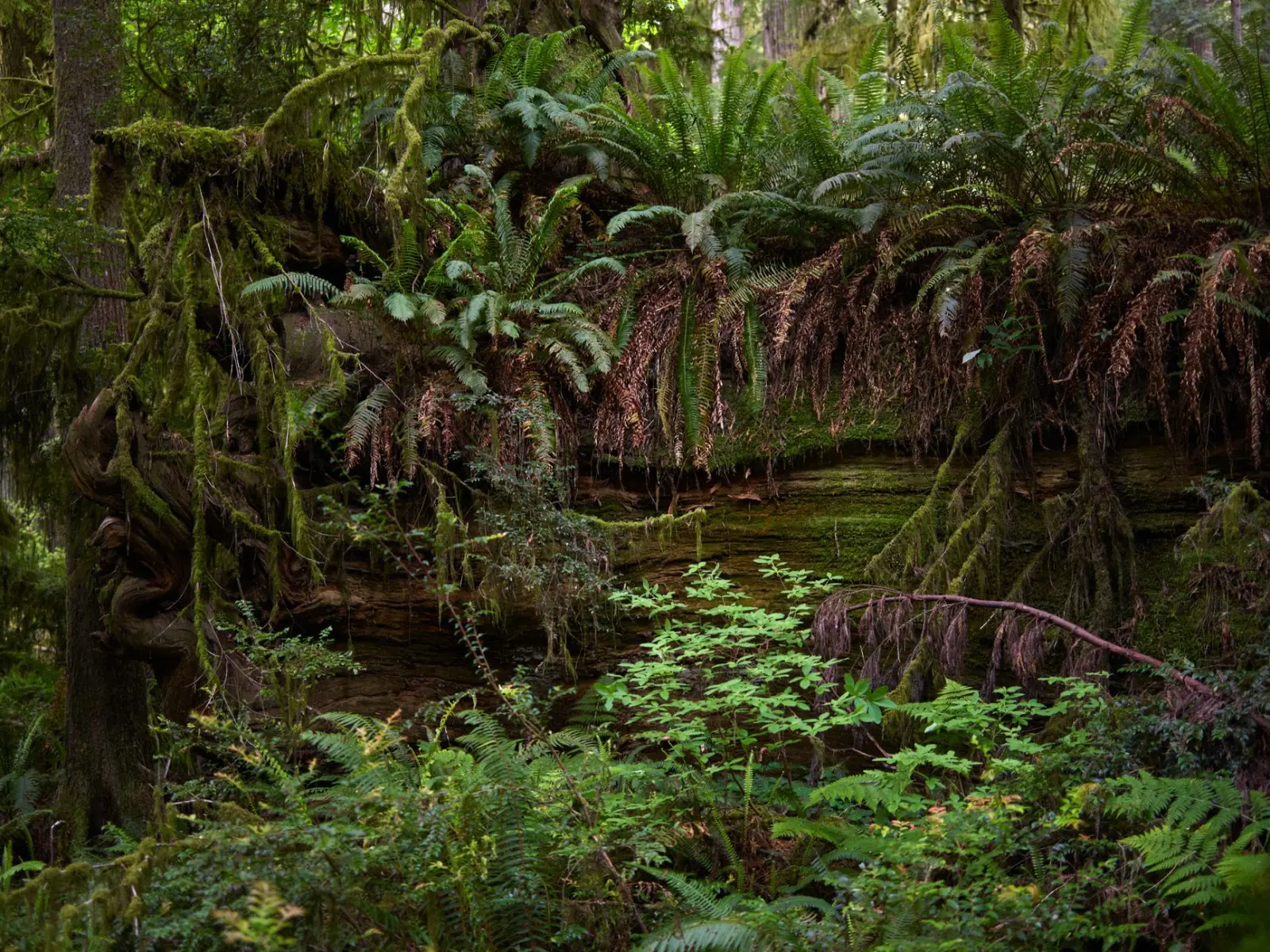
What strikes you first is the density. The forest here doesn’t thin out or open up the way you might anticipate. The canopy layers are thick enough that even on bright days, the light reaching the forest floor has a particular quality – filtered, green-tinted, almost submarine. This affects everything: how you navigate, how quickly your eyes adjust, how sound travels. The undergrowth is substantial. Ferns, native shrubs, and fallen timber create a three-dimensional maze rather than a simple walking surface. This isn’t a limitation of the trails themselves; it’s the nature of what grows here when rainfall is consistent and the soil is rich.
The Water Problem and Why It Matters
Water is everywhere in the Otways, and this changes how you move through the forest. Creeks aren’t sparse features you cross occasionally – they’re constant companions. Depending on which range you’re exploring, you might cross the same creek system multiple times as it winds through valleys. After heavy rain, which isn’t uncommon, these creeks swell quickly. I’ve seen crossings that were straightforward in dry conditions become genuinely difficult within hours of rainfall upstream.
The wet environment also means the ground itself is often saturated. Even on days when it hasn’t recently rained, the forest floor holds moisture. Moss-covered rocks are genuinely slippery, not just damp. Exposed tree roots become treacherous. Boots with good tread are non-negotiable here, and even then, your pace will be slower than you’d expect on similar terrain elsewhere. The mud isn’t the light, dusty kind – it’s sticky and deep in places, particularly around established campsites and frequently used sections of trail.
Timing and Daylight Reality
The canopy density has a direct impact on how you experience daylight. Sunrise doesn’t mean the forest suddenly becomes bright. It takes longer for the light to penetrate, and dusk comes earlier than the clock suggests. I’ve watched walkers misjudge this and find themselves moving through dimming forest far earlier than they anticipated. The psychological effect is significant. You feel like you’re running out of time before you actually are.
This means starting early isn’t optional if you’re planning a full day walk. By 4 PM, even in summer, the light quality has shifted noticeably. By 5 PM, you’re moving carefully. Winter daylight is obviously more constrained, but even in the warmer months, the forest’s light behavior compresses your effective walking window. Plan accordingly, and don’t rely on your usual estimates for how far you can travel in a given timeframe.
Navigation and What Maps Don’t Show
The established trails through the Otways are generally well-marked, but the forest’s density creates navigation challenges that aren’t always obvious from a map. Junctions can be ambiguous. Side creeks and gullies that aren’t named on maps still need to be crossed. The undergrowth can obscure trail markers, particularly after winter when fallen branches accumulate. GPS is useful, but the tree canopy can affect signal reliability in some sections.
What I’ve learned is that moving slowly and paying attention to trail markers is more effective than trying to maintain pace. The forest rewards methodical movement. Rushing leads to missed turns, backtracking, and frustration. Walkers who accept that progress will be steady rather than fast tend to have better experiences and fewer navigation issues. The trails exist for a reason – they follow the most practical routes through difficult terrain – but you need to stay with them deliberately.
The Physical Reality of the Terrain
The Otways aren’t particularly high, but they’re steep in places, and the steepness is often sustained rather than brief. Descents into gullies can be relentless. The combination of slope, wet undergrowth, and exposed roots means your legs work harder than the elevation gain alone would suggest. Calf and thigh fatigue accumulates differently here than on drier, more open terrain. The uneven ground and need for careful foot placement also demand more from your core and balance.
Fitness matters, but so does technique. Walkers who pick their way carefully, use their arms for balance when needed, and don’t try to rush downhill fare better than those who push through with determination. The forest punishes speed and carelessness. Twisted ankles, slips, and falls happen regularly to people who aren’t moving with appropriate caution.
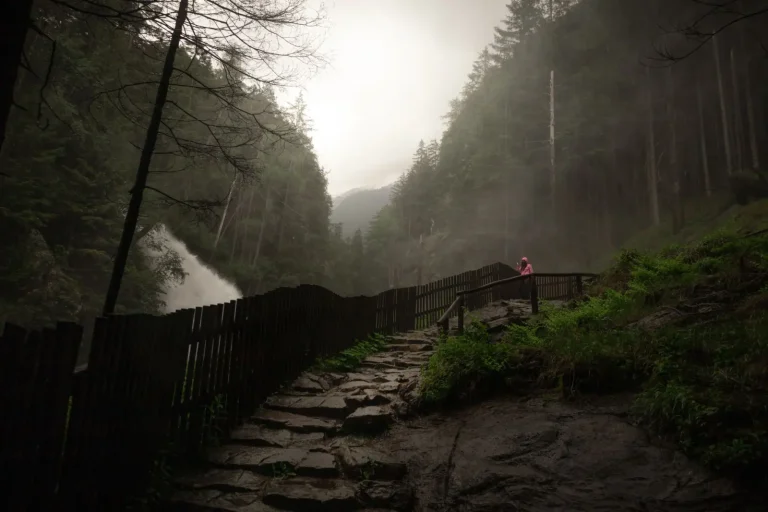
Weather changes quickly in the ranges. Mist can roll in and obscure the trail within minutes. Wind in the canopy sounds different than wind in open country – it’s more contained, more disorienting. Temperature drops noticeably once you’re deep in the forest, particularly in gullies where cold air settles. I’ve seen walkers who were comfortable in t-shirts at the trailhead needing a layer within an hour. Bring more than you think you’ll need, and don’t assume the weather at the start of your walk will be the weather you experience.
What Makes It Worth the Effort
The difficulty and demands of the Otways aren’t obstacles to overcome – they’re part of what makes the forest compelling. The density creates an immersive experience. You’re not walking through scenery; you’re moving through an ecosystem. The biodiversity is genuine. You’ll see ferns and plants that exist nowhere else, bird species adapted specifically to this environment, and geological formations that tell a particular story about this part of Australia.
The quietness, once you’re away from main trails, is profound. The forest absorbs sound. There’s a meditative quality to moving through it, particularly on days when you’re not fighting weather or difficult conditions. Walkers who return to the Otways repeatedly tend to do so because they’ve learned to move at the forest’s pace rather than their own. The experience becomes less about distance covered and more about attention paid.
The Otway Ranges aren’t a destination you conquer or complete. They’re a place that demands respect, preparation, and a willingness to move slowly. The forest will teach you its rhythms if you pay attention. Most of the difficulty people experience comes from arriving with expectations shaped by other landscapes. Adjust those expectations, move deliberately, plan for wet conditions and limited daylight, and the Otways become far more accessible and genuinely rewarding than the initial challenge suggests.