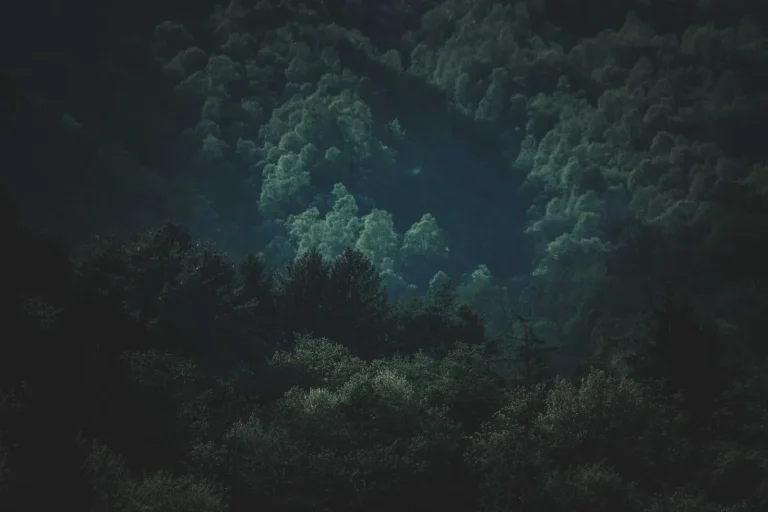
After spending years walking through NSW rainforests, I’ve noticed something consistent: people arrive with romantic notions and leave with wet socks. The rainforests here aren’t pristine jungle sanctuaries. They’re working ecosystems that demand respect, preparation, and honest expectations about what the experience actually feels like on the ground.
The state has several legitimate rainforest pockets, mostly along the coast and ranges. They’re not vast like tropical systems further north, but they’re dense, humid, and genuinely atmospheric when conditions align. The problem is that most visitors underestimate what “rainforest walk” means in practical terms. It’s not a stroll through a park. It’s navigating root systems, managing moisture, and accepting that visibility can drop significantly depending on the time of day and season.
Dorrigo National Park and the Rainforest Centre
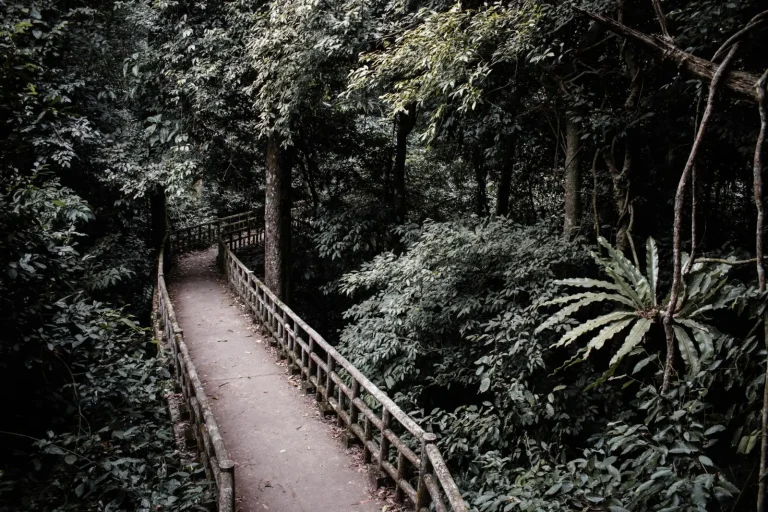
Dorrigo sits inland from Coffs Harbour and represents one of the more accessible rainforest experiences in the state. The Rainforest Centre walk is genuinely worth doing, though it’s short – around two kilometers with minimal elevation change. What makes it work is the density of canopy and the way the boardwalk forces you to slow down and actually observe the structure of the forest rather than rushing through it.
The boardwalk itself is the key feature here. Without it, the walk would be significantly harder underfoot. The ground stays perpetually damp, and the soil is unstable in places. The boardwalk lets you focus on the canopy layers, the fern species, and the bird activity rather than watching your footing constantly. I’ve seen people attempt the walk in inadequate footwear and regret it halfway through. Grip matters more than comfort on wet timber.
Early morning visits change the experience entirely. The mist sits lower in the canopy, and the forest feels more enclosed. By midday, especially in summer, the humidity becomes the dominant sensation. There’s less visual drama but more physical demand. The walk takes longer than the distance suggests because the psychological weight of the environment slows your pace naturally.
Minyon Falls and the Nightcap Range
Minyon Falls is a harder proposition. The walk to the falls themselves is roughly eight kilometers return, and it drops significantly into a gorge. The falls are genuine – a substantial cascade in a narrow rainforest valley. But the walk demands better fitness and proper footwear than Dorrigo. The descent is steep, and the return climb is where most people feel the effort.
What often surprises visitors is how the rainforest changes as you descend. The canopy opens slightly, and the understory becomes denser. The air gets noticeably cooler and more humid. By the time you reach the falls, you’re in a different microclimate than where you started. The falls themselves are framed by massive ferns and palms, which is visually striking, but the walk is primarily about the physical engagement with the landscape rather than a single destination moment.
The timing matters significantly here. A morning start means you’ll be climbing out in afternoon heat, which compounds fatigue. An early start, finishing by early afternoon, works better. The track itself is well-maintained but exposed in sections, and there’s minimal shade on some of the open ridges before you enter the deeper rainforest. Dehydration is a real risk, and most people underestimate how much water they need.
Waratah National Park
Waratah is less visited than the other major rainforest areas, which is both an advantage and a limitation. The rainforest here is genuine subtropical forest, and the walks are quieter. The Lyrebird Dell walk is around four kilometers and stays within the rainforest canopy throughout. It’s less dramatic than Minyon or Dorrigo but offers a more immersive experience precisely because there’s no boardwalk and fewer people.
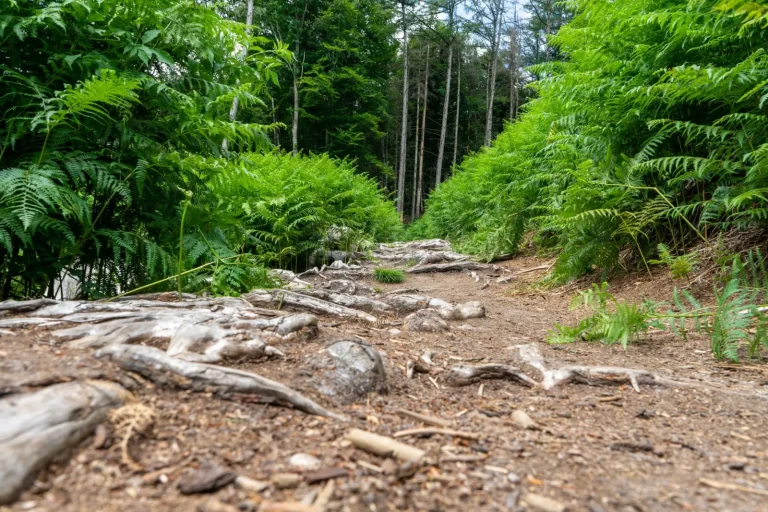
The track is narrower, muddier, and requires more active navigation. Fallen trees are common, and the understory is thicker. This isn’t a drawback – it’s actually closer to what walking through rainforest actually involves. You’re moving through the forest rather than being guided through it on infrastructure. The bird life is notable here, particularly early in the morning, though you’ll hear them far more often than you’ll see them clearly.
The major limitation is access. Waratah is further from major towns, and the facilities are minimal compared to Dorrigo or Minyon. This keeps visitor numbers low, which preserves the experience but means you need to be more self-sufficient. There’s no café at the start, no visitor center with maps and information. You arrive, walk, and leave. That simplicity appeals to people seeking something less packaged, but it requires more planning.
Practical Realities Across NSW Rainforests
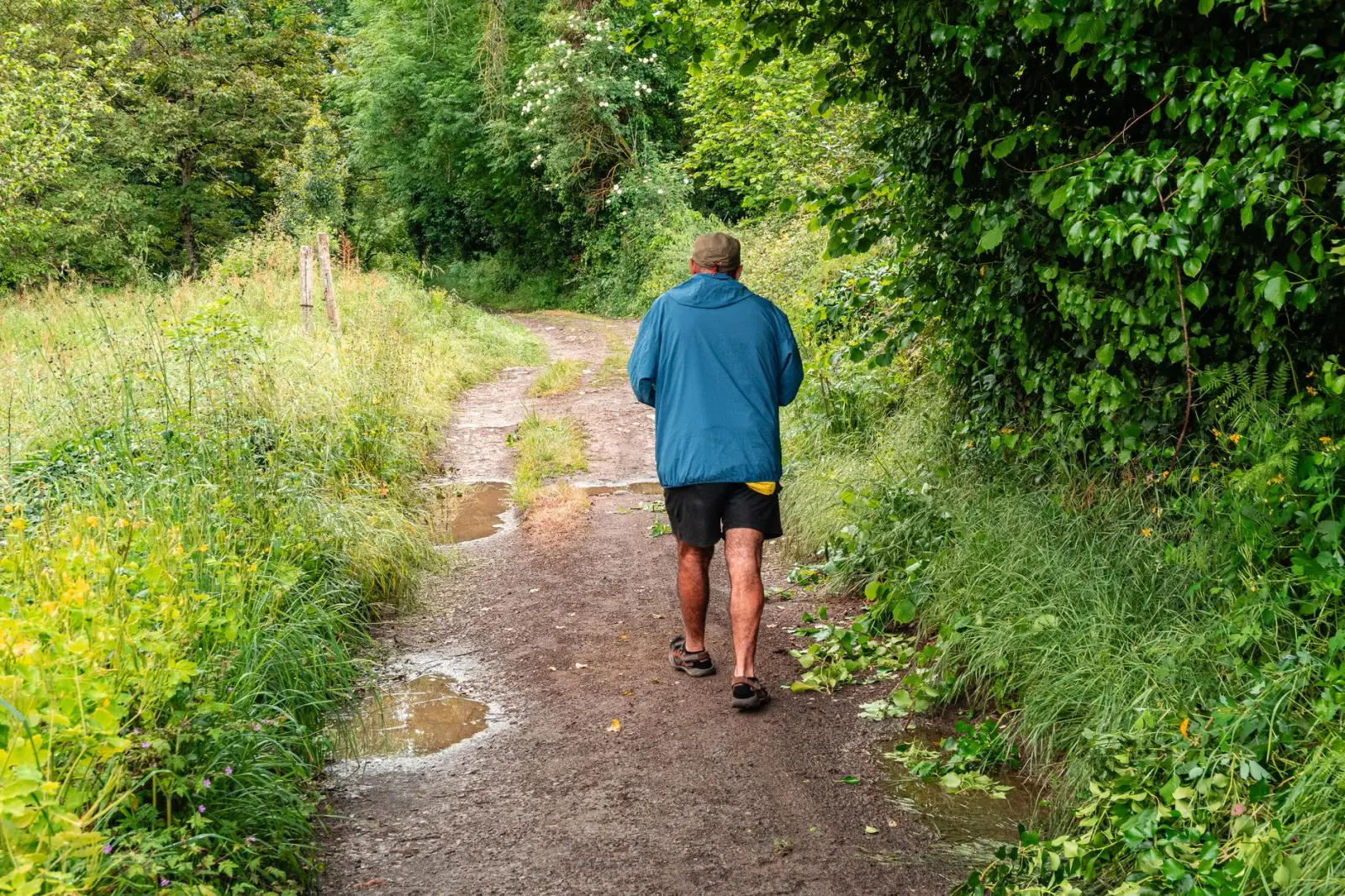
Mud is constant. Not occasional – constant. Even after dry weather, the ground holds moisture under the canopy. Proper footwear with genuine grip is non-negotiable. Smooth-soled shoes or fashion hiking boots will fail you. The tracks are maintained reasonably well, but maintenance doesn’t eliminate mud; it just prevents erosion from becoming severe.
Humidity affects your perception of distance and effort. A three-kilometer walk in rainforest feels longer than a three-kilometer walk in open terrain. Your body works harder to thermoregulate, and the dense air creates a psychological weight. People regularly misjudge how much energy they’ll expend. Starting early and building in buffer time prevents frustration.
Insects are present but not the overwhelming plague that outsiders sometimes imagine. Mosquitoes exist, particularly near water sources and in humid pockets. Leeches appear in wetter seasons and after rain. They’re not dangerous, but they’re unpleasant, and most people haven’t encountered them before. Wearing gaiters or tucking pants into socks reduces the likelihood of them attaching to your legs. Salt or insect repellent removes them if they do.
Visibility varies dramatically by time of day and season. Winter offers clearer air and less humidity, but shorter daylight hours. Summer is lusher but more claustrophobic visually. The canopy is so dense that even at midday, the light quality is muted. This affects photography and also affects mood. Some people find it peaceful; others find it oppressive. There’s no way to know until you’re in it.
Water is essential, and the distances are deceptive. Carry more than you think you’ll need. The physical exertion in humid conditions depletes hydration faster than in dry environments. Most rainforest walks don’t offer water sources along the track, so you’re carrying everything you’ll drink.
Choosing Between Them
If you want an introduction to NSW rainforest with minimal physical demand, Dorrigo is the obvious choice. The boardwalk removes the mud problem, the walk is short, and the infrastructure is solid. You’ll see what rainforest looks like without committing to a full day of physical effort.
If you want a more substantial experience and have reasonable fitness, Minyon Falls delivers. The gorge setting is dramatic, and the walk has genuine challenge. Plan for three to four hours and be honest about your fitness level. The descent is easier than the ascent, but the return climb is where most people discover their limits.
If you want something quieter and less developed, Waratah offers that. It requires more planning and self-sufficiency, but the experience is less mediated by infrastructure and tourism. The rainforest feels more like a place you’re moving through rather than a destination you’re being guided to.
The best time to walk is autumn to early winter. The weather is cooler, humidity is lower, and the light quality is better. Spring is lush but humid. Summer is hot and demanding. Late winter can be muddy from rain, but it’s still manageable. Avoid walking immediately after heavy rain – the tracks become slippery, and visibility drops further.
NSW rainforests aren’t wilderness in the remote sense. They’re accessible, managed, and integrated into the landscape of populated regions. But they demand respect for what they actually are: dense, humid, muddy ecosystems where comfort is secondary to engagement. That’s not a weakness. It’s what makes them worth visiting.