
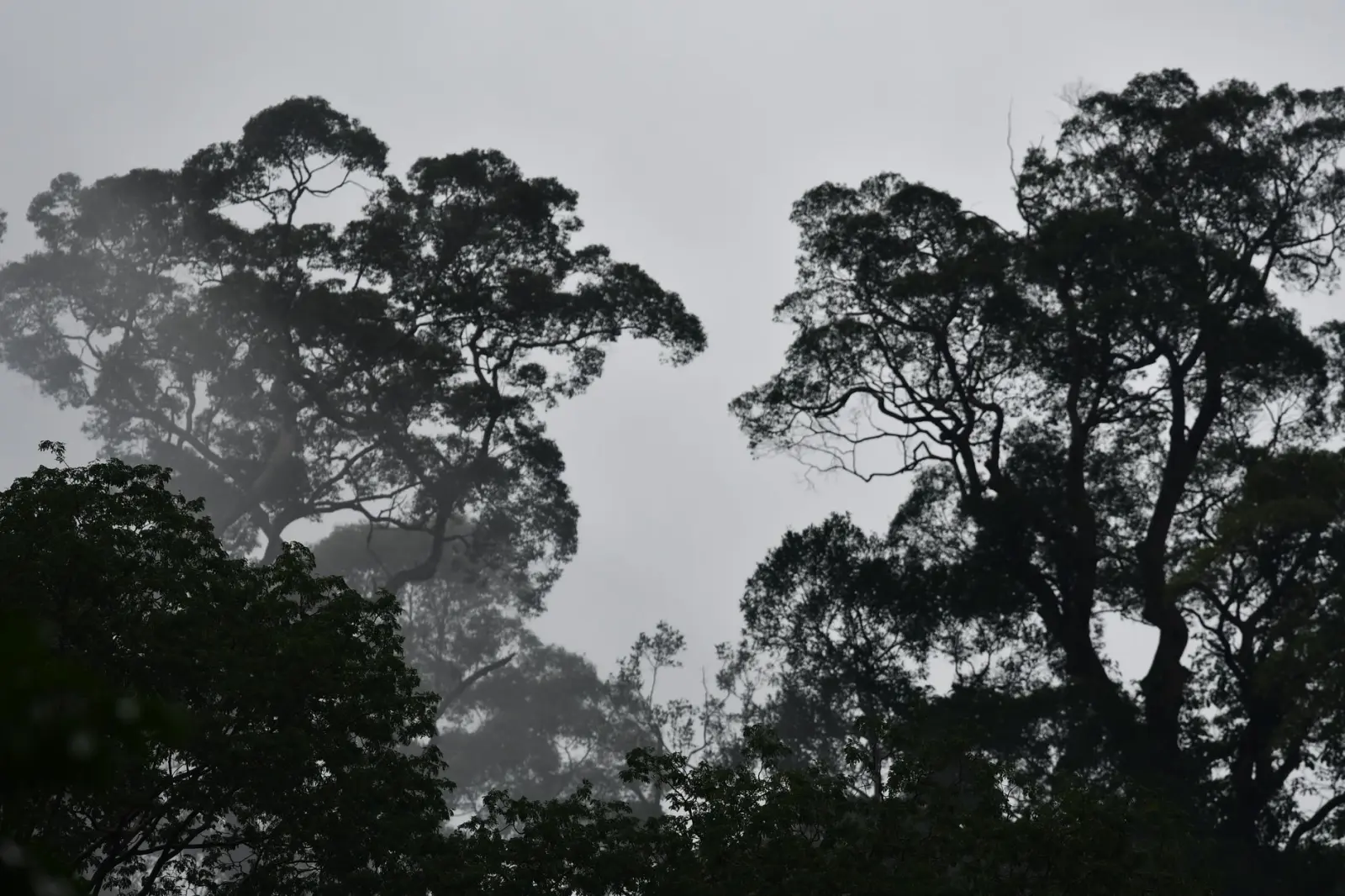
Dusk in a rainforest is when most visitors expect to see the most wildlife, and they’re not entirely wrong. But what actually happens during those hours is far more specific and conditional than the brochures suggest. After spending years moving through rainforests at different times of day across Central and South America, I’ve learned that seeing animals at dusk depends less on choosing the “best” location and more on understanding what animals are actually active, where they position themselves, and what conditions allow you to spot them before darkness makes observation impossible.
The window for dusk wildlife viewing is narrower than most people realize. It’s not the entire hour before sunset. Real visibility for spotting and identifying animals runs roughly thirty to forty-five minutes before complete darkness settles in. After that, you’re relying on sound, movement in silhouette, or the reflection of eyes in a flashlight beam. Many travelers arrive at a viewpoint thirty minutes before sunset, expecting to have an hour of good observation time. By the time their eyes adjust and they’ve oriented themselves to the landscape, usable light is already fading. The animals haven’t disappeared. You’ve simply run out of the conditions needed to see them clearly.
Riverine Areas and Oxbow Lakes
Rivers and oxbow lakes are the most reliable places to observe wildlife at dusk, and this isn’t romantic speculation. Open water means animals must expose themselves to drink, and the lack of dense vegetation overhead means light penetrates longer and more evenly. In the Amazon, the Tambopata River in Peru and the various oxbow lakes accessible from Puerto Maldonado consistently produce sightings of macaws, herons, caimans, and capybaras during the dusk period. The reason is mechanical: these animals need water, and the open space gives you sight lines that don’t exist under closed canopy.
What matters more than the specific river is positioning yourself upstream or along the bank where animals approach to drink. If you’re in a boat drifting passively, you’ll miss most activity. Animals approach cautiously and often retreat if they sense movement or hear an engine. The best vantage points are elevated banks where you can sit still for extended periods without being directly at water level. Capybaras, in particular, follow regular routes to water at dusk. Once you identify these routes by observing the vegetation patterns and worn ground, you can position yourself to intercept them as light begins to fail.
Canopy Edges and Forest Clearings
The boundary between open sky and dense forest is where dusk dynamics shift dramatically. Canopy edges – where a river meets the forest, or where a natural clearing exists – concentrate both light and animal activity. Birds move through these edges predictably during twilight hours, and larger mammals often use them as travel corridors when predation risk feels lower in fading light.
In Central America, the edges of forest reserves and protected areas often have clearings maintained by local management or natural disturbance. These spots are worth the effort to reach before dusk. Howler monkeys, which many travelers specifically want to hear and see, are most vocal during early morning and late afternoon, but they position themselves visibly on canopy edges during dusk as they settle into sleeping trees. The acoustic drama is real, but the visual opportunity is brief. You need to be in position and watching the canopy line when the light is still strong enough to distinguish individual animals against the sky.
Timing and Light Quality Matter More Than Location
I’ve watched groups miss spectacular wildlife encounters because they arrived at the “right” location at the wrong time. Dusk isn’t a fixed hour. It shifts with latitude and season. Near the equator, dusk happens faster and lasts a shorter time than at higher latitudes. In the Amazon during wet season, cloud cover can collapse the usable observation window to twenty minutes. In dry season, you might have a full hour of clear light. The animals don’t change their behavior based on what time your tour operator scheduled the trip.
The quality of light during dusk also determines what you can actually see. Overcast afternoons that transition to dusk offer diffuse, even light that’s actually better for spotting animals than bright sunshine, because there are fewer harsh shadows and animals don’t need to squint or hide in shade. Clear afternoons followed by sudden dusk create a narrow window where the light is warm and low but still strong – this is when photographers get their best images and when casual observers see the most detail. Rain approaching at dusk reduces visibility dramatically but often triggers feeding activity in some species, particularly birds and insects.
Specific Locations Worth the Logistics
The Manu National Park buffer zone in Peru, particularly the areas accessible from Boca Manu, offers consistent dusk wildlife viewing because of the combination of river access, protected status, and relatively low human disturbance. The trade-off is that reaching it requires multiple days of travel and boat time. The Cristalino Lodge in the Brazilian Amazon has built its entire operation around dusk wildlife observation, with elevated platforms positioned specifically to catch animals moving through the canopy at twilight. These aren’t budget options, but they exist because dusk observation requires infrastructure and positioning that casual visitors rarely invest in.
In Central America, the Tortuguero area of Costa Rica produces reliable sightings of caimans, herons, and occasional jaguars along canal systems during dusk. The narrow waterways concentrate animal movement in predictable patterns. The Osa Peninsula’s coastal forest edges, particularly around Puerto Jimenez, offer dusk sightings of macaws and toucans moving toward roosting sites. What these places share isn’t that they’re inherently special, but that they have geography – rivers, clearings, edges – that concentrate animal activity and provide the open sight lines necessary for observation in fading light.
The reality of dusk wildlife observation is that it’s less about discovering a secret location and more about understanding the intersection of animal behavior, light conditions, and landscape features. The animals are often there regardless. The question is whether you’re positioned, timed, and equipped to actually see them. Most travelers aren’t. They arrive at a viewpoint with minutes of usable light remaining, expect the experience to match a nature documentary, and leave disappointed when the forest feels empty. The forest isn’t empty. You’ve simply arrived after the window has closed.