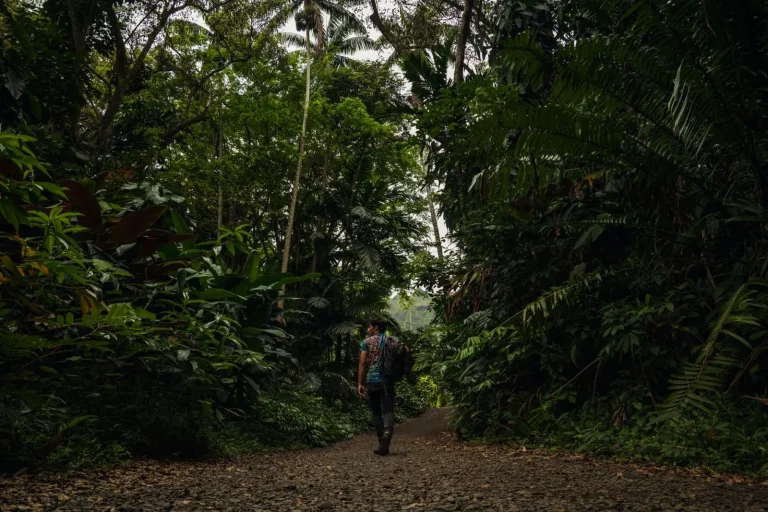

The forests around Ebor Falls sit in a pocket of the New England Plateau where the landscape shifts constantly depending on rainfall and season. I’ve walked these trails enough times to notice patterns that don’t show up in guidebooks – the way certain sections turn to mud after rain, where the canopy opens just enough to cool you down in summer, and which paths locals actually use versus which ones tourists photograph.
Ebor Falls itself is the draw, but most people spend twenty minutes at the lookout and leave. The real character of the area emerges once you move beyond the main viewing platform and into the surrounding forest. The vegetation changes noticeably as you gain or lose elevation. The eucalypts near the falls are different from those further back, and the understory shifts from dense shrub to open woodland depending on aspect and soil depth.
What strikes me most is how quickly conditions can change. A walk that feels pleasant in the morning can become uncomfortable by early afternoon if cloud cover burns off and the exposed sections heat up. The forest provides shelter in patches, but there are stretches – particularly on the eastern approaches – where you’re fully exposed to sun and wind. This matters more than most walkers anticipate, especially if they’ve come expecting the cool, shaded experience they imagine from photos.
Terrain and What It Demands
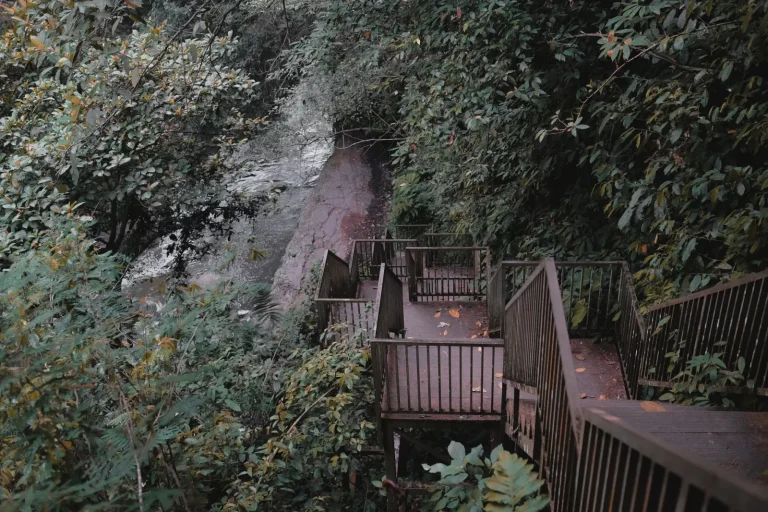
The ground around Ebor Falls varies significantly depending on which direction you approach from. The main track down to the falls is well-maintained but steep, with steps cut into the rock and soil. It’s not technically difficult, but the descent is relentless on the knees, and the return climb – even for fit walkers – takes longer than the descent because of fatigue and the psychological weight of climbing uphill.
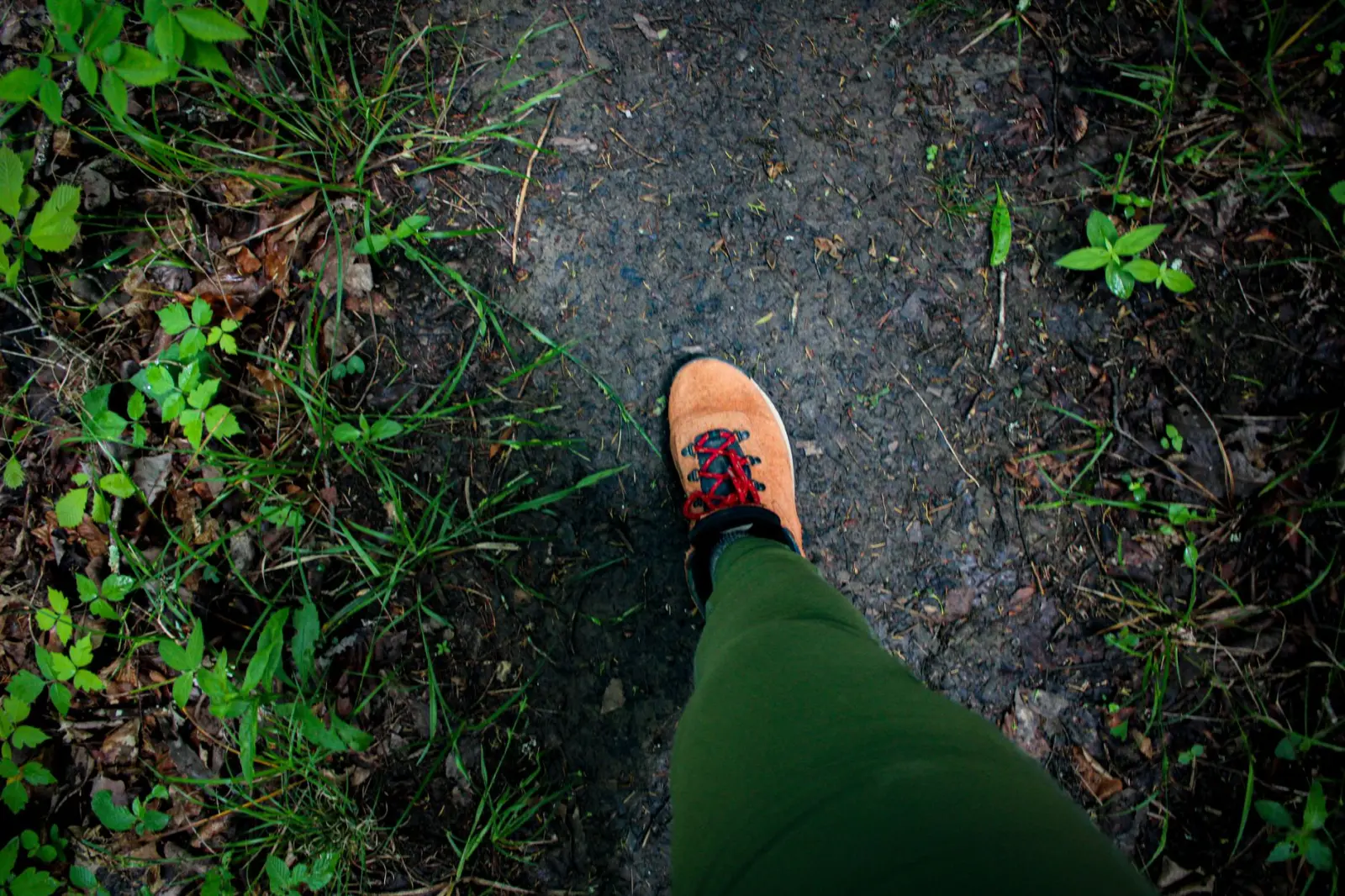
The secondary trails that branch off into the surrounding forest are less consistent. Some sections have good drainage and firm footing. Others, particularly those that haven’t seen recent maintenance, can be boggy or eroded. I’ve noticed that trails on the western side of the falls tend to drain better than those facing east, where water pools and the soil stays soft longer after rain. This isn’t random – it’s about slope aspect and how water moves through the landscape.
Root systems are extensive through much of the forest. Fallen trees create natural obstacles, and while they’re usually easy to step over or around, they slow your pace and require attention. This is especially relevant if you’re walking in low light or if fatigue is setting in. I’ve seen walkers trip on roots they didn’t see coming because they were focused on the distance ahead rather than the immediate ground.
Seasonal Shifts in the Forest
Spring brings water. The creeks that feed the falls are fuller, the vegetation is actively growing, and insects are abundant. This is also when the forest floor is most likely to be wet and slippery. The trade-off is that the light is softer and the temperature more moderate than summer.
Summer heat can be intense in the open sections, but the forest canopy provides genuine relief. The problem is that many walkers underestimate the intensity of the sun in the clearings and overestimate how much shade the forest will provide. Dehydration becomes a real issue faster than people expect. I’ve noticed that walkers who set out early – before 8 a.m. – tend to have a much more comfortable experience than those who start mid-morning.
Autumn brings drier conditions and clearer skies. The forest floor becomes firmer, which makes walking easier, but visibility into the distance increases, which can make the scale of the landscape feel less intimate. The light changes throughout the day more dramatically in autumn, which affects how the forest feels at different times.
Winter is quieter. Fewer walkers, less insect activity, and the forest feels more open because deciduous trees have dropped their leaves. The risk is that wet conditions can persist longer, and the temperature drop is more noticeable in the early morning and late afternoon. Trails that are fine in other seasons can become genuinely slippery in winter.
What the Forest Ecology Reveals
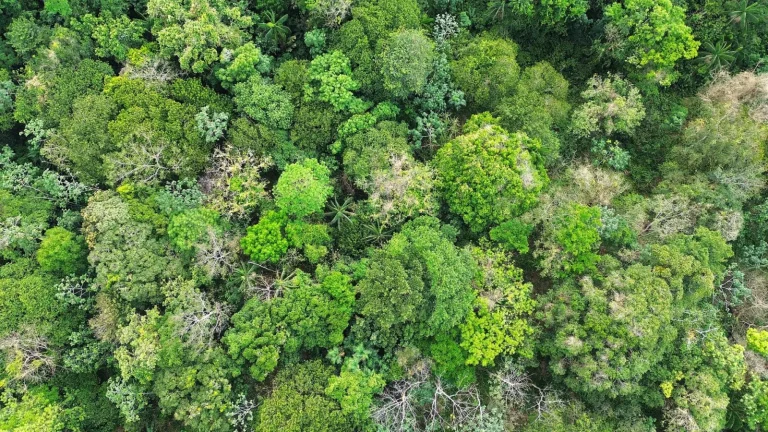
The mix of tree species tells you something about the local conditions. Tall eucalypts dominate the canopy, but underneath, you’ll find smaller trees and dense shrub layers that vary by location. Areas with thicker understory tend to be more sheltered and retain moisture longer. Areas where the understory is sparse often indicate either recent disturbance or soil conditions that don’t support dense growth.
Wildlife presence is real but usually subtle. You’ll hear birds – the forest is active with them – but seeing mammals requires patience and luck. The trails themselves show evidence of use: worn patches on the ground, broken branches at regular heights where walkers have brushed past, and occasionally more obvious signs like scat or scratch marks on trees. These traces tell you which paths get the most traffic and which are genuinely quiet.
Dead wood is everywhere. Fallen logs in various stages of decay are part of the forest’s natural cycle, not a sign of poor management. They’re habitats for insects and fungi, and they slow water runoff. Walkers sometimes see them as obstacles or signs of neglect, but they’re actually indicators of a healthy, functioning ecosystem.
Movement and Pacing
The pace at which you move through these forests matters more than distance. A two-kilometer walk can feel either quick or slow depending on terrain, elevation change, and how often you stop. I’ve found that walkers who expect to move at their usual hiking pace often underestimate how much the forest slows them down. Roots, rocks, and the need to watch footing all reduce speed naturally.
The elevation change around Ebor Falls is significant but compressed. The main descent to the falls is steep but short. If you’re exploring the wider forest, you’re often moving along contours rather than climbing or descending dramatically. This can feel deceptively easy, but the constant minor elevation changes accumulate over time and create fatigue that’s different from sustained climbing.
Time of day affects how you experience the forest physically. Early morning walks tend to feel fresher because you’re not fighting accumulated heat and fatigue. Afternoon walks, especially in summer, can feel heavier and more demanding even if the actual terrain is identical. This isn’t just perception – your body is genuinely working harder in heat and fatigue.
The forest around Ebor Falls rewards slow, attentive walking. It’s not a place where speed or distance is the point. The value is in noticing how the light changes through the canopy, how the ground shifts beneath your feet, and how the landscape reveals different aspects depending on where you stand and when you’re there. That kind of observation takes time, and it’s what separates a walk from a hike – one is about covering ground, the other is about understanding it.