
The Tweed Caldera rainforest sits in a geological pocket straddling the New South Wales and Queensland border, and its wildlife reflects the peculiar conditions that come with living inside an ancient volcanic rim. After spending considerable time moving through this landscape – early mornings, humid afternoons, wet season downpours – certain patterns emerge that don’t always match what guidebooks suggest you’ll see. The animals here aren’t performing for visitors. They’re responding to microclimates, food availability, and seasonal rhythms that shift more dramatically than the casual observer might expect.
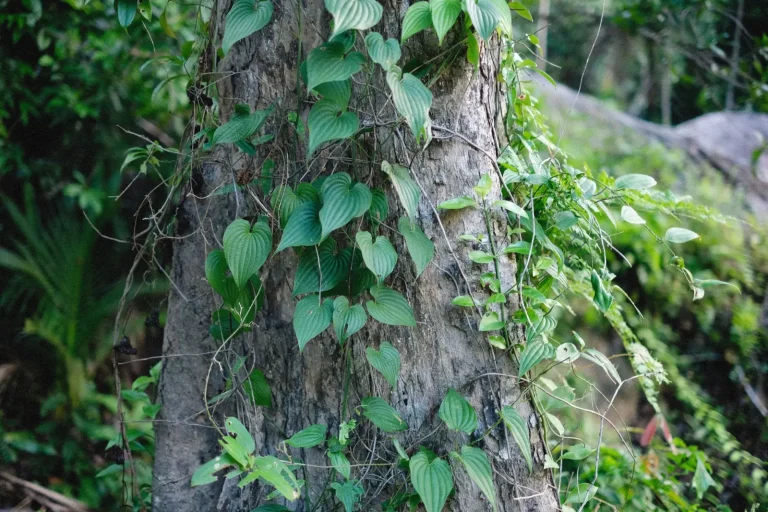
The canopy structure itself dictates what lives where. The tallest emergent trees create a distinct layer that’s largely inaccessible without climbing, and most of the visible wildlife activity happens in the mid-story and understory. You’ll notice this quickly if you’re walking the main tracks – the birds you hear are often above your line of sight, and the mammals tend to move through the lower vegetation or along the forest floor. This vertical separation means you can walk the same path on different days and encounter entirely different assemblages of animals, depending on where you’re looking and what time you arrive.
Seasonal Shifts in Activity and Visibility
The subtropical climate here produces distinct wet and dry seasons, and wildlife behavior changes noticeably between them. During the wetter months (roughly November through March), the forest is dense with moisture, insects proliferate, and many species become more active. Frogs are particularly vocal during this period – the soundscape at dusk becomes almost overwhelming if you’re not accustomed to it. However, the increased vegetation density actually makes spotting larger animals harder. You might hear a lyrebird mimicking other species, but tracking it visually through the thick growth is another matter entirely.
The drier months bring different pressures. Water sources become more concentrated, and animals tend to move along predictable routes to reach them. This is when you’re more likely to encounter wallabies or possums near established trails, particularly in early morning or late afternoon. The trade-off is that insects are less abundant, so some species shift their behavior or move to different elevations within the caldera. I’ve noticed that the density of birdlife in accessible areas actually increases during drier periods, possibly because they’re more visible against sparser vegetation and because they concentrate around remaining water sources.
The Birds: Presence vs. Observation
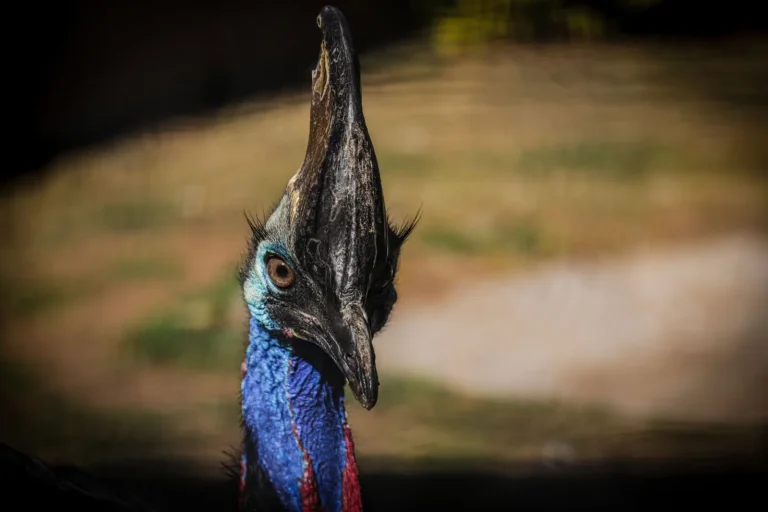
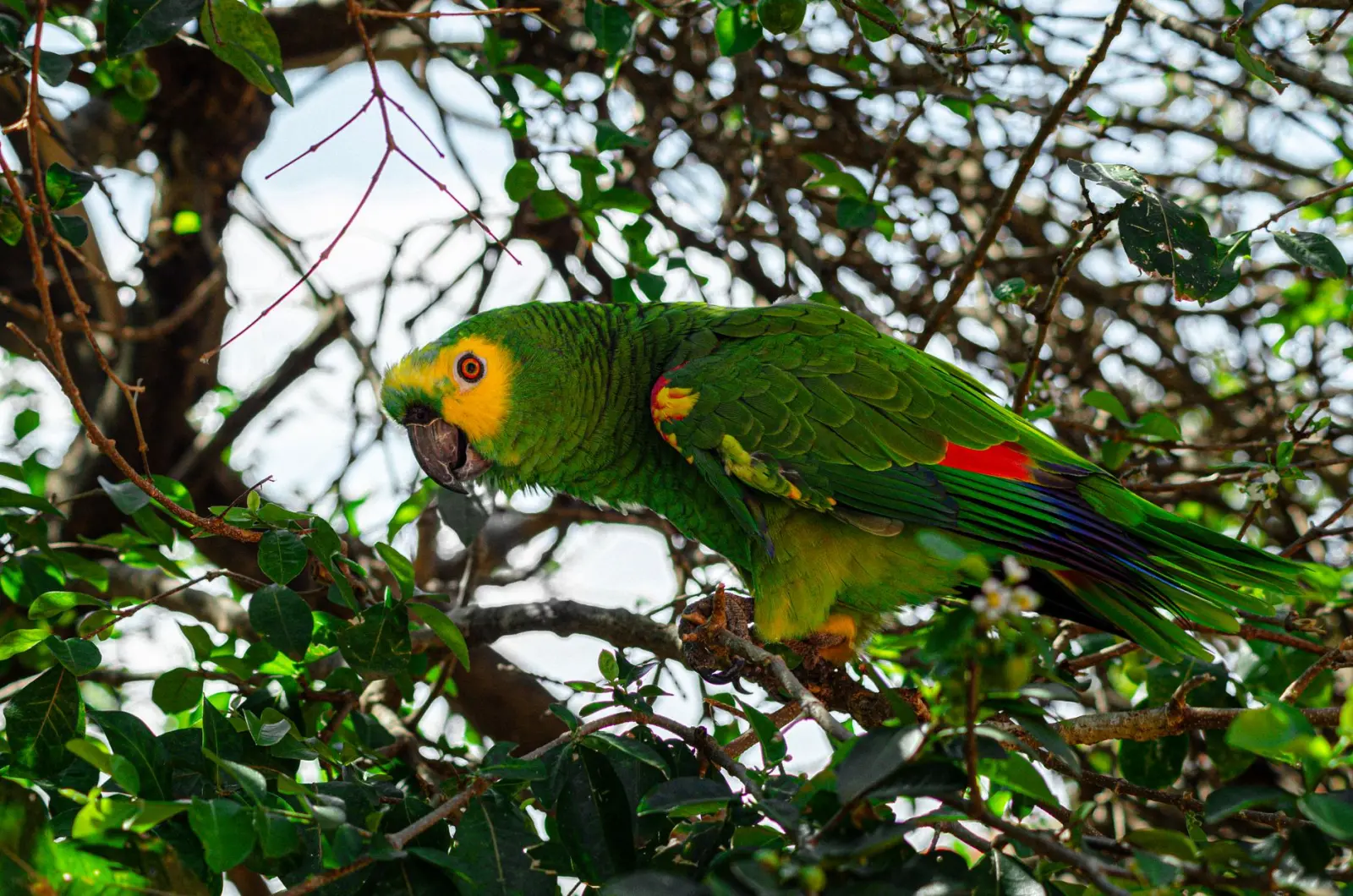
Birdwatchers often arrive with high expectations, and the Tweed Caldera does support significant avian diversity. Species like the Regent Bowerbird, Piccabeen Palm Cockatoo, and various honeyeaters are genuinely present, but “present” doesn’t mean “easy to see.” The Regent Bowerbird, for instance, is territorial and active, but it tends to work its bower in specific locations that aren’t always along main walking tracks. You need to know where to listen and be willing to move quietly through off-trail areas – which brings its own complications in terms of time, fatigue, and navigation.
The more common species – currawongs, kookaburras, various pardalotes – are vocal and visible enough that you’ll encounter them regularly. But the rarer or more elusive species require patience and often luck. I’ve spent hours tracking a single bird call only to have it move deeper into the forest or fall silent. This isn’t a failure of the ecosystem; it’s simply how these animals operate. They’re not obligated to appear within viewing distance, and the forest is large enough that an animal can be common but still difficult to locate on any given visit.
Mammals: Nocturnal Patterns and Daytime Rarity
The larger mammals – particularly possums and gliders – are predominantly nocturnal, which creates an immediate constraint for daytime visitors. You might spot a brushtail possum if you’re walking at dusk or early evening, or if you encounter one that’s been disturbed and is moving during daylight hours. Koalas are present in the caldera, but they’re solitary, cryptic, and spend much of their time high in eucalyptus trees at the forest margins rather than in the dense rainforest proper. Spotting one requires either luck or specific knowledge of their preferred feeding trees.
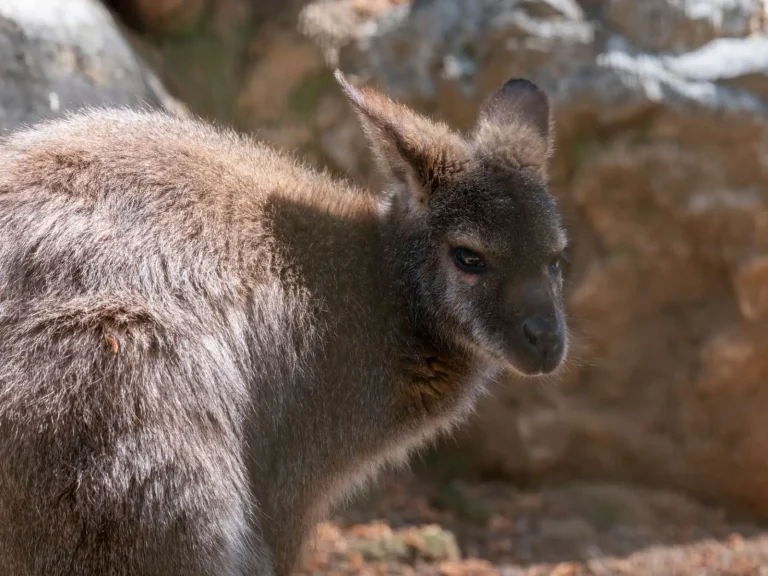
Wallabies are the most reliably visible larger mammal. They’re active during dawn and dusk, and they use established trails and open areas. However, their presence varies seasonally and by location within the caldera. Some areas of the forest see regular wallaby activity; others see none. This variation isn’t random – it reflects food availability, water access, and the presence of suitable shelter. Understanding these patterns requires repeated visits and observation rather than a single trip through the forest.
Reptiles and Amphibians: Microhabitat Specialists
The reptile and amphibian fauna of the Tweed Caldera is diverse but often overlooked by visitors focused on birds and mammals. Snakes are present – including venomous species like the red-bellied black snake – but encounters are rare because snakes actively avoid humans and are most active during warmer months. You’re far more likely to encounter skinks and other lizards, particularly in areas with fallen logs and rocky outcrops where they bask and hunt.
Frogs are abundant, especially during the wet season. The soundscape at night is dominated by their calls, and if you’re willing to move slowly through wet areas with a torch, you can observe numerous species. The challenge is that many frogs are small, cryptic, and active only at specific times. A species that’s calling loudly at dusk might be completely silent by 9 p.m., and locating the individual frog producing the sound requires patience and a willingness to move carefully through muddy, uneven terrain.
Insects and the Foundation Layer
Insects are the most abundant animals in the rainforest, though they’re often treated as background rather than subjects of observation. Butterflies, beetles, spiders, and countless other arthropods drive the ecosystem’s energy flow. During wetter periods, insect diversity is staggering – you’ll notice this immediately if you’re walking slowly and paying attention to the vegetation and ground layer. Certain insects are conspicuous: large spiders, colorful butterflies, cicadas during the warmer months. Others are easy to miss entirely unless you’re specifically looking for them.
The relationship between insects and other wildlife is direct and constant. Bird activity correlates strongly with insect availability. Reptiles and amphibians time their activity to coincide with insect emergence. Understanding what you’re seeing in the Tweed Caldera rainforest requires at least some awareness of this foundational layer. A day with high insect activity will generally produce more visible wildlife across multiple taxa, while a day with low insect activity will feel comparatively quiet, even if the same animals are present.
Visiting the Tweed Caldera’s rainforest with realistic expectations makes the experience more rewarding. The ecosystem is active and diverse, but wildlife observation here is about patience, timing, and understanding that absence of visibility doesn’t indicate absence of animals. Early morning visits, willingness to move slowly and quietly, and repeated visits to the same areas all increase your chances of meaningful encounters. The forest operates on its own schedule, not the visitor’s.