
Australia’s east coast rainforests occupy a peculiar position in the travel landscape. They’re often overshadowed by reef tourism or coastal beach culture, yet they deliver something genuinely different – dense, humid, ancient forest that feels genuinely separate from the rest of the continent. I’ve spent considerable time moving through these systems, and the experience varies dramatically depending on where you go and when you arrive.
The rainforests here aren’t uniform. They’re scattered along a north-south corridor from Far North Queensland down to northern New South Wales, each with distinct character shaped by altitude, rainfall patterns, and accessibility. Some are genuinely wild and require serious effort to experience properly. Others have been packaged into accessible loops and boardwalks. Neither approach is inherently better, but the difference matters enormously when you’re planning a trip.
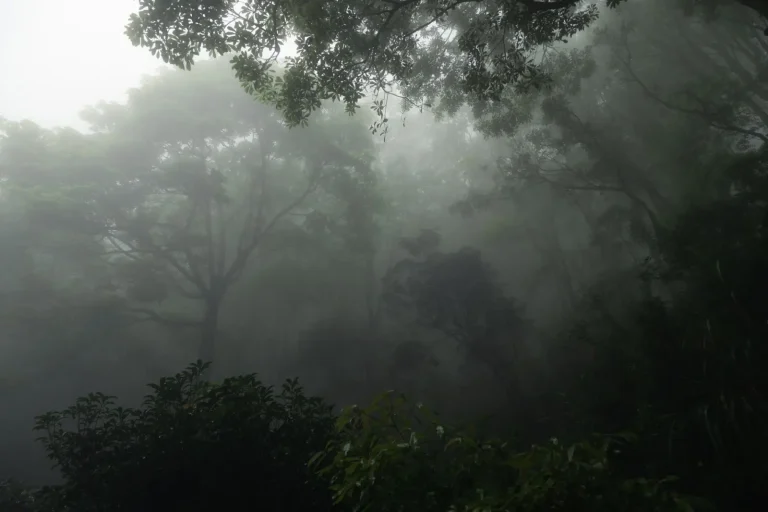
What strikes most visitors first is the humidity. It’s not the kind you experience in tropical cities with air conditioning breaks. It’s relentless, pervasive, and it shapes everything – how long you can comfortably walk, what you’ll actually see, how your body responds to exertion. The rainforest doesn’t care about your pace or preferences. You adjust to it.
The Daintree and Mossman Gorge Region
The Daintree, north of Cairns, is the oldest tropical rainforest on Earth and carries that weight visibly. It’s also the most visited, which creates its own set of realities. The main loop – Mossman Gorge with its boardwalks and swimming hole – handles thousands of visitors weekly. The water is genuinely cool and the walk is short enough that most people finish without serious fatigue. But you’re rarely alone, and the experience is fundamentally shaped by crowd management rather than wilderness immersion.
If you go to Mossman, arrive early. Not just earlier than most tourists, but genuinely early – before 8 a.m. The difference between arriving at 7:30 and 9:00 is measurable in terms of space, noise levels, and how the forest feels. The boardwalk itself is well-maintained but crowded, and the swimming hole becomes a social event rather than a quiet moment. That’s not criticism; it’s just reality.
Beyond the main boardwalk, the Daintree has deeper options. The Marrdja Botanical Walk is longer and less trafficked, winding through primary forest with minimal infrastructure. It’s muddier, the path is less obvious, and you’ll encounter far fewer people. The vegetation is denser, and you get a clearer sense of what the forest actually is rather than what tourism has made it. This walk requires more time and slightly better fitness, but the payoff is substantial.
The drive through the Daintree itself – the winding road through the forest from Mossman to Cape Tribulation – is worth the time. Stop at pullouts. Walk the short forest trails. The rainforest canopy from ground level is different from what you see from boardwalks. The understory is darker, more complex, and more genuinely disorienting in a way that’s hard to convey.
Lamington National Park and the Gold Coast Hinterland
Lamington sits about two hours inland from the Gold Coast, and the contrast is sharp. You move from coastal development to subtropical rainforest with genuine elevation and cooler temperatures. The park has serious infrastructure – multiple lodges, well-marked trails, and a network of walking options ranging from 30 minutes to full-day hikes.
The advantage here is that you can stay in the forest rather than commuting from a coastal town. The disadvantage is that the park has become increasingly popular, and the main trails show wear. The Rainforest Circuit, one of the flagship walks, is crowded on weekends and even weekday mornings. If you’re staying at one of the lodges, you have the option to walk very early or late in the day when foot traffic drops dramatically.
What works better at Lamington is moving away from the most famous trails. The Border Track, running along the Queensland-New South Wales boundary, offers serious rainforest immersion with fewer people. It’s longer, requires better navigation skills, and involves genuine elevation change. The forest here is undeniably beautiful – towering trees, clear streams, and a sense of actual remoteness that the main circuit trails have lost.
The climate at Lamington is notably cooler than the tropical north. You’ll still sweat, but the humidity is less oppressive and the temperature drops enough that walking longer distances becomes feasible. This matters more than it sounds. At Daintree, a three-hour walk in peak humidity can be genuinely exhausting. At Lamington, you can sustain longer activity without that same level of fatigue.
The Nightcap and Minyon Falls Region
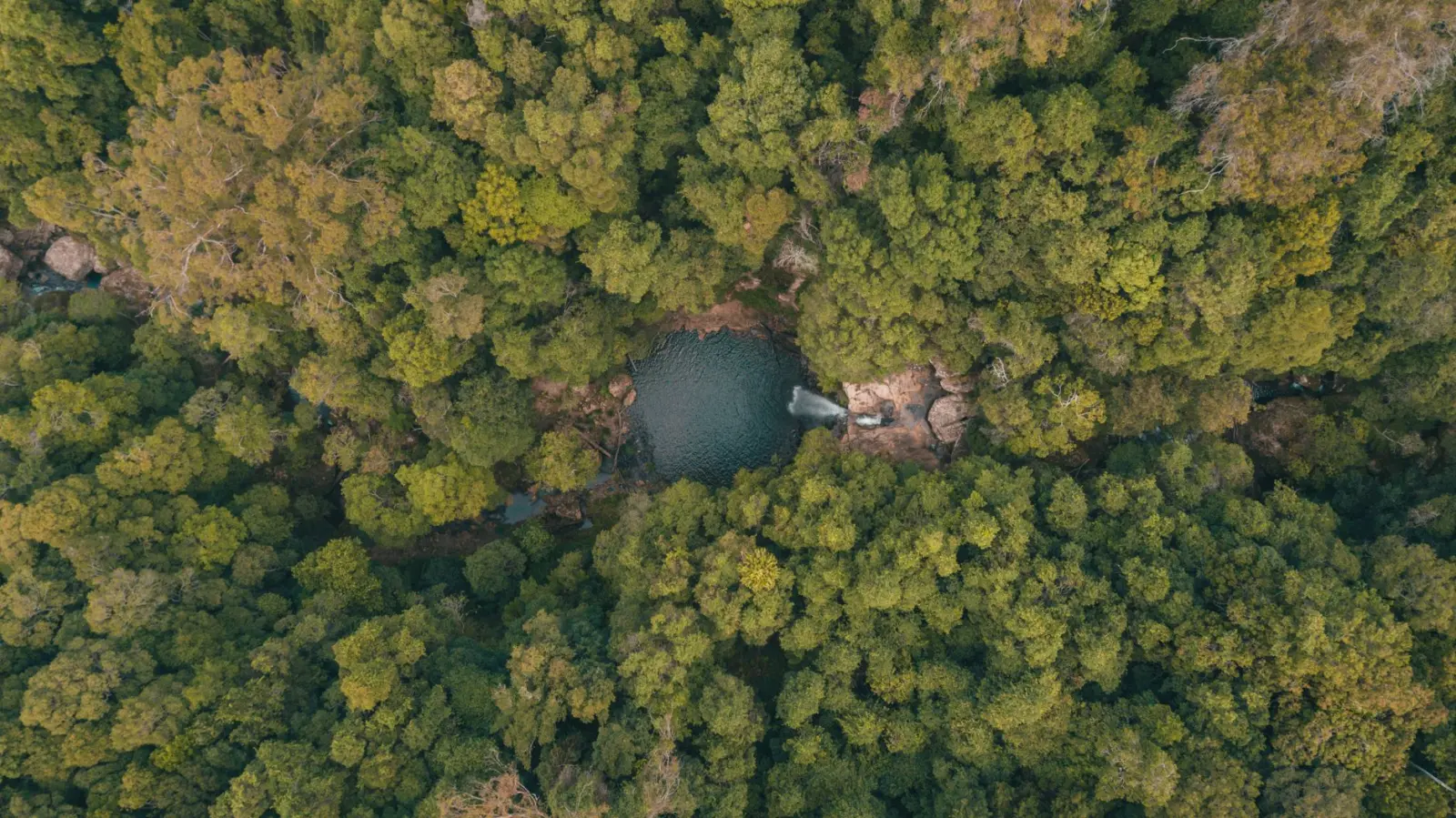
Moving south into northern New South Wales, Nightcap National Park and the surrounding rainforests offer something different again. These forests are subtropical rather than tropical, with different vegetation and a distinctly different feel. Minyon Falls, accessed through Nightcap, is a waterfall walk that delivers genuine impact – the falls are substantial and the approach involves real forest immersion.
The walk to Minyon Falls is moderately challenging. It’s about 10 kilometers return with elevation change and a section of steep descent to the falls themselves. What matters is that it’s not a crowded tourist loop. You’ll encounter other walkers, but the numbers are genuinely lower than at the major tropical destinations. The forest itself feels less managed, less packaged.
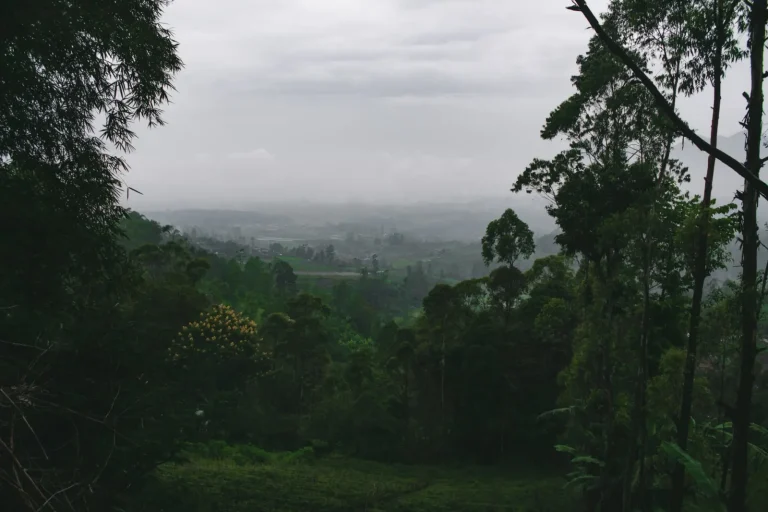
The subtropical rainforest here has different character. The canopy is lower in places, the understory more open, and the overall density less overwhelming. If you find tropical rainforests claustrophobic or exhausting, the subtropical versions can feel more navigable. The vegetation is still lush and complex, but it doesn’t press in quite as intensely.
The logistics matter here. Nightcap is less developed for tourism than the major tropical parks. Accommodation options are more limited, and you’re often driving on smaller roads to reach trailheads. This isn’t a problem if you’re prepared for it, but it’s worth understanding before you commit. The payoff is that you’re genuinely away from the main tourist infrastructure.
Timing and Seasonal Reality
The wet season in tropical rainforests runs roughly November to March. During this period, rainfall is heavy, trails become muddy or flooded, and humidity reaches levels that genuinely limit activity. Some walks become unsafe or inaccessible. This is also peak cyclone season, and while direct hits are rare, the weather patterns can be unpredictable.
The dry season, May to September, is when most people visit. The humidity is lower, trails are in better condition, and the overall experience is more comfortable. But “lower humidity” in a tropical rainforest still means genuinely humid. You’re not escaping moisture; you’re just experiencing a slightly less extreme version of it.
April and October occupy a middle ground. The weather is transitional, crowds are lower than peak season, and conditions are generally good. If you’re flexible on timing, these months often deliver better experiences than the peak dry season simply because you encounter fewer people without sacrificing trail conditions.
Early morning visits matter more than most people realize. The forest is different at dawn – cooler, quieter, with different animal activity. If you’re genuinely interested in experiencing rainforest rather than completing a tourist checklist, arriving when gates open makes a measurable difference. This applies to all the major destinations, but it’s particularly noticeable at Daintree and Lamington where crowds are heaviest.
What Actually Works in Practice
The best rainforest experience along the east coast isn’t necessarily the most famous destination. It’s the one that matches your fitness level, time availability, and tolerance for crowds. Daintree is genuinely worth visiting, but manage expectations about solitude. Lamington delivers better infrastructure and cooler temperatures. Nightcap and the subtropical forests offer a different experience entirely with lower tourism pressure.
Physical preparation matters more than most guides acknowledge. These aren’t casual walks. The humidity, heat, and uneven terrain combine to create genuine physical demand. If you’re not accustomed to walking in hot, humid conditions, starting with shorter trails and building from there is sensible rather than ambitious.
Footwear is worth thinking about. Proper hiking boots with good grip are genuinely useful on wet, muddy trails. Lightweight trail shoes work if conditions are dry, but after rain or in perpetually damp forest, they offer less security than you’d want. This seems minor until you’re navigating a steep, slippery section with inadequate grip.
The rainforests of Australia’s east coast deliver genuine experiences, but they require realistic expectations and practical planning. They’re not wilderness in the sense of being untouched – tourism infrastructure is visible at the major sites. But they’re also not theme parks. The forest operates on its own terms, and the quality of your experience depends largely on how well you adapt to those terms rather than expecting the forest to adapt to yours.