The Antarctic beech forests on Barrington Tops exist in a state of quiet defiance. They occupy a narrow band of elevation on the New England plateau in northern New South Wales, persisting where conditions align just right – cool, wet, sheltered from wind. Most people who visit the region never see them. The plateau itself is accessible enough, but the beech groves sit tucked into gullies and protected slopes, requiring deliberate navigation and reasonable fitness to reach. After multiple visits across different seasons, the impression remains the same: these are not forests that announce themselves or welcome casual passage.
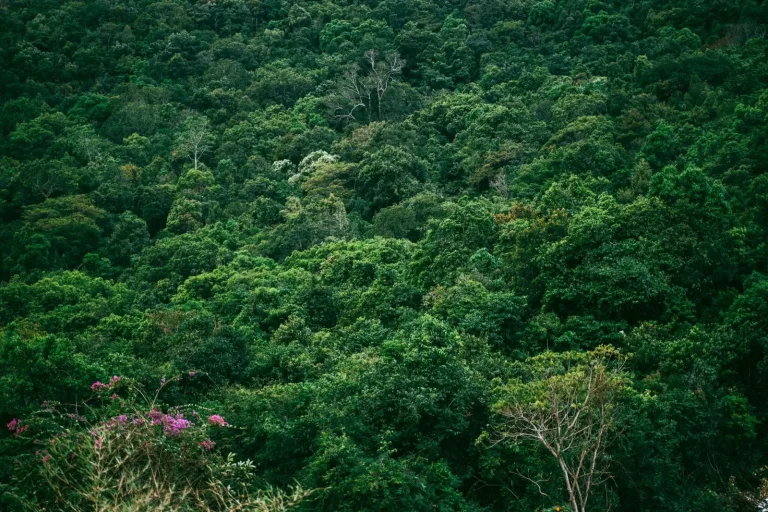
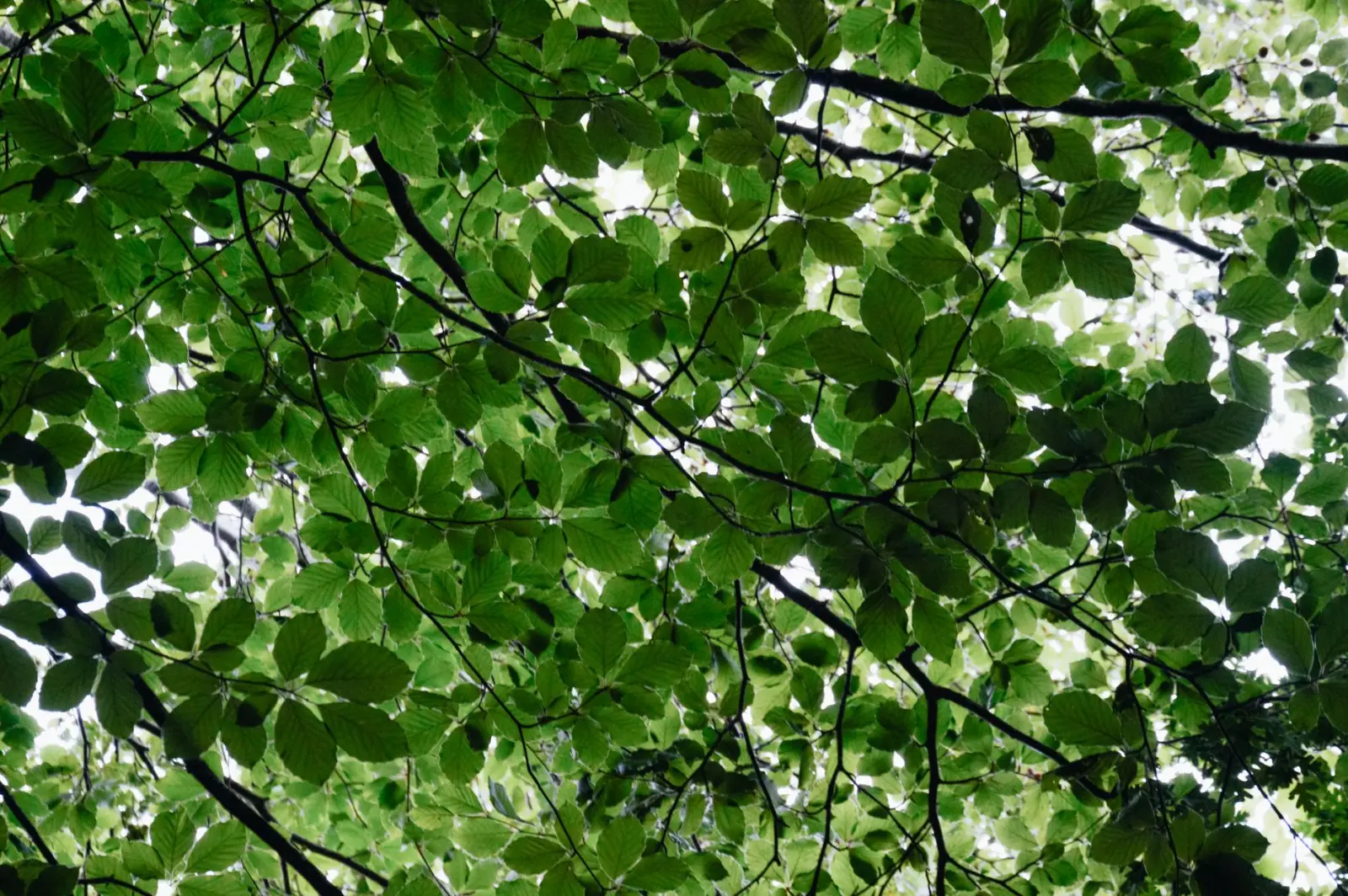
What strikes you first when you enter the beech woodland is the absence of the typical Australian bush soundscape. There are no kookaburras, no cockatoos, no harsh bird calls. The light filters through in a way that feels distinctly un-Australian – soft, filtered, almost temperate. The trees themselves are modest in height, rarely exceeding 25 metres, with smooth grey bark and small, neat leaves. They form a closed canopy that keeps the understory dim and relatively open. The soil beneath your feet is rich and dark, often sodden even weeks after rain. Moss and liverworts coat the trunks and rocks. Ferns – particularly the soft tree ferns – emerge from the shadowed floor. It feels less like walking through an Australian forest and more like stepping into a fragment of New Zealand or Tasmania that somehow ended up in the New England highlands.
Gondwanan Remnants and Why They Matter
These beech forests are living evidence of a much older Australia. The Antarctic beech, Nothofagus moorei, is a relict species – a survivor from the Gondwanan supercontinent that fragmented roughly 80 million years ago. Its closest living relatives grow in South America and New Zealand. On Barrington Tops, the species exists at the northern edge of its Australian range, confined to a handful of gullies and protected valleys. The forest composition around it tells the story of gradual climate change over millennia. As the continent drifted north and dried out, these cool, wet refugia became islands of older ecology, marooned in a landscape that shifted toward drier eucalypt woodland.
The ecological significance is real, but it’s worth separating genuine conservation value from romantic narrative. The beech forests are not “pristine wilderness” – they never were, and they are not now. Indigenous people used these highlands for thousands of years, and the forests bear marks of that history. European settlement brought logging, grazing, and fire suppression, all of which altered the structure and composition of the woodland. In recent decades, the primary threats have been more subtle: climate change affecting water availability and temperature regimes, introduced species like feral deer and wild pigs that damage the understory, and the simple isolation of small populations with limited genetic exchange.
Access and the Reality of Getting There
The main approach to the beech forest from Barrington Tops National Park involves a walk of roughly 4 to 5 kilometres from the car park at Thunderbolt’s Lookout. The track descends into the gully system where the beech groves cluster. The descent is steep in places, with rough stone steps and exposed tree roots. What appears straightforward on a map becomes more complex on foot. The track can be muddy and slippery even days after rain, particularly on the steeper sections. The return journey is a sustained climb of 500 metres or so, and fatigue accumulates noticeably on the way out. Most people manage it without difficulty, but it is not a casual stroll, and it is not suitable for young children or those with mobility limitations.
The timing of your visit matters considerably. Winter brings reliable moisture but also cold temperatures and occasional snow at higher elevations. The track can be icy in early morning, and daylight hours are short. Spring offers comfortable temperatures and the understory is lush with new growth. Summer can be warm and the gullies occasionally dry, which changes the character of the walk. Autumn is often clear and pleasant, though the beech foliage change is subtle compared to deciduous forests elsewhere. I have found late spring and early autumn to be the most reliable windows – weather is generally stable, the track is reasonably dry, and the light has a particular clarity.
What You Actually Encounter
The beech forest itself occupies perhaps a few hundred hectares across Barrington Tops, scattered in separate groves rather than one continuous stand. The largest and most accessible grove is what most visitors see. Once you reach the forest floor, the walking is easier than the approach track. The ground is relatively open beneath the canopy, with minimal scrubby growth. You can move through it without fighting vegetation. The trees are close enough to create an intimate sense of enclosure, but not so dense that you feel trapped. The air is noticeably cooler and more humid than the exposed plateau above.
The fauna you encounter is limited. Lyrebirds are present and occasionally heard. Smaller birds flit through the understory – various honeyeaters, thornbills, and fantails. Mammals are less obvious; you might see evidence of wallabies or wombats, but encounters are rare. Invertebrates are abundant but not conspicuous unless you look closely. The forest is quieter than most Australian bushland, which some find peaceful and others find slightly unsettling. There is no sense of dramatic wilderness or danger. It is simply a different kind of forest, operating under different ecological rules than the surrounding landscape.
The Fragility Factor
The beech forests are protected within the national park, and access is managed to some degree. However, the protection is not absolute, and the forests face genuine pressures. Feral animals, particularly deer and pigs, damage the understory and soil structure. Climate models suggest that the cool, wet conditions that sustain the beech may become less reliable over coming decades. The populations are small and isolated, which limits genetic diversity and adaptive capacity. Fire, if it burns hot enough, can cause significant damage, though the moist conditions in the gullies make major fire less likely than in surrounding areas.
The practical reality is that these forests will persist in some form, but their composition and character may shift. The beech itself is not under immediate threat of extinction, but the specific ecological community – the assemblage of plants, animals, and fungi that make up the forest – is vulnerable. Visiting them does not harm them directly, but the cumulative impact of many visitors, combined with larger environmental pressures, is a genuine consideration. The tracks are maintained and designed to concentrate foot traffic, which is the sensible approach to managing access in a fragile system.
After multiple visits, the Antarctic beech forests read as a reminder of how contingent ecological systems are. They exist because of a specific set of historical, geological, and climatic circumstances. They are valuable not because they are dramatic or accessible, but because they represent a different way of being a forest – one that most Australians never encounter. The visit itself is quiet and understated. You walk through cool shade, observe the small details of a different ecosystem, and return to the plateau. There is no dramatic payoff, no sweeping vista, no sense of conquest. What remains is simply the awareness that older forms of life persist in unexpected places, and that their persistence is not guaranteed.