
Dawn in a rainforest is not quiet. Most people arrive expecting silence broken only by bird calls, but that is not how it works. The forest wakes in layers. Insects chirp constantly. Leaves drip. Wind moves through the canopy. What makes certain locations exceptional for hearing birds is not the absence of other sound, but the specific acoustic properties of the place and the behavior of the birds themselves during those first hours after sunrise.
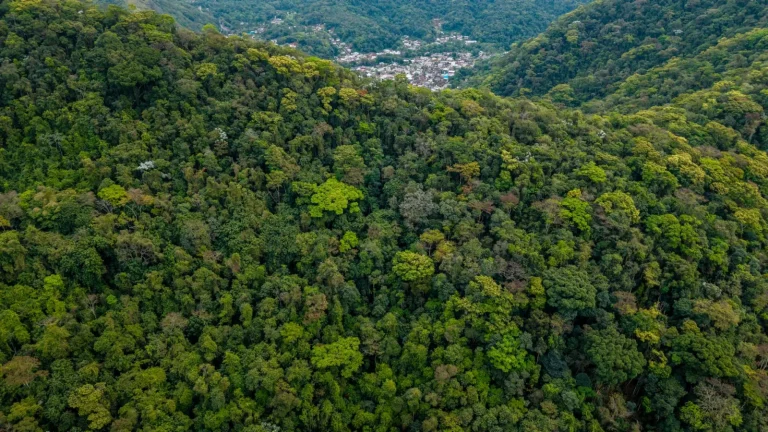
I have spent enough mornings in rainforests across Central and South America to recognize the difference between a location where you will hear birds and one where you will stand in the dark, damp, and frustrated. The distinction usually comes down to three overlapping factors: forest structure, bird density in that particular area, and whether the spot is positioned where sound carries rather than gets absorbed. A dense, closed-canopy forest absorbs sound aggressively. An open understory or forest edge allows calls to travel and reach your ears with clarity.
The Amazon basin near Iquitos, Peru, is often cited as a premier birdwatching destination, and for good reason. The lodges scattered along the rivers and oxbow lakes benefit from a particular acoustic advantage. The water itself acts as a reflective surface, and birds calling from the far bank carry their voices across the open water toward the observer on shore. This is not romantic coincidence. It is physics. I have watched groups stand in identical rainforest on the opposite bank and hear almost nothing while the same birds are crystal clear from the lodge side. The oxbow lakes are especially productive because the water creates a natural amphitheater effect, and the bird density around these water bodies is genuinely high.
The Timing Reality
Most guides will tell you to start listening at first light. That is technically correct but misleading. The very first moments after sunrise, when the forest is still dim, are often the quietest. Birds do not suddenly erupt into song the instant the sun clears the horizon. They begin vocalizing roughly 20 to 40 minutes before sunrise, when light levels are still low but the birds sense the approaching day. This pre-dawn window is when you hear the most concentrated calling activity. By the time the sun is actually visible, many birds have already moved on to feeding, and the chorus has thinned considerably.
Positioning matters during this window. You need to be in place and stationary at least 15 minutes before the expected vocalization peak. Movement and talking scare birds deeper into the forest. The best locations are those where you can stand or sit without needing to walk further into dense vegetation. Forest edges, river banks, and clearings near lodges work because you can position yourself before dawn and remain still. If you are still hiking to your listening spot as the birds begin calling, you will miss the peak activity and spend the morning chasing sounds that have already moved away.
Geographic Patterns Worth Noting
The Chocó region of Colombia and Ecuador produces an extraordinary density of endemic bird species, and the dawn chorus there is genuinely dense. The combination of high rainfall, mountainous terrain, and relatively untouched forest creates an environment where bird populations are concentrated. Lodges in places like Canandé or the San Miguel reserve sit within this density. The birds are not necessarily louder individually, but there are so many calling simultaneously that the overall sound experience is overwhelming. This is different from the Amazon experience. In the Amazon, you hear individual species more clearly because the forest is more spread out. In the Chocó, you hear a wall of sound with individual calls difficult to isolate.
Costa Rica’s Osa Peninsula, particularly around Puerto Jiménez and the Corcovado area, offers a middle ground. The forest structure there is varied enough that you get both clear individual calls and a sense of overall activity. The macaws are loud and unmistakable. The tanagers and flycatchers fill in the mid-canopy. The antbirds and wrens work the understory. The acoustic layering is natural and educational. Guides in this region tend to be experienced at pointing out specific calls and explaining what you are hearing, which adds practical value beyond just standing and listening.
The Peruvian cloud forests around Manu National Park present a completely different acoustic environment. The elevation, the moisture, and the specific bird communities there produce a different character of dawn chorus. The calls tend to be higher-pitched and carry differently through the cooler, damper air. If you have heard rainforest birds in the lowland Amazon, the cloud forest experience will feel distinct. This is worth knowing because some people travel expecting a certain sound profile and arrive somewhere that does not match their mental model.
What Actually Limits Your Experience
Weather is the primary variable you cannot control. A heavy rain the night before will suppress bird calling the following morning. Not eliminate it, but noticeably reduce it. The birds are less vocal when the forest is saturated and dripping. Conversely, a clear night followed by a calm, humid dawn produces the most intense calling activity. If you are planning a specific trip around hearing birds, building in extra days is the only real insurance against weather. A single morning is a gamble.
Your own hearing and attention are also limiting factors. Most people cannot distinguish more than a handful of calls, even with a guide. The forest produces dozens of species vocalizing simultaneously, and the human ear and brain are not wired to parse that complexity without training. This is not a failure on your part. It is a reality of the sensory environment. A guide who knows the calls well will point out specific species and explain what you are hearing, which transforms the experience from overwhelming noise into identifiable patterns. Without that interpretation, you are mostly hearing sound.
Physical fatigue accumulates quickly in humid rainforest environments. Standing still in the dark, waiting for dawn, in heat and moisture, with insects landing on you, is not comfortable. Most people can manage 45 minutes to an hour before fatigue and irritation begin affecting their attention. This is another reason why starting early and being positioned correctly matters. If you are still hiking to your spot 30 minutes after you should have arrived, you have lost the prime window and you are tired. The experience deteriorates from there.
The Practical Approach
Lodges with established dawn listening areas have usually identified these locations through years of trial. They know where the acoustic conditions favor hearing birds, where the bird density is highest, and where guests can stand comfortably without disturbing the forest. This is not a reason to dismiss independent exploration, but it is a reason to take the lodge recommendations seriously. If a lodge has been operating for a decade and consistently guides guests to the same spot at dawn, that spot likely has genuine advantages.
Hiring a local guide who knows bird calls is the difference between hearing birds and understanding what you are hearing. A good guide will identify species by call alone, explain why certain birds are calling at that moment, and point out when activity is peaking or declining. This transforms a sensory experience into an educational one. The cost is usually modest relative to the overall trip expense, and the value is disproportionate.
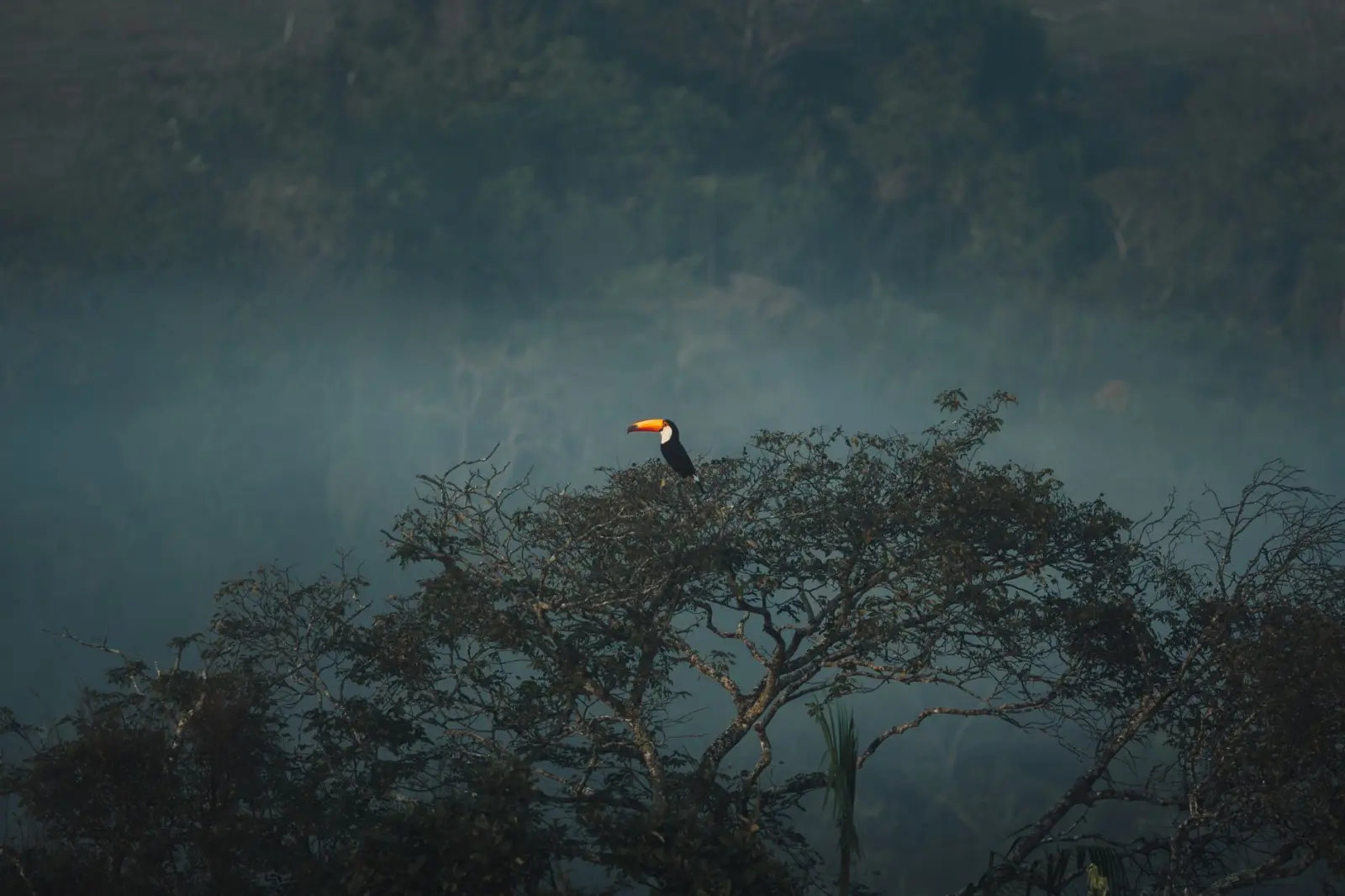
Bringing binoculars is standard, but many people underestimate how difficult it is to locate birds visually in dim light. Most of the dawn chorus happens when the canopy is still in shadow. You will hear birds you cannot see. This is normal and not a failure of the experience. Some of the best mornings I have had in rainforests involved hearing 30 or 40 species without seeing more than five or six. The sound itself is the primary experience at dawn. Expecting to see the birds is setting yourself up for disappointment.
The best locations for hearing rainforest birds at dawn share a common thread: they are positioned where sound carries, where bird density is naturally high, and where you can position yourself before the peak calling activity begins. The experience depends less on finding some magical hidden spot and more on understanding the timing, the acoustic properties of the forest type you are in, and managing your own physical and mental state during the early morning hours. The birds will call. Whether you hear them clearly depends almost entirely on these practical factors.