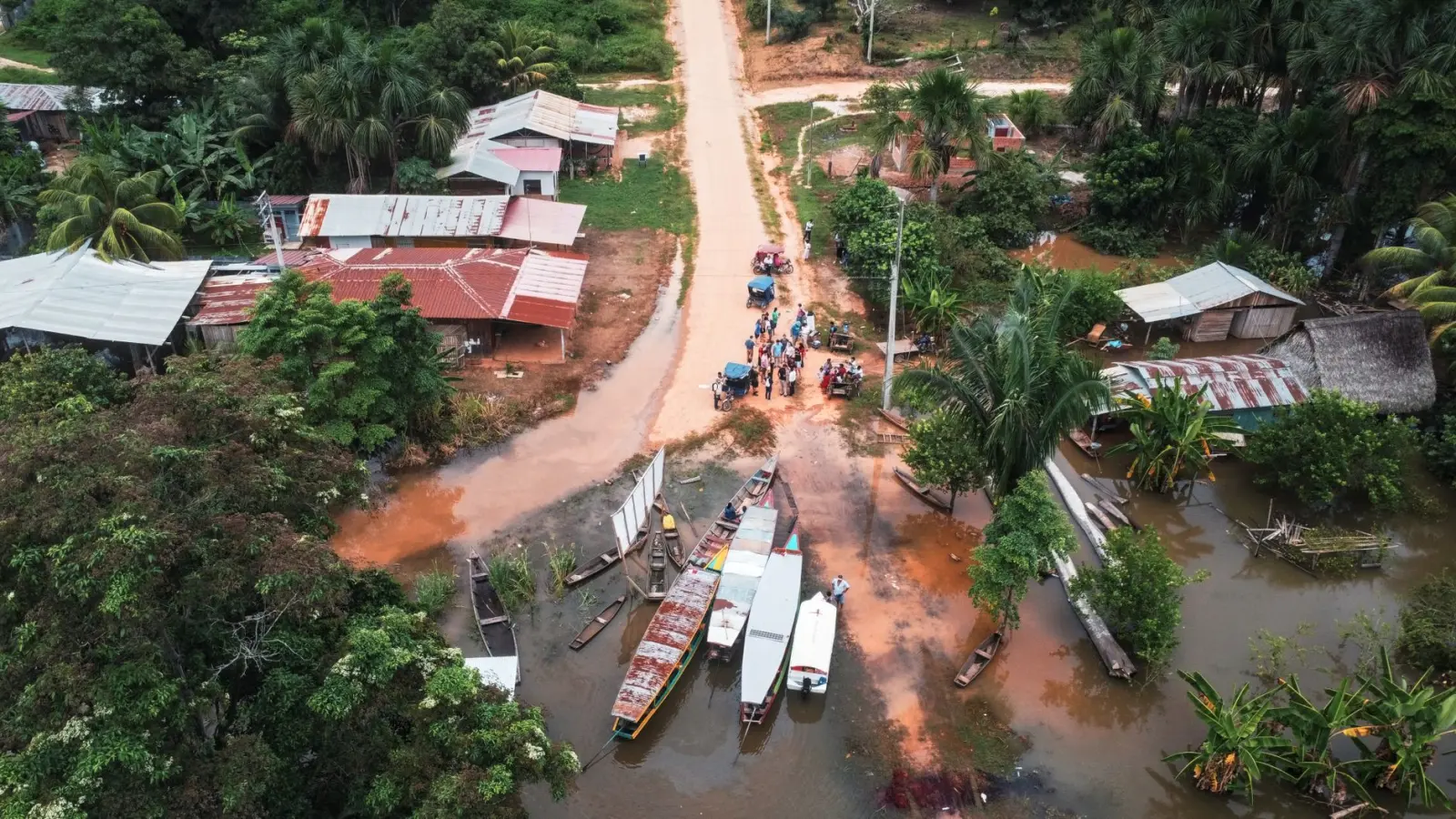
Spending time in flooded rainforests reveals something that textbook descriptions rarely capture: the sheer persistence of plants under water stress. I’ve walked through várzea forests in the Amazon during peak flood season when water levels rise 30 to 40 feet above the dry-season baseline, and what strikes you most is not the chaos, but the quiet adaptation. Plants don’t panic. They’ve been managing this cycle for millennia, and their survival mechanisms are far more nuanced than simply “tolerating” water.
The flooding itself is predictable in most rainforests. Seasonal rains and river overflow create annual or semi-annual inundation cycles. In some regions, this lasts weeks. In others, months. The water doesn’t drain quickly because rainforest soil structure and topography don’t favor rapid runoff. Instead, water settles, and plants must function in an environment where oxygen becomes scarce, soil chemistry shifts, and light penetration changes. What I’ve observed is that plants don’t respond to flooding as an emergency – they respond to it as a normal part of their growing season, which means their adaptations are built into their basic physiology rather than triggered as last-resort survival measures.
Root Systems That Breathe Differently
The most visible adaptation is in how roots behave during floods. Many rainforest trees develop what are called pneumatophores or aerial roots that emerge above the waterline. I’ve seen these on mangroves and on some floodplain species like kapok trees. These aren’t roots searching for water – they’re roots searching for air. They allow gas exchange when the main root system is submerged and oxygen-depleted.
But not all flooded rainforest plants have dramatic aerial roots. Many instead develop shallow, spreading root systems that stay in the upper soil layers where oxygen remains available during floods. This is a trade-off. Shallow roots can’t access deep water reserves during dry seasons, and they provide less structural support. Yet in a forest that floods regularly, the trade-off makes sense. I’ve noticed that trees with these shallow root systems tend to be smaller or have lower wood density, which also reduces their wind-resistance demands – important when you’re rooted in waterlogged, unstable soil.
Some plants go further and develop specialized tissues within their roots. Aerenchyma – air-filled channels that run through root tissue – allows oxygen to move from the shoot down into the root system even when the plant is partially submerged. This is common in herbaceous plants and smaller woody species in flooded areas. The channels look like tiny tunnels under a microscope, and they’re not accidental; they’re part of the plant’s developmental program. When a plant senses waterlogging, it can actually shift its root development to create more aerenchyma tissue. I’ve observed this in riparian species that experience both wet and dry conditions within a single year.
Leaf and Stem Strategies
Above ground, the adaptations are equally deliberate. Many rainforest plants in flood-prone areas have smaller leaves or leaves with a waxy, thick cuticle. This reduces water loss through transpiration, which is counterintuitive at first – you’d think a flooded plant wouldn’t worry about losing water. But the issue is more subtle. When soil is waterlogged, roots struggle to take up water because the soil is anaerobic. The plant can’t easily move water from soil to shoot, so reducing water demand through smaller leaves or thicker protective layers makes physiological sense.
Stem structure also changes. I’ve noticed that flood-tolerant rainforest species often have softer wood than their drought-adapted cousins. Softer wood is more flexible, which helps during floods when water pressure and currents can bend or stress trees. It also tends to have lower density, which means it’s easier for oxygen to diffuse through the tissue. There’s a trade-off in strength and longevity, but again, in an environment where flooding is predictable, flexibility matters more than maximum durability.
Some plants shed their leaves entirely during the flood season. This is less common in tropical rainforests than in temperate wetlands, but I’ve seen it happen. By dropping leaves, a plant reduces its metabolic demand and its transpirational water loss at a time when water uptake is compromised. It’s a form of dormancy without the cold trigger. The plant essentially pauses growth until water levels recede.
Metabolic Shifts and Anaerobic Survival
What happens inside the plant during extended flooding is where things get genuinely interesting. When oxygen becomes scarce, many rainforest plants shift from aerobic respiration to anaerobic pathways. This is metabolically expensive and produces toxic byproducts like ethanol and lactate, but it keeps the plant alive. I’ve worked with researchers measuring these compounds in flooded plants, and the levels spike within hours of waterlogging. The plant is essentially running on emergency fuel.
The problem is that anaerobic respiration generates far less energy per glucose molecule than aerobic respiration. A flooded plant is, in effect, running on a fraction of its normal energy budget. This is why growth slows dramatically during floods. The plant isn’t choosing to grow slowly – it’s physically incapable of producing enough energy to support rapid growth. Any resources the plant does generate are prioritized toward survival: maintaining root function, preventing cell death, and keeping the vascular system intact.
Some species produce compounds that help them tolerate the buildup of toxic anaerobic byproducts. Antioxidants accumulate in flooded plants, and certain enzymes are upregulated to break down harmful metabolites. This happens automatically; the plant’s stress-response system detects waterlogging and adjusts enzyme production within hours. It’s not a conscious response, but it’s remarkably effective. I’ve observed that plants with strong antioxidant systems tend to recover faster once water levels drop.
Seed and Reproduction Timing
Reproduction in flooded rainforests is timed carefully. Most flood-tolerant species flower and set seed during the dry season when conditions are stable. Flowering and fruit development require sustained energy and nutrient investment, and a flooded plant simply can’t afford that. So the reproductive cycle is synchronized with the dry season. Seeds germinate when water recedes, giving seedlings a window of stable soil and reliable water availability.
Some species have seeds that can survive extended submersion. I’ve examined seeds from várzea species that remain viable after months underwater. The seed coat is thick and impermeable, and metabolic activity inside the seed is minimal. When water recedes and conditions stabilize, these seeds germinate rapidly, taking advantage of the flush of nutrients released from decomposing organic matter that accumulated underwater.
What I’ve come to appreciate about rainforest plants in flooded environments is that their adaptations aren’t heroic or extreme – they’re pragmatic. These plants have been managing water stress for so long that the mechanisms are woven into their basic biology. Flooding isn’t a crisis; it’s a season. The plants that thrive are those that have learned to pause, conserve, and wait. When the water recedes, they resume growth without apparent damage. That’s not survival against the odds. That’s adaptation working exactly as it should.