The forest around Kondalilla Falls changes noticeably after rain, and most visitors don’t anticipate how much. I’ve walked these trails dozens of times across different seasons and weather patterns, and the post-rain environment presents a distinct set of conditions that require different thinking than dry-weather visits.
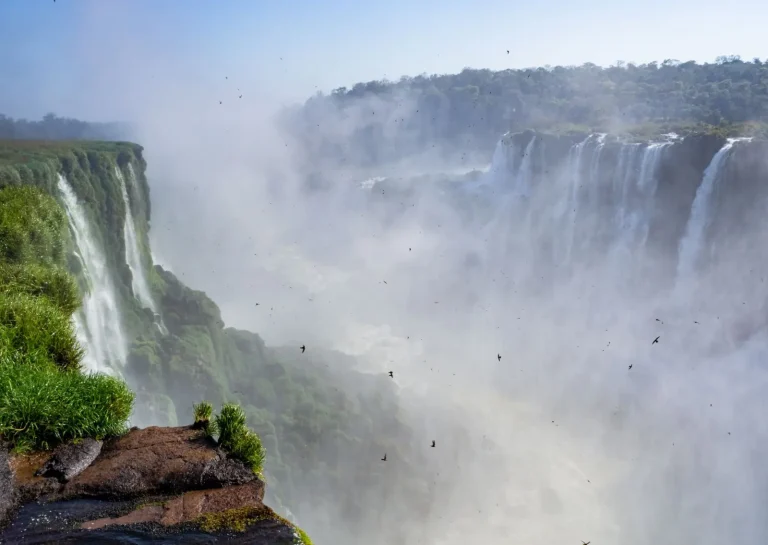
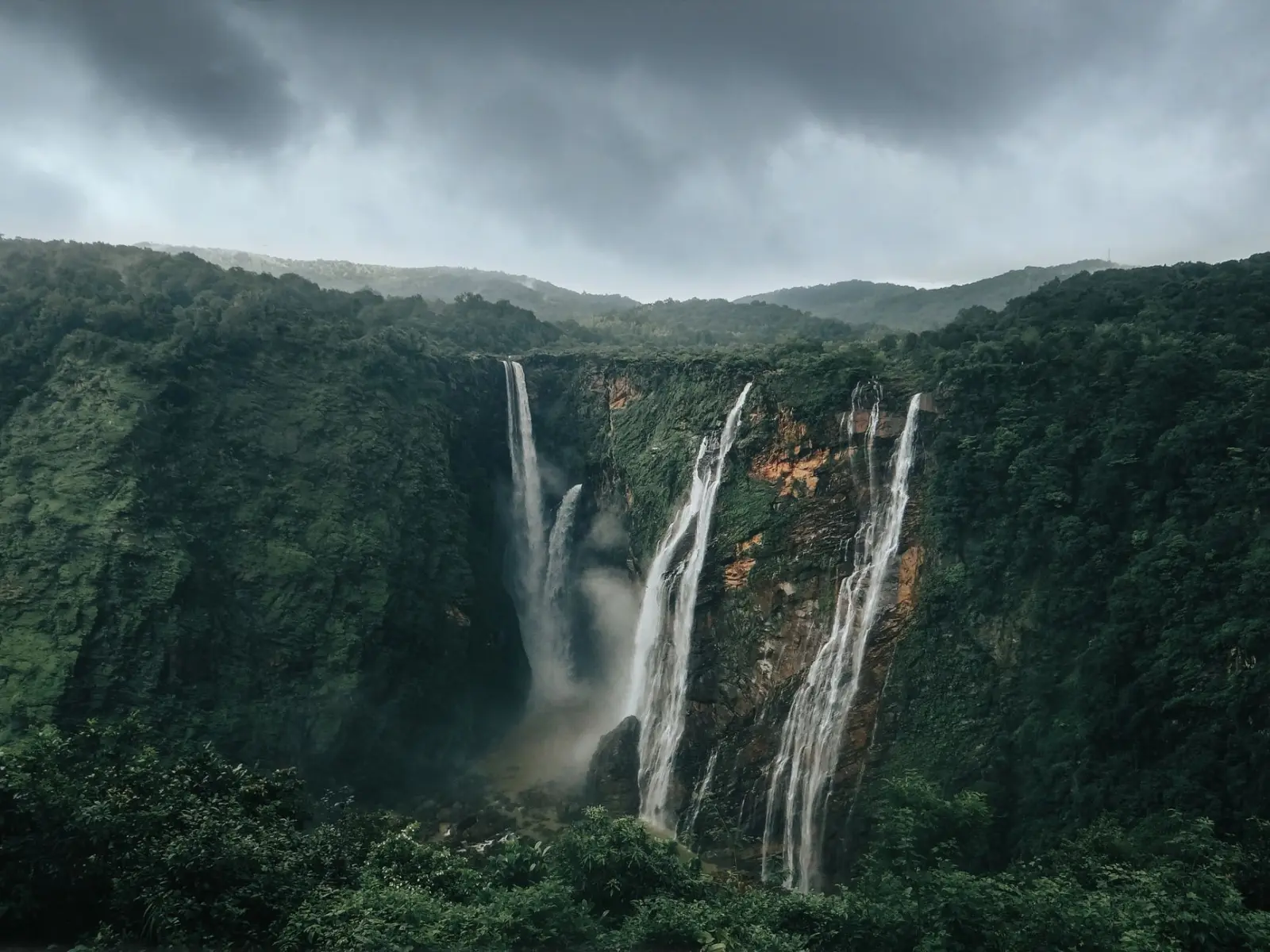
When rain has recently passed through the Kondalilla area, the first thing you notice is the sheer volume of water moving through the landscape. The falls themselves become considerably more powerful. The creek bed, which can be almost serene on dry days, transforms into a fast-moving channel with genuine current. The sound changes too – from a gentle background murmur to a constant roar that makes conversation difficult and masks other environmental cues.
The ground underfoot becomes the most immediate practical concern. The red volcanic soil that characterizes this region becomes slick within minutes of rain stopping. Even when the sky has cleared and sun is breaking through the canopy, the soil remains treacherous for several hours. Roots that normally provide decent grip become slippery hazards. I’ve seen confident walkers lose their footing on sections they’ve navigated a hundred times, simply because the conditions have shifted beneath them.
Water Crossings and Creek Behavior
If you’re planning to explore the full circuit around the falls, you’ll encounter creek crossings. After rain, these become genuinely hazardous. The water level rises quickly – often within the first 30 to 60 minutes after rain stops – and the current strengthens considerably. What might be a straightforward ankle-deep crossing in dry conditions can become chest-deep and fast-moving after moderate rainfall.
The creek temperature also drops noticeably. Water that has just run off saturated ground and through the forest canopy carries the chill of the higher elevations. This matters more than people realize. Immersion in cold water, even briefly, affects your ability to think clearly and move efficiently. I’ve watched people underestimate this and find themselves in genuine difficulty trying to cross a creek that looked manageable from the bank.
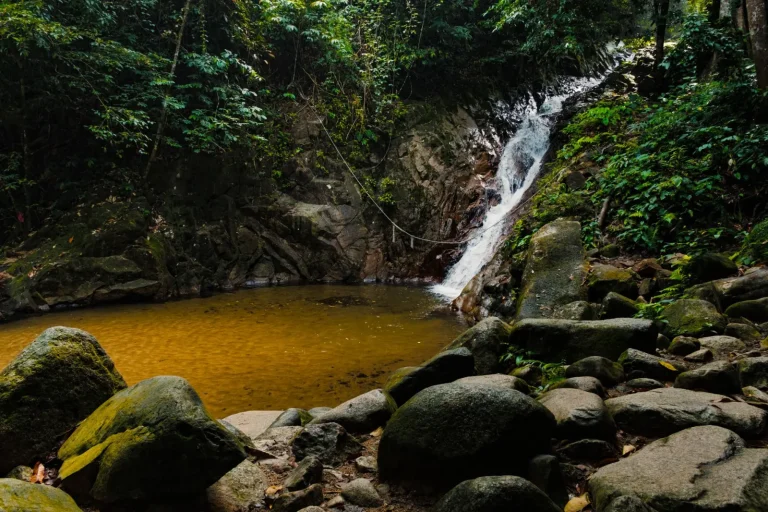
One detail that often gets overlooked: the water clarity changes. After rain, the creek becomes cloudy with suspended sediment. This means you can’t see rocks, holes, or the true depth of the water. You’re essentially stepping into opacity, which changes the risk calculation entirely. Rocks that would normally guide your foot placement become invisible.
Visibility and Navigation in Wet Conditions
The forest canopy becomes denser in appearance after rain, even though the trees haven’t changed. Water droplets cling to leaves and branches, and the light refracts differently through the moisture-laden air. The result is reduced visibility along the trail itself. Sections that feel open and well-defined on dry days can feel enclosed and confusing when wet.
Trail markers – whether they’re blazes on trees or cairns – become less obvious when wet. Lichen and moss on rocks darken and blend together. The visual contrast that helps you navigate diminishes. This is particularly relevant if you’re exploring less-trafficked sections of the forest or if you’re moving at a different pace than usual. Fatigue also compounds this issue. Wet conditions slow you down, and slower movement means you’re out in the forest longer, which increases the chance of becoming disoriented as light changes.
Flora and Fauna Shifts
The immediate post-rain period brings out certain wildlife behaviors that you won’t observe in dry conditions. Insects become more active as the humidity rises. Leeches, which are present year-round in this rainforest, become far more mobile after rain. They’re attracted to vibrations and moisture on skin. If you’re wearing shorts or have exposed legs, you’ll likely encounter them. They’re not dangerous in any serious sense, but they’re uncomfortable and require attention to remove properly.
Frogs and small reptiles become more visible. The increase in moisture and insect activity draws them out. You might hear more frog calls and see movement in the leaf litter that you wouldn’t notice on dry days. This can actually be interesting from a naturalist perspective, but it also means you need to watch where you’re stepping more carefully.
Plant growth appears more vibrant and active after rain, which is obvious in retrospect but worth noting. Fungi and mosses seem to proliferate visibly. The forest smells different too – earthier, richer, with that distinctive petrichor scent that comes from wet soil and decomposing organic matter. This isn’t just atmospheric; it’s a signal that the ecosystem is in a different state of activity.
Timing and Drying Patterns
The rate at which the forest dries out varies considerably depending on how hard the rain fell and how long it lasted. Light rain that stops quickly might leave the forest in a manageable state within an hour or two. Sustained heavy rain can leave conditions treacherous for four to six hours or longer, depending on sun exposure and wind.
The upper sections of the trail, which receive more direct sun exposure, dry faster than the lower sections near the creek. The creek valley itself, being shaded and receiving runoff from higher elevations, stays wet and dangerous longest. If you’re considering a visit shortly after rain, understanding this gradient matters. You might be able to walk the upper loop safely while the lower sections remain hazardous.
I’ve noticed that the forest dries unevenly. Exposed rock faces and open areas dry relatively quickly. Dense undergrowth and shaded sections stay damp for much longer. This means your route choice affects your experience significantly. Sticking to sunnier, more exposed sections will give you better footing than pushing through dense vegetation.
Practical Realities of Post-Rain Exploration
If you do venture into the forest after rain, movement becomes slower and more deliberate. Your pace naturally drops by 20 to 30 percent compared to dry conditions. This isn’t just because of slippery ground; it’s because your attention is divided. You’re watching footing, assessing water levels, and being generally more cautious. Plan your timing accordingly. A walk that takes 90 minutes in dry conditions might take two hours or more when wet.
Footwear becomes critical. Standard hiking boots with good tread help, but they’re not foolproof on slick volcanic soil. Trail shoes with aggressive tread patterns perform better than smooth-soled boots. Some experienced walkers in this area actually prefer approach shoes or even trail runners in post-rain conditions because the lighter weight and more flexible sole give better ground feel.
The decision to explore after rain ultimately depends on how recently the rain fell, how intense it was, and what sections of the forest you’re interested in. The upper areas and the main falls viewpoint can often be accessed safely within a couple of hours of rain stopping. Attempting creek crossings or exploring remote sections of the forest is a different calculation entirely. The reward of seeing the falls at full power has to be weighed against the genuine increase in hazard that wet conditions create.