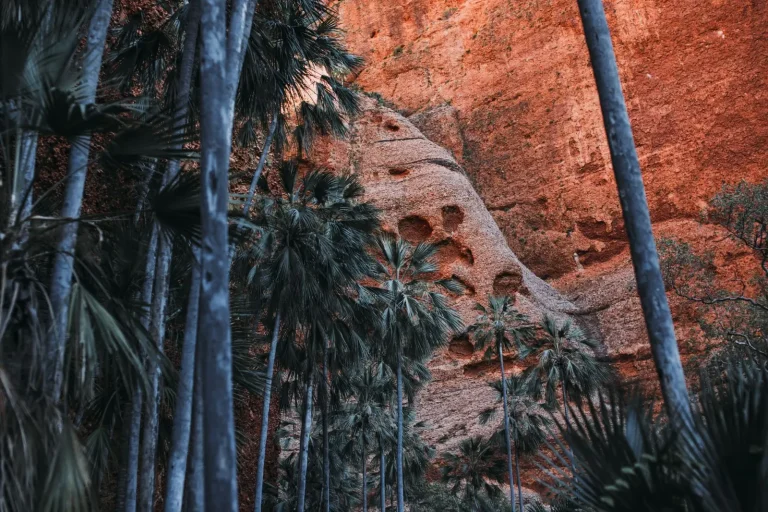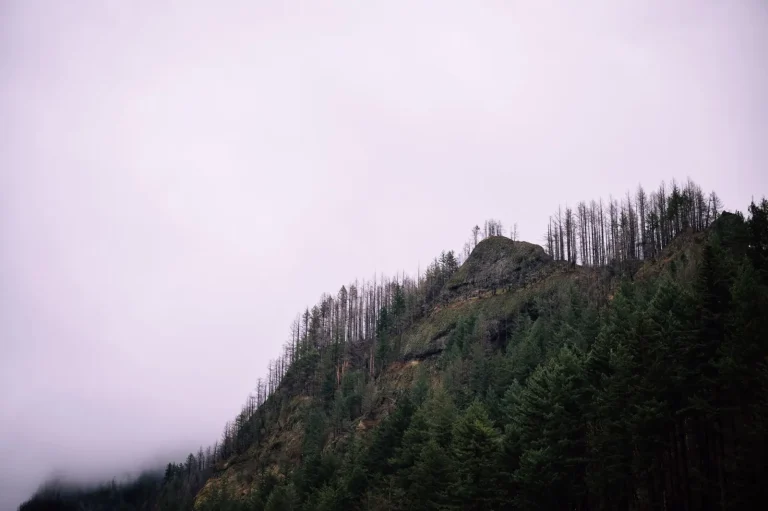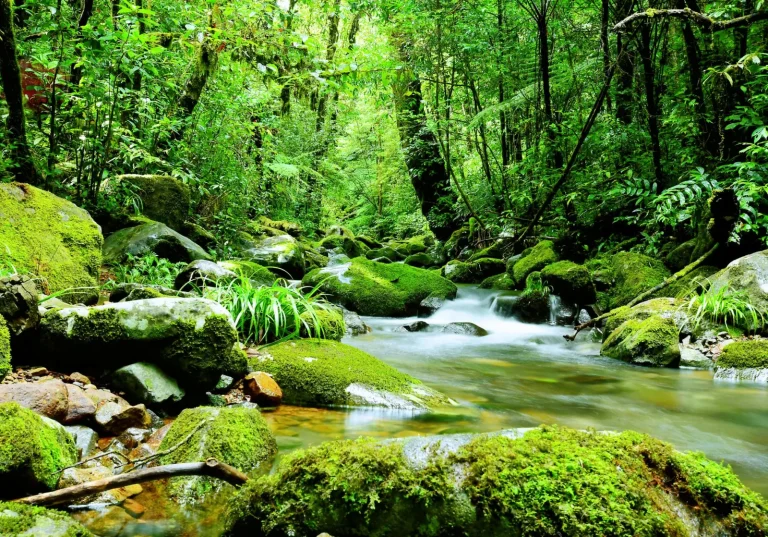

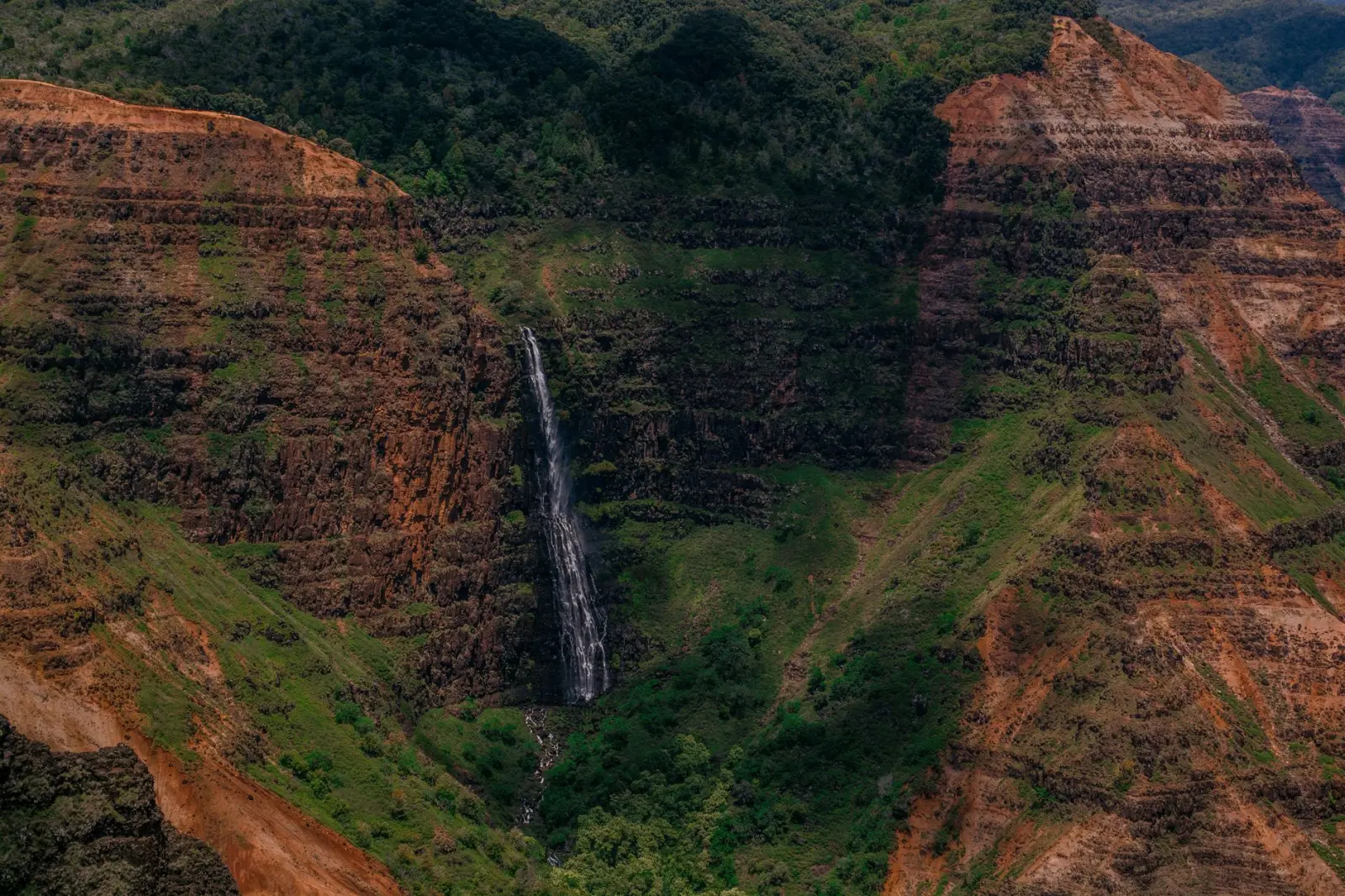
Sandstone cliffs create some of the most unusual microclimates on Earth, and the rainforests that grow beneath them operate under conditions that seem to contradict everything we assume about how tropical vegetation thrives. I’ve spent considerable time moving through these environments – in places like northern Australia, Southeast Asia, and parts of South America – and what strikes you first is how densely packed the vegetation becomes in the shadow of the rock face. It’s not sparse or struggling. It’s lush, layered, and often impenetrably thick. The mechanism behind this isn’t mysterious once you start observing the actual conditions on the ground.
The fundamental advantage of a sandstone cliff is water retention and consistent moisture delivery. Sandstone is porous, and when rain falls on the upper surface, much of it doesn’t run off immediately. Instead, it percolates downward through the stone matrix and emerges as seepage along the cliff face, sometimes as obvious streams, sometimes as a constant, barely visible dampness that keeps the rock and soil perpetually moist. In tropical regions where rainfall is seasonal or variable, this underground water storage acts as a buffer. Plants growing at the base of the cliff have access to water even during drier months when exposed areas would be stressed. The shade created by the cliff amplifies this advantage by reducing evaporation. A fern or small tree growing in direct sun loses moisture rapidly through its leaves; the same plant in cliff shadow can operate on far less available water because it isn’t fighting constant heat and drying wind.
The Soil Problem and How Plants Adapt
The soil beneath sandstone cliffs is often shallow and unpromising. Sandstone doesn’t weather into rich, dark loam the way granite or basalt does. It breaks down into sand – coarse, nutrient-poor, and structurally unstable. I’ve dug into soil profiles at cliff bases many times, and what you typically find is a thin layer of organic matter sitting on top of sandy substrate that drains too quickly and holds almost nothing useful. Yet the vegetation there is often more vigorous than in the surrounding forest. This paradox resolves itself when you understand how plants in these spaces operate differently.
First, the organic layer accumulates rapidly. Leaf litter, dead wood, and other plant material break down in the warm, moist environment and create a thick humus layer that acts as a sponge. This layer is shallow, but it’s rich and it’s constantly replenished. Plants growing in cliff-base rainforests tend to have shallow, spreading root systems rather than deep taproots. They’re designed to exploit the organic layer and the seepage water, not to mine deep soil reserves. Epiphytes – plants that grow on other plants – become far more abundant in these environments. Mosses, lichens, orchids, and ferns colonize the trunks and branches of trees, and they feed on nutrients from dust, decaying plant matter, and minerals dissolved in the constant moisture. This is not a sign of poor soil; it’s an adaptation to it.
Light and the Vertical Forest Structure
The cliff itself modifies light availability in ways that actually favor certain types of rainforest development. The rock face reflects and diffuses light rather than blocking it entirely, creating a zone of dappled, consistent illumination that differs from both full sun and deep forest shade. This middle ground is ideal for shade-tolerant species that still need some light to photosynthesize efficiently. Many of the plants you find in cliff-base rainforests are specialists in this particular light regime. They have larger leaves than sun-adapted plants but thinner leaves than deep-shade specialists. The vertical structure of the forest becomes compressed. Trees don’t grow as tall because they don’t need to compete for light in the same way. Instead, the forest becomes densely layered with multiple canopy levels within a relatively short vertical distance.
The cliff also creates wind shadow. Tropical storms and seasonal winds lose force when they hit the rock face, and the vegetation in the immediate lee of the cliff experiences calmer conditions. This reduces mechanical stress on plants and means they don’t need to invest as much energy in structural support. Their stems can be more slender, their branching patterns more delicate. Over time, this shapes the entire character of the forest – it becomes fine-textured, intricate, and almost garden-like in its density and complexity.
Nutrient Cycling in Confined Spaces
Nutrients in cliff-base rainforests cycle through very tight loops. Because the space is confined and the vegetation is dense, very little biomass leaves the system. Fallen leaves and dead wood don’t wash away down slopes; they accumulate in place, break down, and their nutrients are reabsorbed by the plants growing there. I’ve observed that the organic layer in these environments can be surprisingly thick – sometimes 30 to 50 centimeters – despite the sandy substrate below. This thick humus layer is the real soil of the forest, and it’s maintained by the closed-loop recycling of plant material.
Fungi play an outsized role in this process. The constant moisture and abundant organic matter support extensive fungal networks, both visible fruiting bodies and the vast mycelial webs that connect plant roots and facilitate nutrient transfer. The sandstone cliff itself contributes minerals through slow weathering and through seepage water that carries dissolved minerals from higher elevations. These inputs, combined with the tight recycling of organic matter, create a self-sustaining system that persists even in the absence of the deep, rich soils that support rainforests in other settings.
When you move through these forests, you notice the smell – earthy, rich, sometimes almost fermented. That’s the smell of active decomposition and nutrient cycling happening at an accelerated pace. It’s a sensory indicator of how tightly integrated the system is, how little is wasted, how everything is being used and reused within the confined space.
The rainforests beneath sandstone cliffs are not marginal or secondary ecosystems. They’re highly specialized adaptations to a specific set of conditions. They persist because they’ve evolved to exploit advantages that other forests don’t have: reliable moisture, protection from wind and direct sun, and a nutrient-recycling system that works efficiently in a confined space. Understanding these forests requires moving past the idea that rainforests need deep soil and constant heat. They need water, nutrients, and the right light. Sandstone cliffs provide all three, just in a different package than the lowland forests most people picture when they think of the tropics.