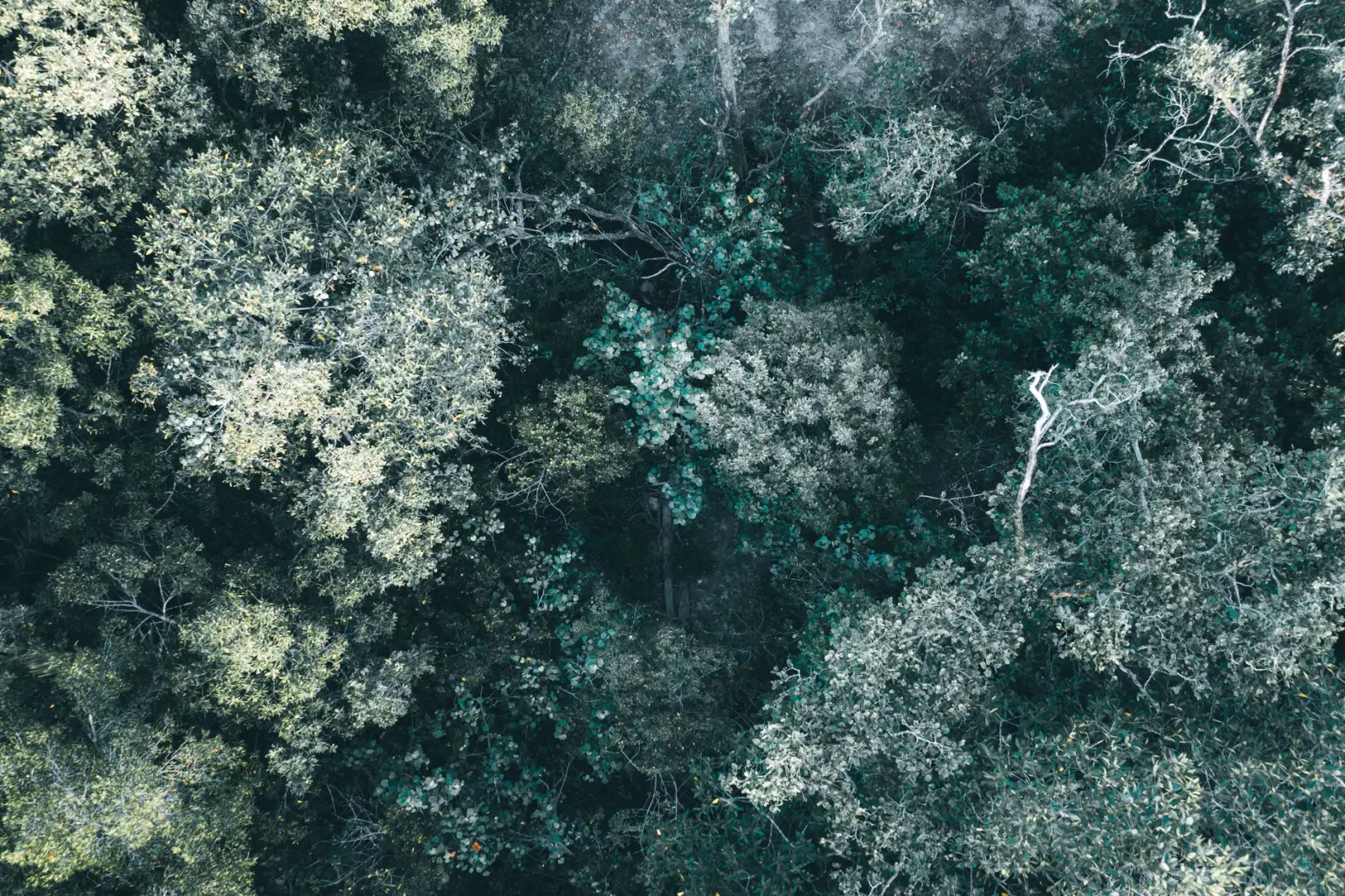
The rainforest patches scattered across southeast Queensland don’t read like the dense, continuous canopy you might imagine from travel writing. They’re fragments – sometimes only a few hundred meters across, sometimes stretching inland for several kilometers – interrupted by cleared land, suburban sprawl, and agricultural zones. After spending considerable time moving between these patches, what strikes you first is how much the experience depends on which fragment you’re visiting and what you’re actually prepared for when you arrive.
These aren’t remnants of a single ecosystem that was simply cleared around the edges. They’re isolated pockets that have evolved under different pressures depending on their size, elevation, and how long they’ve been protected. The larger patches near the McPherson Range and around the Lamington Plateau retain more of their original character. Smaller patches closer to the coast or in the hinterland regions have shifted toward different species composition and structural patterns. The practical outcome is that each visit feels distinct, even when you’re only driving an hour between locations.
Access varies considerably depending on the patch. Some sit within national parks with established walking tracks, facilities, and clear entry points. Others are harder to locate, require private land access, or involve longer walks through less-maintained terrain. The difference between a well-known spot and a lesser-visited patch often comes down to infrastructure rather than ecological value. A patch with a carpark and marked trails will draw regular visitors; an equally interesting fragment without those features might see only occasional foot traffic.
What the Isolation Actually Means
The fragmentation of southeast Queensland’s rainforests has real ecological consequences that become obvious when you’re moving through them. Larger patches support fauna that smaller ones simply cannot maintain. You’re more likely to encounter native birds, reptiles, and mammals in the more substantial reserves. Smaller patches tend toward edge effects – more light penetration, different soil moisture patterns, and a shift toward species that tolerate more disturbance. This isn’t a value judgment; it’s just what happens when a forest loses continuous habitat.
The isolation also means that many patches function as refuges rather than as complete ecosystems. They hold species that depend on rainforest conditions but can’t migrate between patches easily. Some patches are actively managed to support particular species or to restore degraded areas. Others are simply protected from further clearing and left to develop on their own trajectory. The management approach shapes what you’ll see and how the forest feels when you walk through it.
Timing and Physical Reality
Visiting these patches requires realistic expectations about timing and effort. The subtropical climate means the rainforest is active year-round, but the experience changes seasonally. Summer months bring higher humidity, more insect activity, and occasional heavy rainfall that can make walking tracks slippery and difficult. Autumn and winter offer clearer conditions and lower humidity, though some tracks can still be muddy after rain. Spring brings flowering activity and increased bird presence, which appeals to people interested in wildlife observation.
Most walking tracks through these patches range from 30 minutes to 2 hours for a reasonable loop. Fatigue tends to accumulate faster than you’d expect because of uneven terrain, root systems, and the physical effort of navigating a forest environment. Even well-maintained tracks involve steps, elevation changes, and sections where footing requires attention. This isn’t a criticism of the tracks; it’s simply the nature of walking through rainforest. Coming prepared with appropriate footwear, water, and realistic time estimates matters more than you might initially assume.
What You Actually See
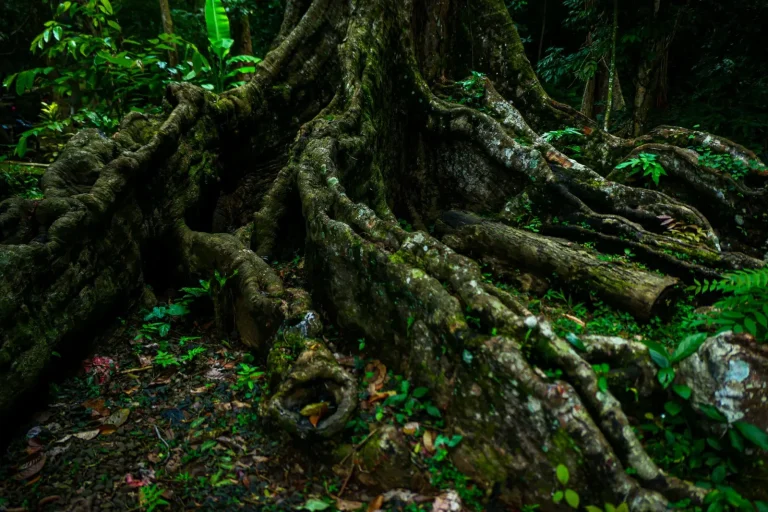
The biodiversity in these patches is genuine but often requires patience to observe. Bird activity tends to be highest in early morning and late afternoon. Daytime walking often reveals less obvious fauna – insects, small reptiles, and forest floor activity that takes attention to notice. The canopy structure varies between patches. Older, larger reserves have more developed vertical layering. Smaller or younger patches sometimes feel more open, with less understory development.
Plant diversity is substantial across most patches, but identification requires either a guide or prior knowledge. The visual appeal lies partly in the structure and atmosphere of the forest itself – the quality of light filtering through the canopy, the density of vegetation, the sound environment – rather than in easily identifiable landmarks. This means the experience of moving through a rainforest patch is less about checking off specific sightings and more about spending time in a particular environment.
Seasonal changes are noticeable if you visit the same patch multiple times. Flowering periods bring color and attract specific fauna. Fruiting seasons support different bird species. Leaf fall and regrowth cycles shift the understory appearance. These patterns are more apparent when you’ve spent time in a particular location rather than making a single visit.
Practical Logistics
Most of the accessible rainforest patches in southeast Queensland are within 1.5 to 2 hours of Brisbane. The larger reserves like Lamington National Park and Springbrook National Park have established infrastructure – visitor centers, multiple walking tracks, and accommodation options nearby. Smaller patches might require more planning to locate and access. Some are within private land reserves or require coordination with local conservation groups.
Parking and facilities vary significantly. Major reserves have adequate carparks and basic facilities. Smaller patches might have limited parking or require walking from a roadside location. Weather can affect accessibility; heavy rain sometimes closes tracks temporarily, and muddy conditions persist longer in shaded forest areas than in open terrain.
The cost of visiting is generally low. Most national park entry is free or involves a modest daily fee. Accommodation and food depend entirely on where you base yourself. Staying in nearby towns like Canungra, Austral, or Boomerang means you can access multiple patches over several days without relocating accommodation.
The rainforest patches of southeast Queensland reward repeated visits more than single trips. Each patch has its own character, and the seasonal shifts create different experiences across the year. The fragmentation that defines these forests also means there’s genuine variety in what you encounter, even within a relatively compact region.