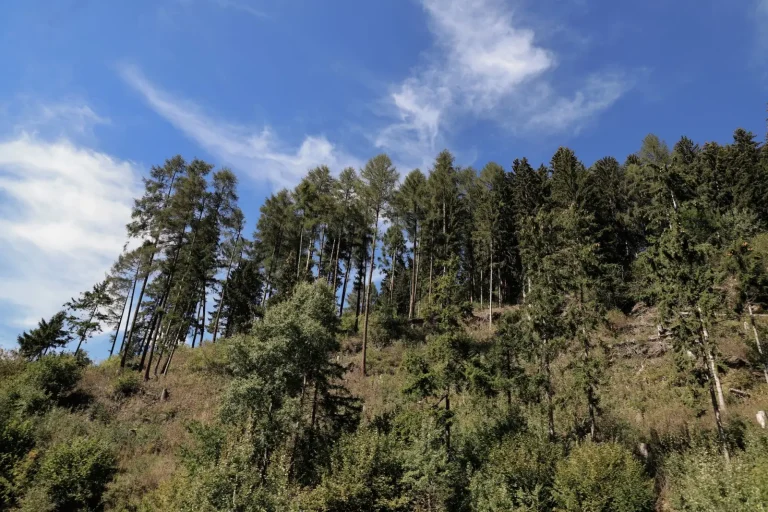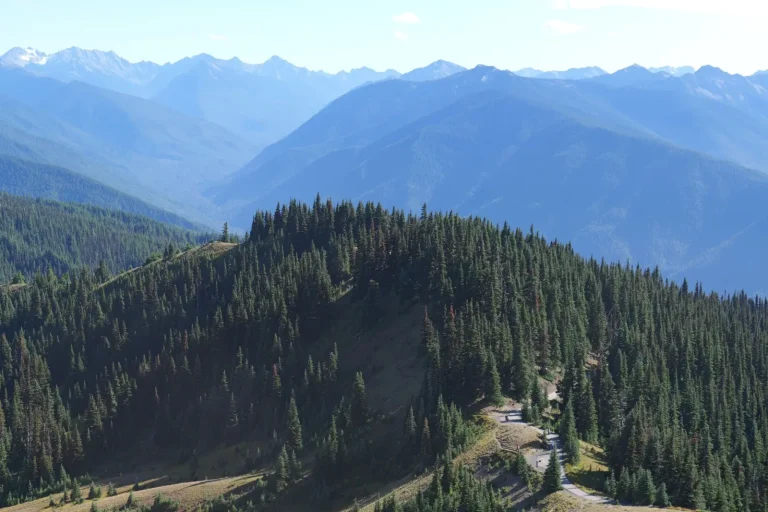

The Great Otway National Park sits in southwestern Victoria with a reputation built largely on its tall timber and fern gullies. People arrive expecting a straightforward walk through old-growth forest, which is accurate enough in broad strokes. What they often don’t anticipate is how the forest itself shapes the experience – not as a backdrop, but as a series of practical constraints that accumulate over hours.
I’ve walked these trails across different seasons and times of day, and the forest’s character shifts noticeably depending on when you move through it. The canopy is dense enough that light remains relatively dim even at midday. This affects not just what you see, but how your body reads time and exertion. Without clear sun position overhead, it’s easy to lose track of how long you’ve been walking. Your legs might be telling you it’s been two hours when it’s only been ninety minutes, or vice versa. The constant shade also means temperature regulation becomes subtle – you don’t feel the sun’s direct heat, so you can overheat without realizing it, especially on the steeper sections where the trail climbs through switchbacks.
The Ground and What It Demands
The forest floor here is rarely stable in the way that maintained park trails elsewhere might be. Much of the walking surface consists of root systems, loose stones, and decomposed organic matter that shifts slightly underfoot. This isn’t dangerous in the technical climbing sense, but it requires constant small adjustments in balance and foot placement. Your ankle and calf muscles work harder than they would on a compacted dirt path. After three or four hours, this accumulation of micro-adjustments creates a specific kind of fatigue that doesn’t show up immediately – you notice it the next day, often in muscles you didn’t expect.
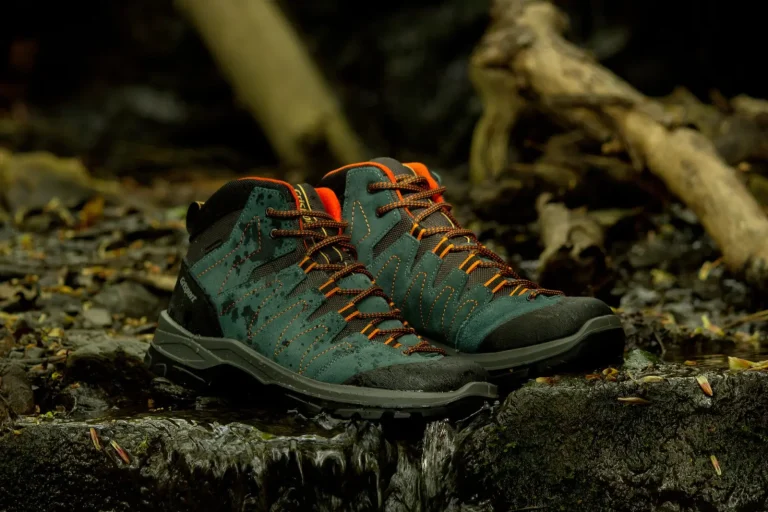
Water drainage through the forest is another factor that shapes the walking experience. Even when there hasn’t been recent rain, the ground in gullies and low sections remains damp. Moss grows thick on rocks and fallen logs, making anything wet extremely slippery. I’ve seen people lose their footing on what looked like a simple step down because the moss-covered stone had no grip at all. The park’s fern gullies, which are visually impressive, are also the dampest sections. If you’re walking in cooler months or after rain, these sections can be genuinely treacherous. Proper footwear with genuine grip becomes non-negotiable rather than optional.
Navigation and Trail Markers
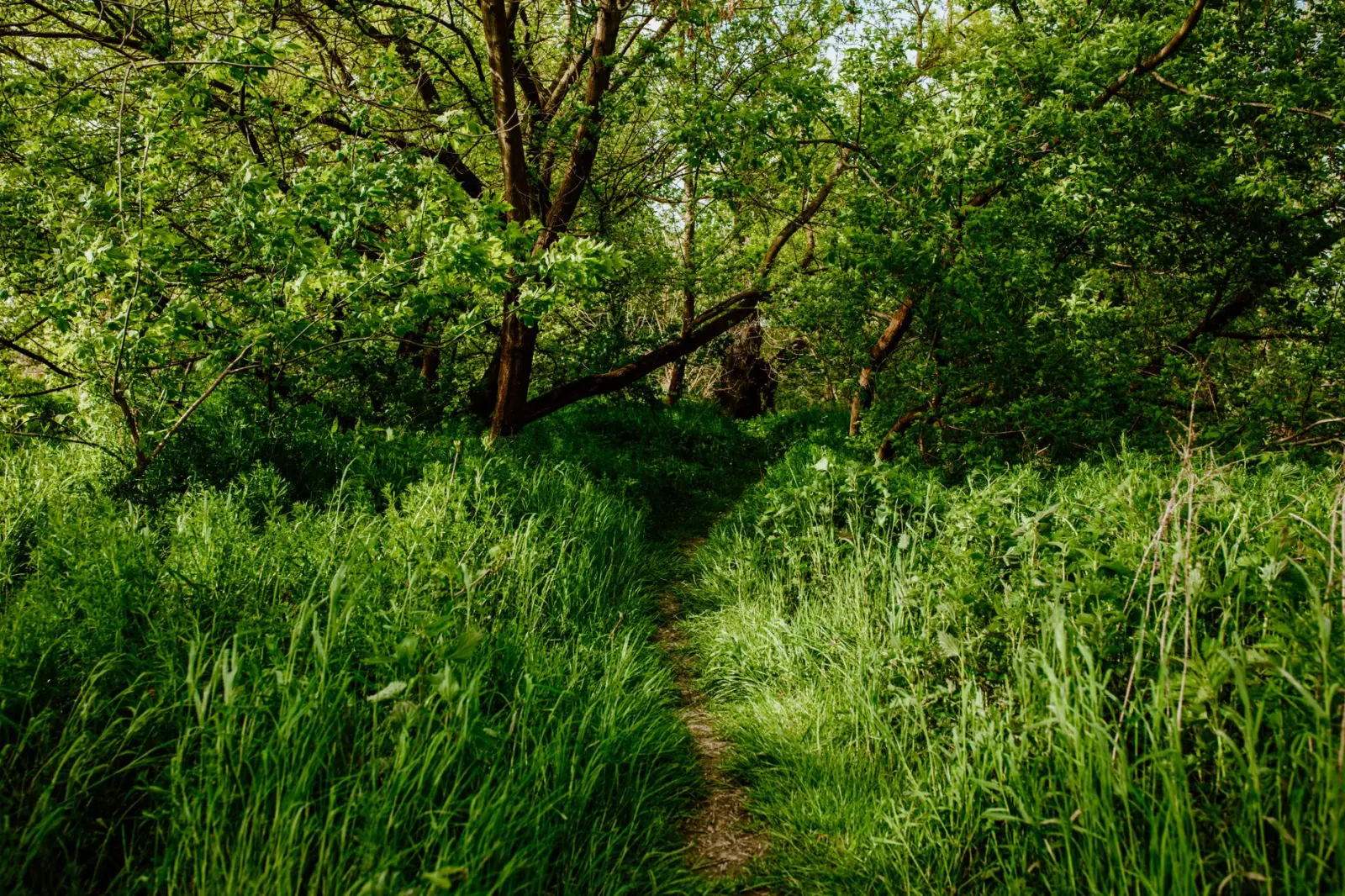
The main trails through Great Otway are marked, but the marking system is inconsistent. Some sections have clear blazes painted on trees at regular intervals. Other stretches rely on worn ground and cairns that may or may not be obvious depending on light and angle. The forest’s density means that if you step off the main path, it becomes disorienting quickly. The trees and ferns look similar in all directions, and the canopy prevents you from using the sun for orientation. I’ve watched people wander off-trail for ten minutes before realizing they’d lost the path, and in dense forest, that’s enough to create real uncertainty about which direction to return.
The trail junctions are sometimes marked with signs, but not always clearly. If you’re planning a loop walk or connecting different sections, you need to pay attention at intersections rather than relying on intuition. The forest doesn’t provide visual landmarks that would help you remember “I turned left at the big tree” – there are many big trees, and they all look similar. Carrying a map and knowing which direction you’re heading is practical rather than paranoid.
Timing and Distance Reality
Park signage typically estimates walking times, and these estimates tend toward optimism. A trail marked as a two-hour walk often takes closer to two hours forty minutes when you account for the actual pace required on uneven ground. If you’re walking with someone less experienced or taking time to observe the environment, add another twenty to thirty minutes. This matters because it affects when you’re walking in diminishing light. The forest gets noticeably darker in late afternoon, and once you’re past about 4 p.m. in winter months, the light quality deteriorates rapidly. Starting a walk at 2 p.m. thinking you’ll be out by 4:30 p.m. can leave you finishing in near-darkness.
Distance markers along the trails are sparse. You might see a sign at the start saying “Waterfall: 4 km,” but then nothing for the next hour. This creates a psychological effect where you lose confidence about how far you’ve actually traveled. You start checking your watch more frequently, wondering if you’ve somehow missed a turn or if the distance estimate was wrong. In reality, you’re probably fine, but the forest’s monotony and lack of progress markers work against your sense of forward momentum.
Weather and Seasonal Patterns
The forest’s canopy provides shelter from direct sun and wind, which is genuinely pleasant in summer. In cooler months, that same canopy traps moisture and cold. A day that feels mild in the open can feel quite cold under the trees, especially if you’re stationary or moving slowly. Conversely, if you’re exerting yourself on an uphill section, you warm up quickly and can overheat before you realize it. Layering becomes important not as a theoretical concept but as a practical necessity for managing temperature swings across a few hours.
Rain changes the forest significantly. The canopy doesn’t prevent rain from reaching the ground, but it does slow it down and create dripping that continues long after the rain has stopped. The already-slippery moss becomes genuinely hazardous. The light becomes even dimmer. Visibility on the trail decreases because you’re watching your footing more carefully. What was a pleasant three-hour walk becomes a cautious four-hour experience where you’re concentrating hard on not slipping.
Physical Preparation and What Works
People often underestimate the physical demand because the trails don’t look steep on a map. The elevation gain might be modest, but the uneven ground and constant balance adjustments make the walk harder than the numbers suggest. If you’re not regularly walking on uneven terrain, your legs and stabilizer muscles will protest. The walks are entirely doable for people of average fitness, but they’re not casual strolls. Proper walking shoes with good ankle support and real sole grip are worth the investment if you’re planning more than one walk.
Hydration is straightforward in theory but easy to misjudge in practice. The cool forest and lack of obvious sun exposure mean you don’t feel as thirsty as you would in open terrain. People regularly finish walks slightly dehydrated without realizing it. Carrying water and drinking regularly rather than waiting until you’re thirsty works better than trying to gauge it in the moment.
The Great Otway forests reward patience and attention. They’re not dramatic in the way that mountain ranges or coastal cliffs are. Their appeal comes from immersion – the texture of the forest, the sound of water moving through gullies, the density of life around you. Walking through them successfully means respecting the terrain’s actual demands rather than the simplified version that exists in travel guides.