
The forest around Kondalilla Falls sits in a pocket of subtropical rainforest on the Blackall Range, and it rewards patience more than speed. I’ve walked these trails in different seasons and times of day, and the experience shifts considerably depending on when you arrive and what you’re willing to accept about the terrain. The falls themselves are the obvious draw, but the forest surrounding them is where most people either find their rhythm or start wishing they’d chosen a different walk.
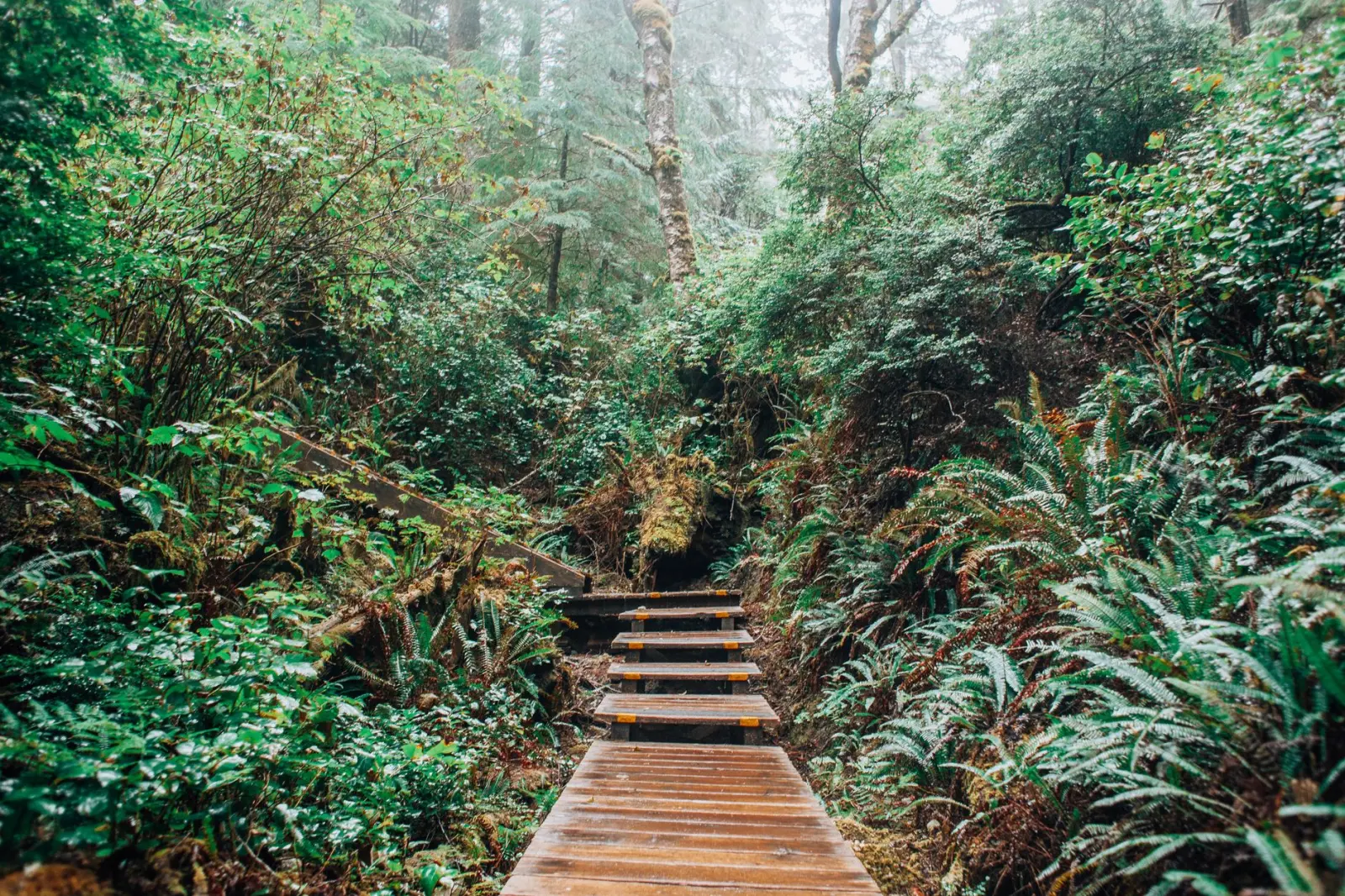
The main approach from the car park follows a well-maintained track that descends through open forest before transitioning into denser vegetation. This first section feels deceptively easy. The grade is gentle, the path is clear, and you can move at a reasonable pace. Most walkers arrive expecting this to continue all the way to the falls. It doesn’t. After perhaps fifteen to twenty minutes, the character of the walk changes. The forest closes in, the canopy thickens, and the track becomes narrower and more technical underfoot. Roots become prominent. Rocks emerge from the soil. The ground holds moisture even on days when the wider landscape is dry.
What strikes me most is how quickly light levels drop once you’re properly into the rainforest section. If you’ve started late in the afternoon, you’ll notice this shift acutely. The canopy filters so much light that you move into a kind of permanent dusk, even at midday. This isn’t a problem in itself, but it means your eyes take time to adjust, and uneven footing becomes harder to judge. I’ve seen people who started confidently slow considerably once they realise how much attention the ground demands.
The Terrain and Timing
The descent to the falls covers roughly two kilometres, but distance is misleading here. Elevation change matters more than the map distance suggests. You’re dropping into a valley, and while the gradient isn’t steep enough to be punishing, it’s consistent. The return climb is where people feel the work. I’ve watched fit walkers underestimate this return leg and end up moving slowly in the final section, especially if they’ve lingered at the falls longer than planned.
The track surface changes frequently. Early sections have compacted earth and scattered rocks. Middle sections become root-heavy and require deliberate foot placement. Closer to the creek, the ground softens. After rain, sections become genuinely slippery, and I mean that literally – the exposed tree roots become polished and treacherous. Wet rock is another hazard that appears closer to the water. Even experienced walkers find themselves moving cautiously through these sections. It’s not dramatic, but it’s real.
Timing your walk matters more than most people realise. Morning light is better than afternoon light for seeing where you’re stepping. The forest is also quieter, and you’re more likely to encounter wildlife without startling it. I’ve walked this trail at different times and found that starting early changes the entire experience. You’re not rushed. You can move at the pace the terrain actually demands rather than the pace you think you should move at.
Water and Creek Crossings
The creek itself is usually manageable, but this varies with recent rainfall. In dry periods, you might step across on rocks with barely wet feet. After heavy rain, the creek rises and the crossing becomes a genuine consideration. I’ve seen the water move fast enough that people decide to turn back rather than attempt it. There’s no shame in that. The creek isn’t deep, but current and slippery rocks are a real combination. Waterproof boots or the acceptance of wet feet is practical thinking rather than optional.
The area immediately around the falls is where most people stop, and it’s easy to see why. The pool below the falls is cold and clear, and the rock formations create natural viewing spots. The temptation to linger is strong, and I’d say most people spend twenty to thirty minutes here. That’s fine, but it’s worth factoring into your total time. If you’re walking in a group with varying fitness levels, this is where the slower walkers catch up and everyone can rest together.
What the Forest Actually Offers
Beyond the falls, the forest itself is worth noticing. The vegetation is genuinely rainforest – not the dry sclerophyll forest that covers much of Queensland. Tree species are denser here, and you’ll see ferns, vines, and understory plants that don’t exist in the drier areas above the range. The sound changes too. Water is constant, either from the creek or dripping from the canopy. Bird calls are frequent, though you’ll hear them more often than see the birds themselves.
Insects are present, as they are in any rainforest. Mosquitoes can be active depending on the season and recent moisture. Leeches appear after rain, particularly in the wetter sections near the creek. Neither is a reason to avoid the walk, but they’re worth acknowledging. Long sleeves and insect repellent are practical choices, not paranoid ones. I’ve walked this trail without them and regretted it. I’ve walked it with them and been grateful.
The forest floor itself is interesting if you’re inclined to notice it. The leaf litter is deep and rich, and it’s where most of the forest’s biological activity happens. Fungi are common, particularly after wet periods. Fallen logs are colonised by smaller plants and insects. If you’re moving slowly and paying attention, there’s a lot to observe in a relatively small area.
Most people complete the walk – down to the falls and back – in around ninety minutes to two hours. That assumes a moderate pace with a brief stop at the falls. Faster walkers can do it in less. Slower walkers or those stopping longer might need two and a half hours. The return climb is the variable. Some people find it energising. Others find it genuinely tiring, particularly if the morning has been hot and they haven’t drunk enough water. I’ve seen people underestimate this and arrive back at the car park more depleted than they expected.
The forest around Kondalilla isn’t technically difficult, but it demands respect for its conditions. It’s not a walk you can rush or do on autopilot. The terrain, the light, the moisture, and the gradient all require attention. That’s precisely what makes it worth doing. The falls are the destination, but the forest is where the actual experience happens.