

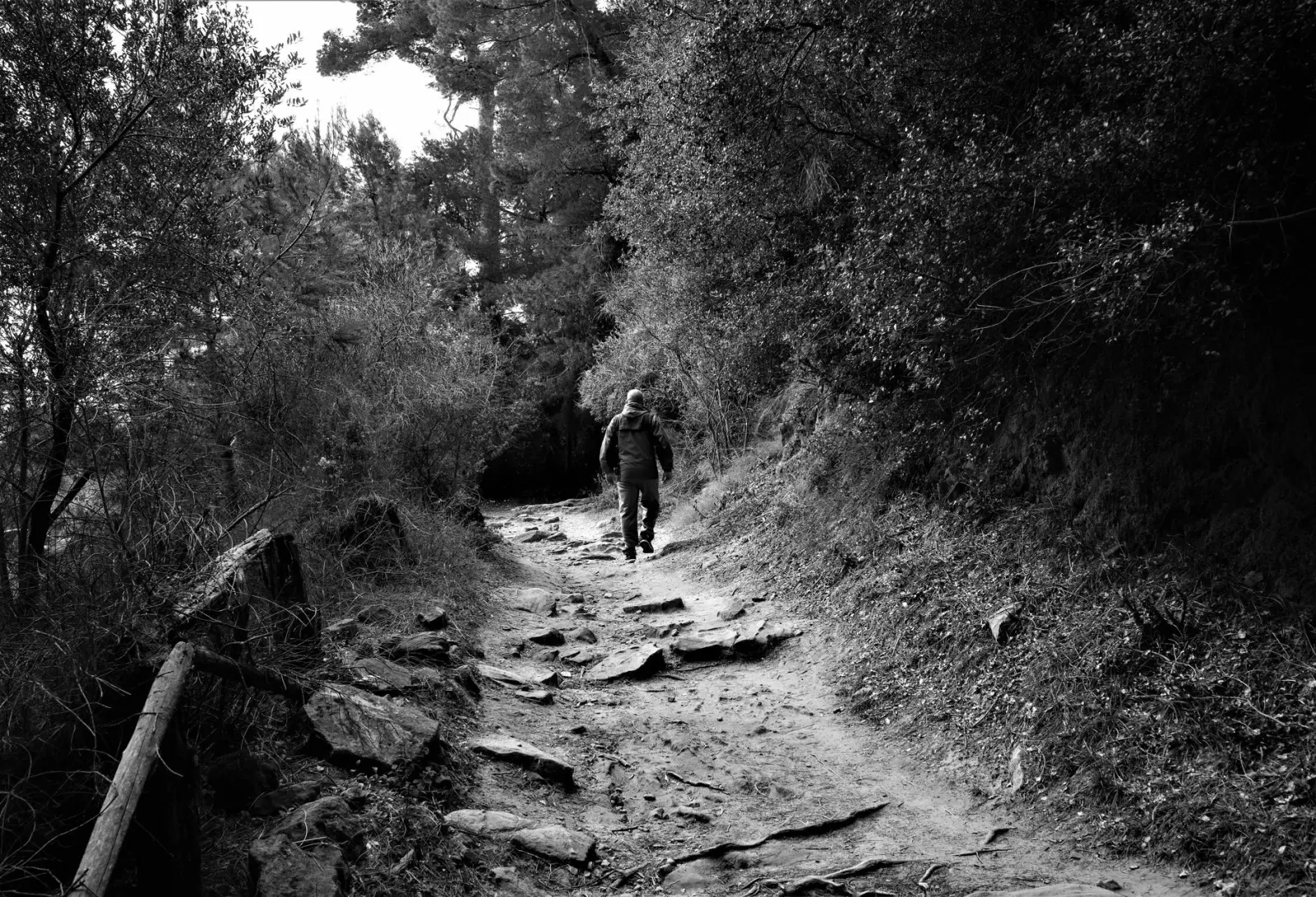
New England’s national park forests operate on their own rhythm, and that rhythm rarely matches what people imagine before they arrive. I’ve spent enough time moving through these woods to recognize the patterns – the way the terrain shifts without warning, how quickly weather changes the entire character of a walk, and which assumptions about “easy” trails tend to unravel within the first mile.
The forests themselves are deceptive in their appearance. From a distance, they look uniform and navigable. Up close, they’re a tangle of competing ecosystems at different stages of recovery and decay. Fallen trees aren’t obstacles placed neatly to the side of the path – they’re often woven across the trail in ways that force you to climb over, duck under, or find a detour. This isn’t a maintenance problem so much as a natural state. The park service clears major routes, but secondary trails and less-traveled sections accumulate deadfall faster than anyone can reasonably manage. After a windstorm or heavy snow, even marked trails become puzzles.
Terrain and Elevation Change
What catches most walkers off guard is the relentless elevation change. New England mountains don’t have the dramatic vertical relief of western ranges, but they don’t announce themselves either. A trail that looks moderately graded on a map often feels steeper in practice because the ascent is consistent – there are fewer flat sections to recover on. The ground itself varies constantly. You’ll move from packed earth to exposed rock, then into a section where the trail has eroded into a small ravine with roots and stones creating an uneven surface. Your feet and ankles work continuously to adjust.
The rock underfoot is another factor people don’t fully account for. New England’s granite and schist don’t provide the stable, grippy surface that some other regions offer. When wet, these rocks become genuinely slippery. I’ve seen experienced hikers lose their footing on what looked like a straightforward descent after rain. The moisture doesn’t just sit on the surface – it fills the grain of the stone and creates a thin, almost frictionless layer. Boots with good tread help, but they’re not a guarantee. The reality is that wet rock demands slower movement and more deliberate foot placement.
Weather and Visibility
The weather in these forests moves fast and often doesn’t match the forecast. Temperature swings of 15 to 20 degrees between trailhead and ridge are common, especially in spring and fall. What starts as a cool morning can become uncomfortably warm by midday, then drop again as clouds roll in. Most people dress for the starting temperature and either overheat or underdress as conditions change.
Fog is the other constant. It arrives without much warning and can reduce visibility to 30 or 40 feet. On a ridge or in an open area, this transforms the experience entirely. The landscape becomes abstract. Landmarks disappear. Even on marked trails, fog creates a sense of disorientation that’s harder to manage than you’d expect. Navigation becomes less about looking around and more about staying on the path itself, which means watching your feet and trusting the markers. People who are used to hiking in clear conditions often find this genuinely unsettling.
Trail Conditions and Navigation
The trail markings in New England forests vary widely. Some routes have blazes painted on trees every 50 feet or so, clearly maintained and easy to follow. Others rely on cairns or less frequent markings, and the distinction between the “official” path and worn social trails can blur. I’ve watched people confidently follow a well-worn path that wasn’t actually the marked route, only to realize 20 minutes later that they’ve drifted off course. This happens most often where multiple routes converge or where heavy foot traffic has created alternative paths.
Mud is persistent, especially in spring and after rain. Not the kind of mud that’s just annoying – the kind that grabs your boot and makes every step require deliberate effort. Some sections of trail become nearly impassable without picking your way carefully to the sides, where you’re walking through wet vegetation instead. The time cost of muddy terrain is real. What should be a 45-minute section can stretch to an hour or more.
Stream crossings appear on many routes, and their difficulty varies dramatically with water level. A crossing that’s straightforward in dry conditions becomes a genuine obstacle after heavy rain. I’ve seen people turn back because a stream they expected to step across was running too high and fast. The water is cold year-round, and the rocks are slippery. Even experienced hikers approach these carefully.
Physical Reality of Distance and Time
The distance estimates for New England trails tend to be optimistic. A 5-mile loop might be accurately measured, but the actual time required depends heavily on terrain and conditions. Steep sections, rocky footing, elevation gain, and navigation uncertainty all compress the pace. I’ve found that adding 25 to 30 percent to the estimated time is closer to reality for most people, especially on less-developed routes.
Fatigue accumulates differently in these forests than on smoother terrain. The constant micro-adjustments required for uneven footing tire legs and feet faster than steady walking on consistent ground. By the time people reach the halfway point, they’re often more tired than they expected to be. This is when decision-making becomes less sharp. People push harder to finish on schedule, which is when mistakes happen – missteps on rocks, missing trail markers, pushing through conditions that warrant turning back.
The return journey always feels longer than the outbound walk, even on the same route. Psychologically, you’re done with the “adventure” part and just want to be finished. Physically, your legs are fatigued and less responsive. The downhill sections, which should be faster, often aren’t because the impact on joints and the need for careful footing slow you down. This is when most minor injuries occur.
Walking through New England’s forests is straightforward in the sense that the trails are there and marked. But the experience is shaped by constant small challenges – terrain that demands attention, weather that changes unexpectedly, and the reality that moving through these woods requires more time and energy than the distance alone suggests. The forests aren’t hostile, but they’re not forgiving either. They reward preparation, realistic pacing, and the willingness to adjust plans when conditions warrant it.



