

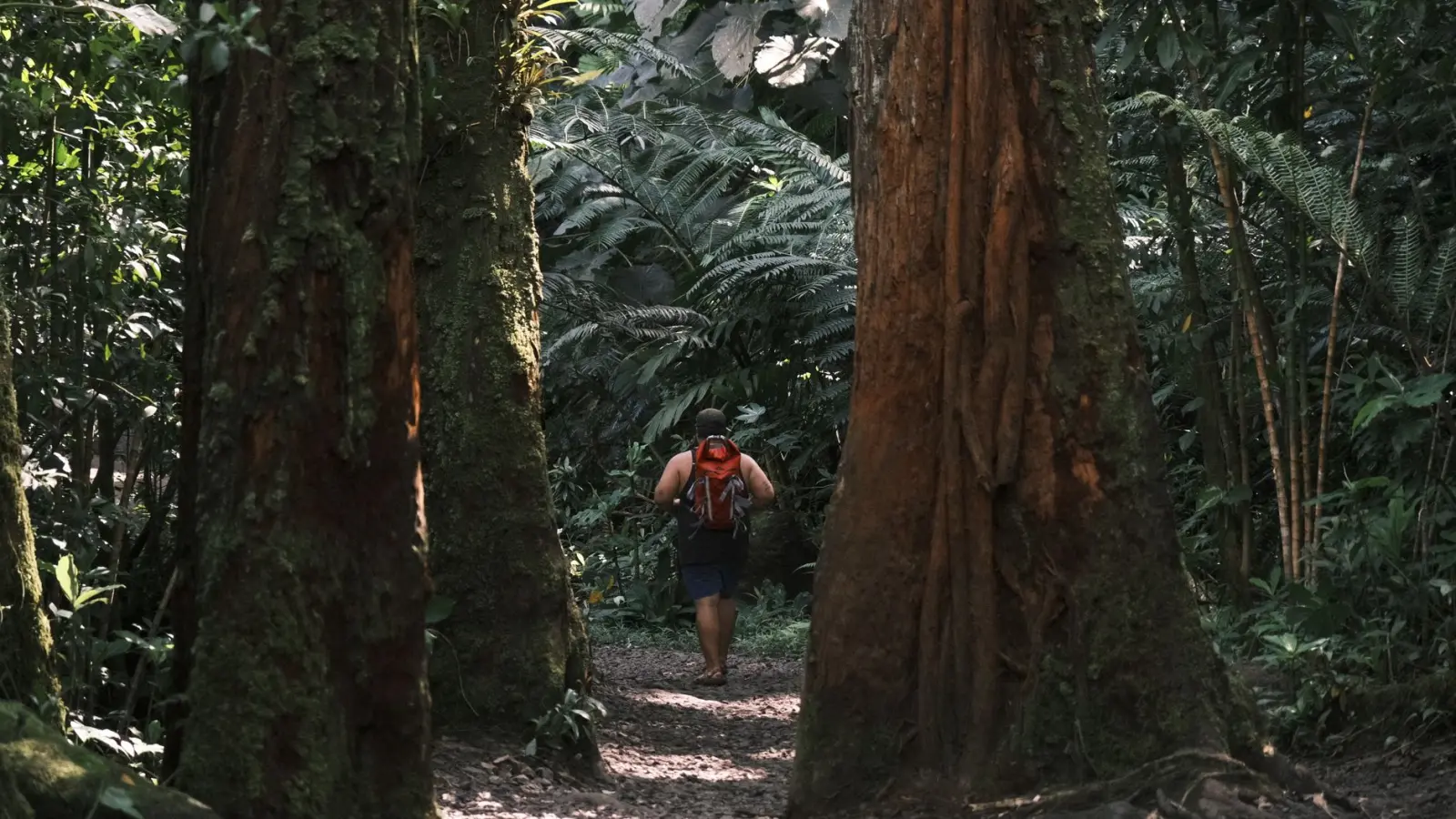
There’s a persistent myth that rainforests are somehow better experienced in dry weather. The opposite is often true. Rain is the rainforest’s natural state, and many of the best walks reveal themselves most honestly when water is moving through the canopy and soil. That said, wet rainforest hiking is a different animal from dry-season trekking, and the distinction matters for both safety and experience.
Most people assume rain makes rainforest walks worse. In reality, it makes them different in ways that can be genuinely preferable if you understand what’s changing. The canopy is more active. Bird calls carry differently through humid air. The forest floor becomes tactile rather than dusty. But the physical reality also shifts – footing becomes uncertain, visibility drops, and the walk takes longer. This isn’t a problem if you’ve adjusted your expectations and route choice accordingly.
Why Wet Conditions Expose Trail Quality
The first thing you notice on a rainy rainforest walk is which trails are actually well-maintained and which ones merely look maintained in dry conditions. A poorly graded path that feels fine in sunshine becomes a small stream within minutes of rain. A trail with inadequate drainage turns into a bog. Roots that are easy to step over become slick hazards. This sorting is useful information – it tells you which walks are genuinely managed and which are neglected.
Established rainforest trails in well-run reserves handle wet weather reasonably well. They have proper drainage, grading, and sometimes stone or wooden steps. The Inca Trail in Peru, despite its reputation for crowds, actually functions better in rain than many lesser-known routes because the infrastructure is designed to shed water. Similarly, major walks in Costa Rican reserves and Australian national parks tend to have adequate drainage systems. These trails remain walkable and relatively safe when wet, though slower and more demanding.
Secondary or less-trafficked rainforest trails often don’t have this infrastructure. They’re maintained by occasional volunteer work or park staff with limited budgets. In dry season, they’re fine. In rain, they become challenging or occasionally impassable. This is worth knowing before you commit to a walk. A trail that takes two hours in dry conditions might take four hours when wet, or might have sections where you’re essentially wading through mud or water.
Timing and Pacing in Rain
The practical reality of rainforest walking in wet weather is that everything takes longer. Not just because footing is slower, but because you need to move more carefully, and fatigue sets in faster. Wet boots and socks create friction and blisters. Damp clothing clings and chafes. Your legs work harder on slippery surfaces. A walk that feels moderate in dry conditions can feel genuinely strenuous when wet.
This has real implications for route selection. A six-hour rainforest walk in dry season might be genuinely dangerous to attempt in rain if you’re an average hiker. The same walk in rain might be better suited as a four-hour outing on a shorter, better-maintained trail. Many experienced rainforest guides automatically reduce their estimated walk times by 30 to 50 percent when conditions are wet, and this isn’t conservative – it’s realistic.
Starting early matters more in wet conditions than in dry weather. You want maximum daylight, and you want to be off the trail before late afternoon when light fades and footing becomes genuinely hazardous. A rainforest in full rain can be quite dark even at midday if the canopy is dense. Starting at 6 or 7 a.m. rather than 9 or 10 a.m. gives you a meaningful buffer.
Specific Routes That Perform Well When Wet
Certain rainforest walks are genuinely better in rain than others, and this is worth considering when planning. The Mossman Gorge walk in Australia’s Daintree Rainforest is one. The trail follows a river and is designed to handle significant water flow. In rain, the gorge becomes more dramatic, and the trail remains walkable because it’s built on solid stone and properly graded. The walk takes longer and feels more serious, but it’s safer than many alternatives.
In Central America, the trails around Monteverde Cloud Forest in Costa Rica are designed for wet conditions by necessity – the place is wet most of the year. The paths are well-maintained with good drainage and often have rope sections to assist on steeper, slippery terrain. The experience in rain is legitimate and manageable, though visibility is reduced and the walk feels more physically demanding.
The Kinabalu Park trails in Borneo vary considerably. Lower-elevation rainforest sections handle rain reasonably well if you’re on main routes. Higher sections become problematic quickly – not just slippery but genuinely dangerous in poor visibility. This is a case where route choice and knowledge matter enormously. Experienced guides know which sections are walkable in rain and which should be avoided or postponed.
In Southeast Asia, many rainforest walks in Thailand and Laos are less reliably maintained. A walk that’s straightforward in dry season can become genuinely difficult in rain, with sections of mud, water crossings, and slippery roots. This isn’t necessarily a reason to avoid them, but it’s a reason to go with a guide who knows the specific trail and current conditions.
Physical Preparation and Gear Reality
The standard advice about waterproof jackets and good boots is accurate but incomplete. What matters more is understanding that staying dry in a rainforest is essentially impossible, and the goal should be managing dampness rather than preventing it. Your feet will be wet. Your pack will be damp. Your clothes will stick to your skin. This is the baseline condition, not a failure of preparation.
What actually makes a difference is good footwear with real grip. Trail shoes with aggressive tread are worth the investment for wet rainforest walking. Waterproof boots can work, but they often trap moisture and increase blister risk. Lightweight, quick-drying shoes with good traction tend to perform better in practice. Gaiters help keep debris out of your shoes but don’t prevent water from entering – accept this and move on.
A pack cover or dry bag for essentials is practical. Wet electronics and wet first aid supplies create real problems. Everything else can be damp. Bring a change of socks if you’re on a longer walk, though even this is a minor luxury. Most experienced rainforest hikers simply accept wet socks and move forward.
What Rain Actually Reveals
Beyond the practical considerations, rainforest walks in wet weather show you something that dry-season visits often miss. The forest is more alive. Water drips, streams flow, the canopy moves. Birds and frogs vocalize more actively in rain. The smell is richer – wet earth, decomposing matter, green growth. If you’re interested in the rainforest as an ecosystem rather than as a scenic backdrop, rain is often when the most interesting activity happens.
Wet conditions also reduce crowds significantly. Most casual tourists avoid rainforest walks when it’s raining, which means you’re likely to encounter fewer people and more wildlife. This is a genuine advantage if you’re willing to accept the slower pace and physical demands.
The key is matching your expectations and route choice to actual conditions. A well-maintained trail on a major rainforest walk is genuinely walkable in rain if you’ve adjusted your timing and pace. A lesser-known trail or one with poor drainage becomes a different proposition entirely. The difference between a rewarding wet-weather rainforest walk and a miserable slog often comes down to knowing which trails actually function in rain and being realistic about how much slower and more demanding the experience will be. This is information worth gathering before you start, not something to discover halfway through.



