
Russell Falls sits in a pocket of wet forest that most people approach with incomplete expectations. The walk itself is short – roughly 3 kilometres return from the car park – but the forest around it operates on its own logic, and that logic doesn’t always align with what visitors imagine before they arrive. I’ve moved through this area many times across different seasons, and the consistency of certain patterns has become clear: the terrain is deceptive in its gentleness, the weather shifts faster than most people account for, and the forest floor behaves very differently depending on when you visit.
The standard walk to the falls takes somewhere between 45 minutes and 90 minutes depending on pace and how often you stop. That timing matters because it’s long enough to create real fatigue if you’re not accustomed to uneven ground, but short enough that many visitors underestimate the physical demand. The path itself is well-maintained and marked, which creates a false sense of simplicity. What the maintenance masks is that you’re walking on a slope almost the entire way, and the slope is constant rather than dramatic – the kind that doesn’t feel steep in the moment but accumulates in your legs and lower back by the time you’re heading back uphill toward the car park.
The Forest Floor and What It Reveals
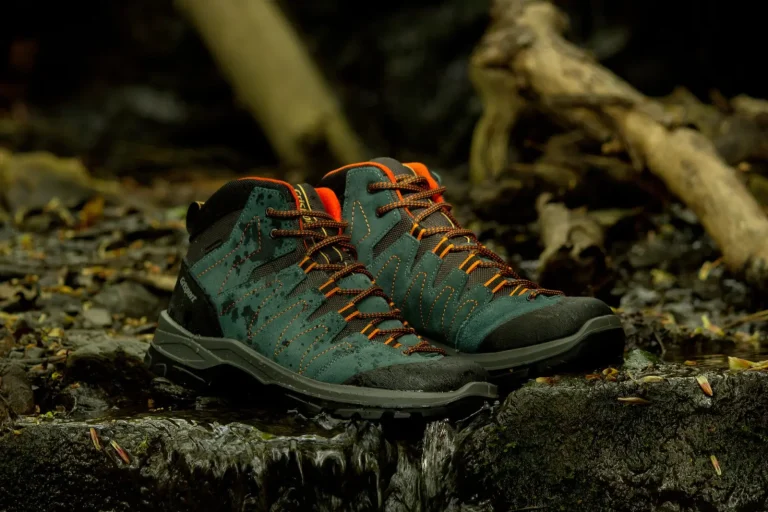
The immediate thing you notice about the forest around Russell Falls is how much water is present, even when it hasn’t rained recently. The canopy is dense enough that the ground stays damp most of the year. In winter and spring, the path can be genuinely muddy in sections, with water running across the track in places where drainage has pooled. In summer, the dampness persists but the mud firms up enough that you can move through without sinking. The problem isn’t usually the mud itself – it’s that people don’t adjust their footwear accordingly, and then they slip on what looks like solid ground but has a layer of algae or moss underneath.
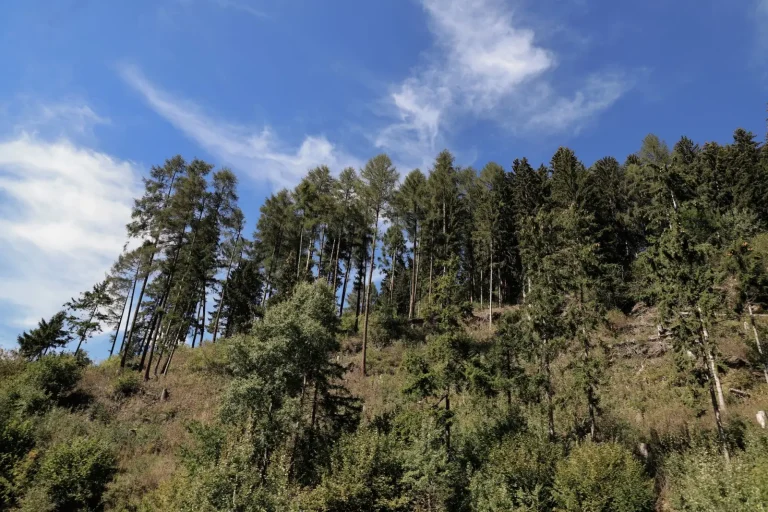
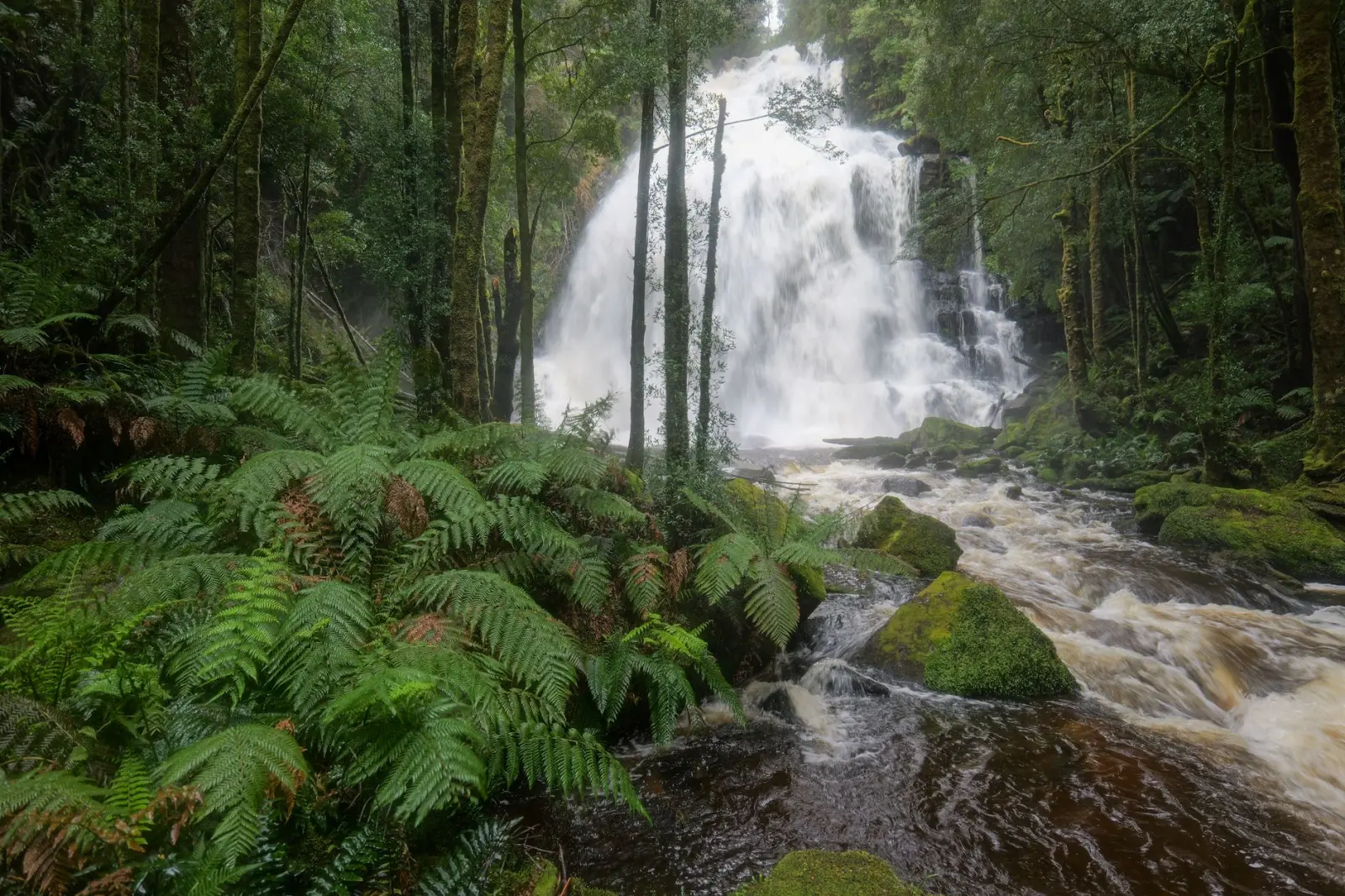
The vegetation changes noticeably as you descend toward the falls. You start in open forest with ferns and lower growth, and as the slope increases and the moisture intensifies, the forest closes in. The canopy gets thicker, the ferns become denser, and the light dims. This transition happens gradually enough that you don’t register it as a shift until you look back and realize how much darker it’s become. That darkness is partly aesthetic and partly practical – it affects how you see the ground, how you judge distance, and how quickly you can move safely.
Seasonal Variations That Matter
I’ve walked this forest in every season, and the experience changes enough that it’s worth understanding what you’re actually getting into depending on when you go. Summer visits tend to be crowded and relatively straightforward – the ground is firm, the light is good, and the falls themselves are running at moderate volume. Spring brings the most water to the falls, which is visually impressive, but it also means the forest floor is at its wettest and the track is at its slipperiest. Autumn is often overlooked but tends to be the most pleasant time to move through the forest – fewer people, firmer ground, and the light quality is better than summer.
Winter is where things become genuinely different. The falls run hard, the ferns stay green, but the track becomes a water channel in places. I’ve seen people turn back in winter not because of danger but because they weren’t prepared for how wet everything becomes. The temperature stays mild by most standards, but the combination of dampness and shade means you cool down faster than you’d expect if you stop moving.
What Tends to Go Wrong
Most problems I’ve observed come down to footwear and pace. People arrive in runners or casual shoes and discover too late that the ground is slick. This isn’t catastrophic on a marked track, but it creates hesitation, slower movement, and unnecessary tension in the legs. The second issue is pace – visitors often move too quickly on the descent because the path is clear and the distance seems manageable, then they’re tired on the way back and their footing becomes less secure.
The third thing is water. People don’t bring enough water, or they bring it but don’t drink it because they think the walk is too short to warrant hydration. The forest is humid and the constant slope means your body is working steadily. By the time people reach the falls, they’re often more fatigued than they expected to be, and the walk back feels longer than the walk in.
Less common but worth noting: people underestimate how easy it is to lose track of time in the forest. The walk is short enough that you can spend 20 or 30 minutes at the falls without thinking about it, and then realize you need to move quickly to get back before light starts dropping. This matters more in winter when daylight is limited, but it’s a pattern I’ve seen across seasons.
The Falls Themselves and the Surrounding Space
Russell Falls is a single drop into a pool, and the space around it is confined. There’s a viewing area, but it’s small and can become crowded, particularly in summer afternoons. The pool is cold and deep, and while people do swim in it, the water temperature and the confined space mean it’s not a casual activity. The rocks around the falls are slippery – genuinely slippery, not just damp – and moving around the pool requires attention.
The forest around the falls themselves is notable for how enclosed it feels. The canopy is complete, the walls of vegetation are close, and the sound of the water dominates. It’s a different acoustic environment from the walk in, and people often spend more time there than they initially planned because the space has a settling quality to it. This is fine, but it’s worth being conscious of if you’re timing your walk around daylight or other commitments.
The wider forest in this area extends beyond the marked walk, and while it’s possible to move off-track, the density of vegetation and the consistency of the slope make it easy to lose orientation quickly. The marked walk is the sensible route, and people who’ve tried to explore beyond it tend to find themselves moving in circles or scrambling through fern thickets unnecessarily.
After multiple visits across different conditions, the consistent takeaway is that this walk rewards preparation and realistic pacing more than it rewards speed or ambition. The forest isn’t hostile, but it’s not forgiving of assumptions. Wear shoes with grip, bring water, move at a pace you can sustain, and allow yourself time at the falls without rushing. The walk works well when you treat it as what it actually is – a moderate forest walk with a specific destination – rather than as a quick tourist tick or a test of fitness.