

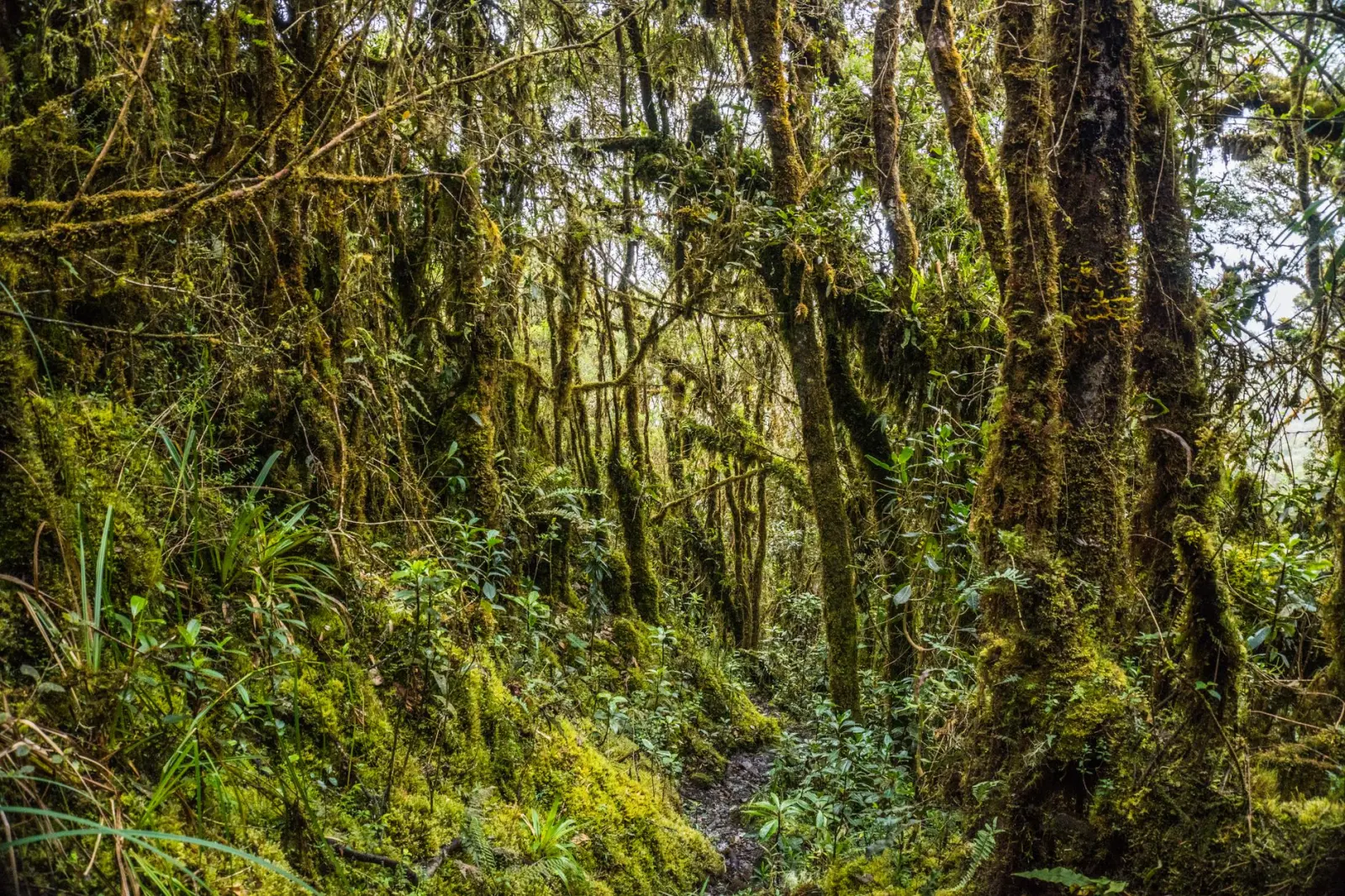
The Cardwell Range sits in far north Queensland, a modest but persistent spine of forest that most people pass by on the highway without noticing. The walking here is different from what many expect. It’s not dramatic alpine terrain or dramatic ridgeline vistas. It’s dense, humid rainforest that demands respect for reasons that don’t become obvious until you’re actually in it.
I’ve walked these forests many times across different seasons, and the experience shifts considerably depending on when you go and how prepared you actually are versus how prepared you think you are. The gap between those two things is where most walkers run into trouble.
The forest floor in the Cardwell Range is uneven in ways that wear on your legs faster than flat terrain of the same distance. Roots, rocks, and soft sections where the ground hasn’t fully settled create a constant need for foot placement attention. You can’t settle into a rhythm the way you might on a maintained trail elsewhere. After three or four hours of this, your ankles and calves feel it. The humidity compounds this because your body is working harder to cool itself, and fatigue arrives sooner than the distance alone would suggest.
Visibility and Navigation Reality
The canopy here is thick enough that you lose a clear sense of direction quickly. Even on trails that are reasonably well-marked, the enclosed feeling can disorient you. I’ve watched experienced walkers second-guess themselves on sections where the path is actually clear but the visual sameness of the surroundings creates doubt. A GPS unit or map is essential, not optional. Phone GPS works but battery drain is real in these conditions because the device is constantly searching for signal under dense cover.
Trails in the Cardwell Range vary in maintenance. Some sections are regularly cleared and obvious. Others have encroaching vegetation that narrows the path and creates ambiguity about whether you’re still on the intended route or have drifted onto an animal track. Stopping to check your position isn’t a sign of weakness – it’s how you avoid spending an extra two hours retracing steps.
Water and Logistics
The forest is wet, but that doesn’t mean water is easily accessible when you need it. Streams exist, but they’re not always where you expect them based on a map. Carrying sufficient water is the practical answer. In warm months, a three-liter capacity is reasonable for a half-day walk. The humidity makes you sweat more than you realize, and dehydration sneaks up on you here because the moisture in the air masks how much fluid you’re losing.
The forest floor stays damp most of the year, which means footing is slippery in places. Boots with good grip matter more than people typically assume. I’ve seen walkers in trail shoes struggle on sections where the ground is essentially wet clay, while proper hiking boots with aggressive tread provide confidence and safety. It’s a small detail that accumulates into real fatigue when you’re constantly catching yourself or stepping carefully.
Weather Patterns and Timing
Rain in the Cardwell Range doesn’t always mean you should cancel. The forest is adapted to rain, and the trails drain reasonably well in most places. What matters more is the intensity and duration. A steady rain for several hours is manageable. A heavy downpour followed by more heavy rain creates conditions where visibility drops, footing becomes genuinely risky, and the psychological weight of being in dense forest in poor conditions affects your decision-making.
I’ve found that early morning starts make a real difference here. The forest is slightly cooler, you have more daylight ahead of you if navigation takes longer than expected, and the light is better for picking out the trail. Starting late in the day in the Cardwell Range is a choice that narrows your margin for error significantly.
Humidity peaks in the afternoon, particularly in warmer months. If you’re walking between November and March, expect the air to feel thick and your pace to be slower than you’d anticipate. This isn’t weakness – it’s physics. Your body is working harder in these conditions, and accepting that rather than fighting it keeps you safer and more aware.
What People Underestimate
The mental component of forest walking here is real. Hours of similar-looking vegetation, limited views, and the constant attention required for footing creates a different kind of fatigue than open-country walking. Your brain is working steadily to process the environment and maintain navigation awareness. By hour four or five, concentration lapses. That’s when small mistakes happen – a misread of the trail, a stumble on familiar-looking ground, a decision to push on when you should turn back.
Many walkers also underestimate how long sections take. A trail marked as two kilometers might take forty-five minutes in open country and ninety minutes in the Cardwell Range. The terrain, vegetation, and navigation attention required slow you down. Planning your walk around a realistic pace keeps you from being caught in the forest as light fades.
Insects are present but not the constant plague some people fear. Leeches are occasional in wetter sections, particularly after rain. They’re more of a nuisance than a danger, but they’re worth knowing about. Salt in your pack and awareness of where you’re stepping help manage them. Mosquitoes are present near water sources. Proper clothing – long sleeves and pants despite the heat – is the practical defense.
The forest itself is stable and not inherently hostile. It’s simply a landscape that requires you to move through it on its terms rather than your own. The walkers who have the best experience here are the ones who accept that pace, accept that navigation requires attention, and accept that the forest doesn’t rush. Once you settle into that rhythm, the Cardwell Range reveals itself as a place worth returning to.



