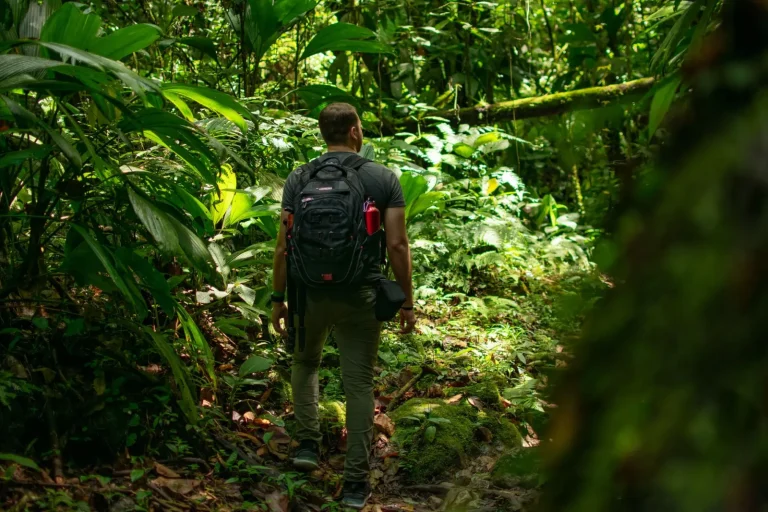

The Jamison Valley forests sit in that middle ground where they’re accessible enough to attract regular foot traffic but rugged enough that casual assumptions about the walk tend to unravel quickly. I’ve moved through these trails dozens of times across different seasons, and the experience rarely matches what people expect when they set out with a map and optimistic energy.
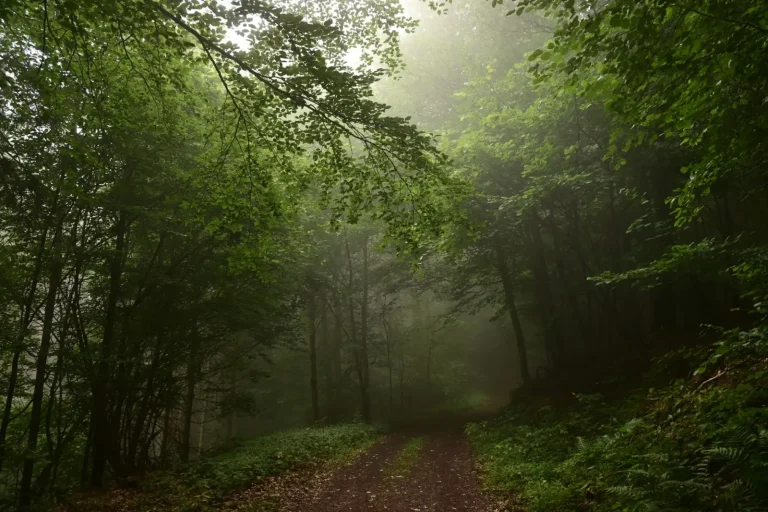
The forest itself is dense in sections and surprisingly open in others. The canopy coverage shifts as you gain elevation, and the ground changes character every few hundred meters. What feels like a straightforward walk on the lower approaches becomes something requiring more attention once you’re deeper in. The paths aren’t poorly maintained, but they’re not groomed either. They exist because people walk them regularly, not because anyone has invested in infrastructure.
Terrain and Pace Reality
Most people underestimate how much the ground slows you down. The forest floor is uneven – roots, rocks, and sections of loose soil are constant. Your pace drops naturally here, even if you’re fit. A walk that might take two hours on a paved path takes three or more on these trails, and that’s without stopping. The incline is gradual enough that it doesn’t feel steep while you’re walking it, but the cumulative effect on your legs and breathing builds steadily. By the time you’ve been moving for ninety minutes, you notice it.
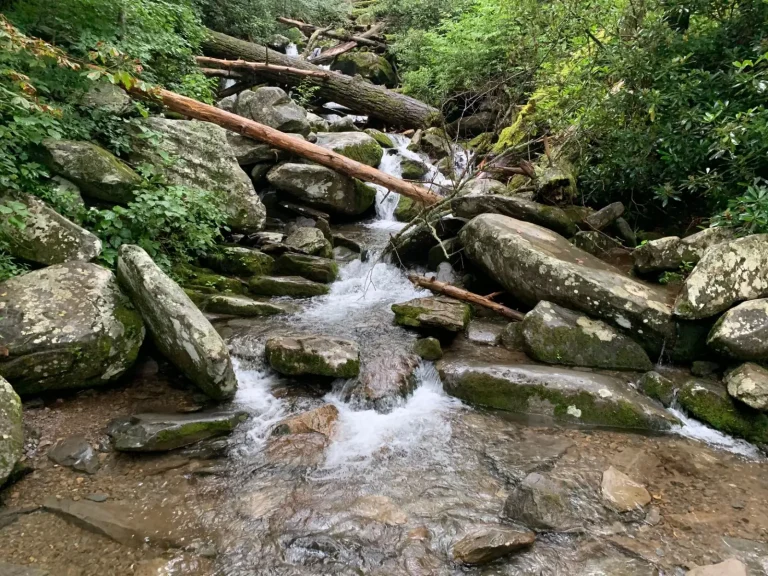
The rock outcrops scattered through the valley create natural waypoints but also natural obstacles. Some sections require careful foot placement. Others force you to choose between stepping over or around, and neither choice is particularly graceful. I’ve watched experienced hikers slip on apparently stable rock because moisture or algae made it less stable than it looked. It happens quickly and usually without serious consequence, but it’s a reminder that attention matters more than speed.
Water and Seasonal Variation
The valley’s water sources are reliable but their accessibility changes. During wetter months, small streams cross the path regularly. In drier periods, you might walk for long stretches without seeing flowing water, even though you know it’s there. The soil holds moisture well under the canopy, so mud and boggy sections appear even when it hasn’t rained recently. Waterproof boots make a real difference here, not as luxury but as practical necessity for comfort.
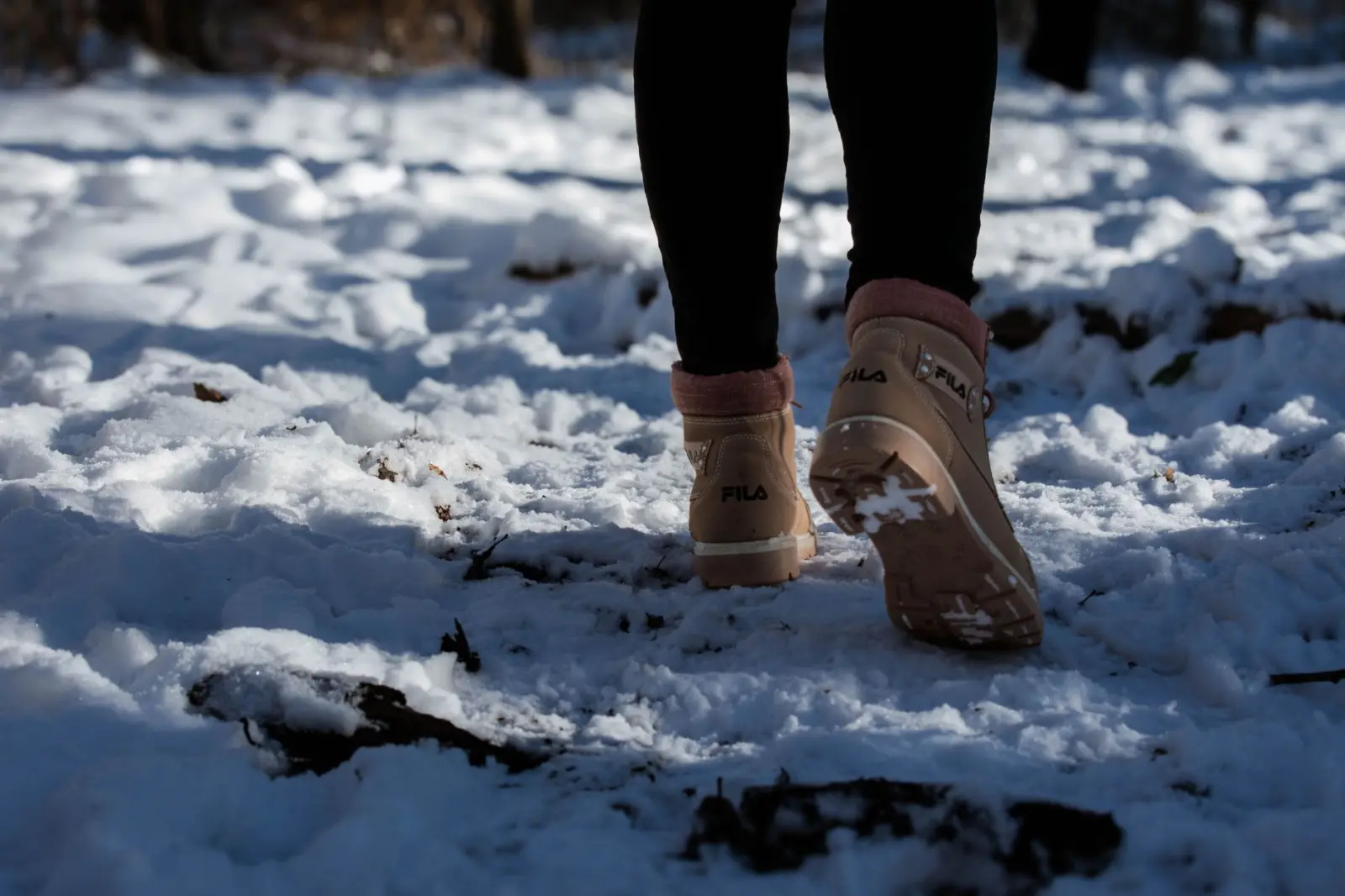
Spring brings the forest to life visibly – growth accelerates, the air feels different, and the light changes as new leaves fill in the canopy. Summer can feel claustrophobic in the densest sections; the heat doesn’t penetrate as much as you’d expect, but humidity does. Autumn is when the forest opens up slightly as leaves drop, and visibility improves. Winter rarely makes these trails impassable, but they become slicker and require different attention. Most people walk them in warmer months, which means the trails see heaviest use then.
Navigation and Orientation
The paths are generally clear enough to follow without constant map checking, but they’re not marked with the kind of signage you find on more developed trails. There are junctions where the route becomes less obvious, particularly where secondary paths branch off toward different destinations. I’ve watched people make wrong turns at these points, usually because they assumed the wider path was the main route when it wasn’t. Carrying a map isn’t overkill; it’s practical sense. GPS helps, but it’s not a substitute for actually knowing where you’re trying to go.
The forest creates its own disorientation. Without open views, distance becomes harder to judge. You might think you’ve walked much farther than you actually have, or conversely, realize you’ve covered less ground than you expected. The canopy blocks direct sunlight, so time of day becomes less obvious. People often finish walks surprised by how quickly darkness approaches, even though the sun set at a predictable time.
Physical Demands and Fatigue
The walk accumulates fatigue in a specific way. It’s not the sharp burn of steep climbing but rather a steady drain on your legs and focus. The uneven ground demands constant small adjustments from your stabilizer muscles. Your eyes work harder in the lower light to pick out safe footing. Your concentration stays engaged because you’re processing terrain continuously. After a few hours, this adds up to genuine tiredness, even if the elevation gain seems modest on paper.
People often arrive at the valley expecting a leisurely forest stroll and discover they need to be more deliberate about their effort. This isn’t a criticism of the terrain – it’s just what it is. The forest doesn’t demand athleticism, but it does demand presence. Conversations happen, but they’re punctuated by attention to where you’re stepping. Rest stops feel genuinely restorative rather than optional.
Wildlife and Weather Considerations
The valley supports a range of animals, most of which you won’t see. Occasional bird calls and movement in the undergrowth remind you that you’re in their space. Insects are present depending on season – nothing that makes the walk unpleasant, but enough that some form of protection matters in warmer months. Weather changes quickly under the canopy. A clear morning can cloud over, and rain arrives with less warning than you’d expect in open terrain. The trees provide shelter, but they also trap moisture, so “wet” persists longer than it might elsewhere.
The valley’s microclimate is noticeably cooler than surrounding areas, particularly on warm days. This is welcome in summer but means you need an extra layer even when the lowlands feel warm. Wind is minimal under the canopy, which means temperature swings are less dramatic but also that your body loses heat differently than it would in open air.
Walking through Jamison Valley’s forests works best when you approach it on its own terms rather than as a version of something else. The experience is engaging precisely because it requires your attention and rewards it with a particular kind of quiet immersion that more manicured trails rarely offer. The physical demands are real but manageable for anyone with basic fitness. What matters most is allowing enough time, wearing appropriate gear, and accepting that the pace will be slower than you might initially assume. That’s not a limitation – it’s the actual condition of moving through a working forest on foot.