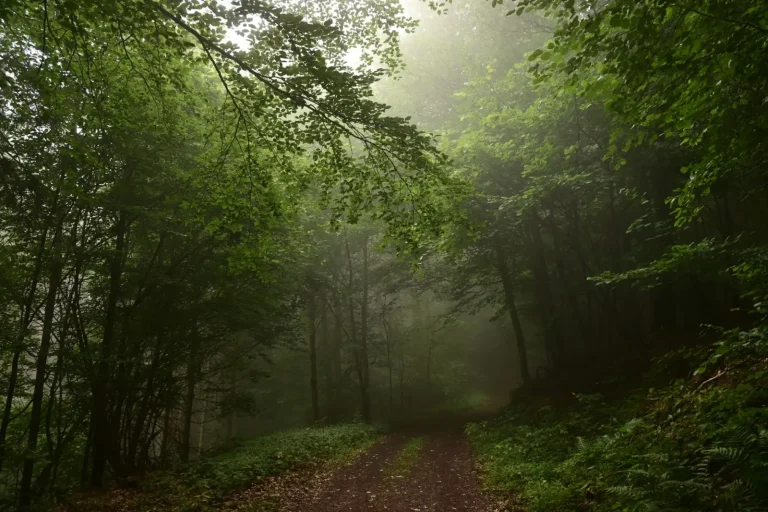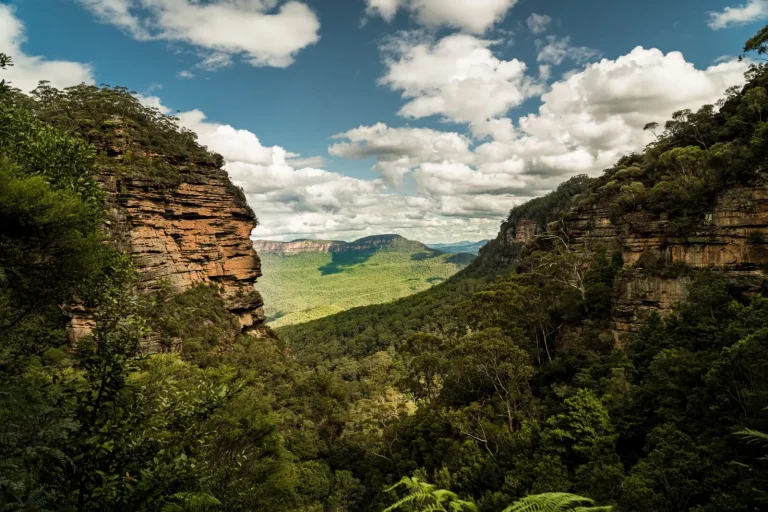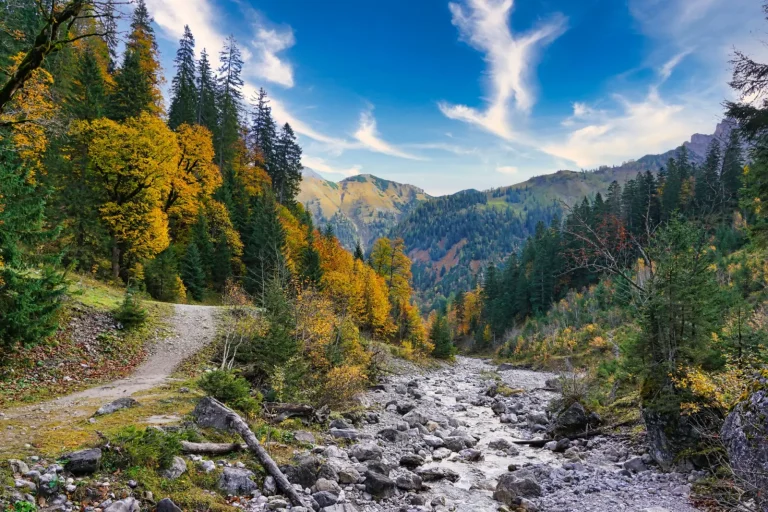

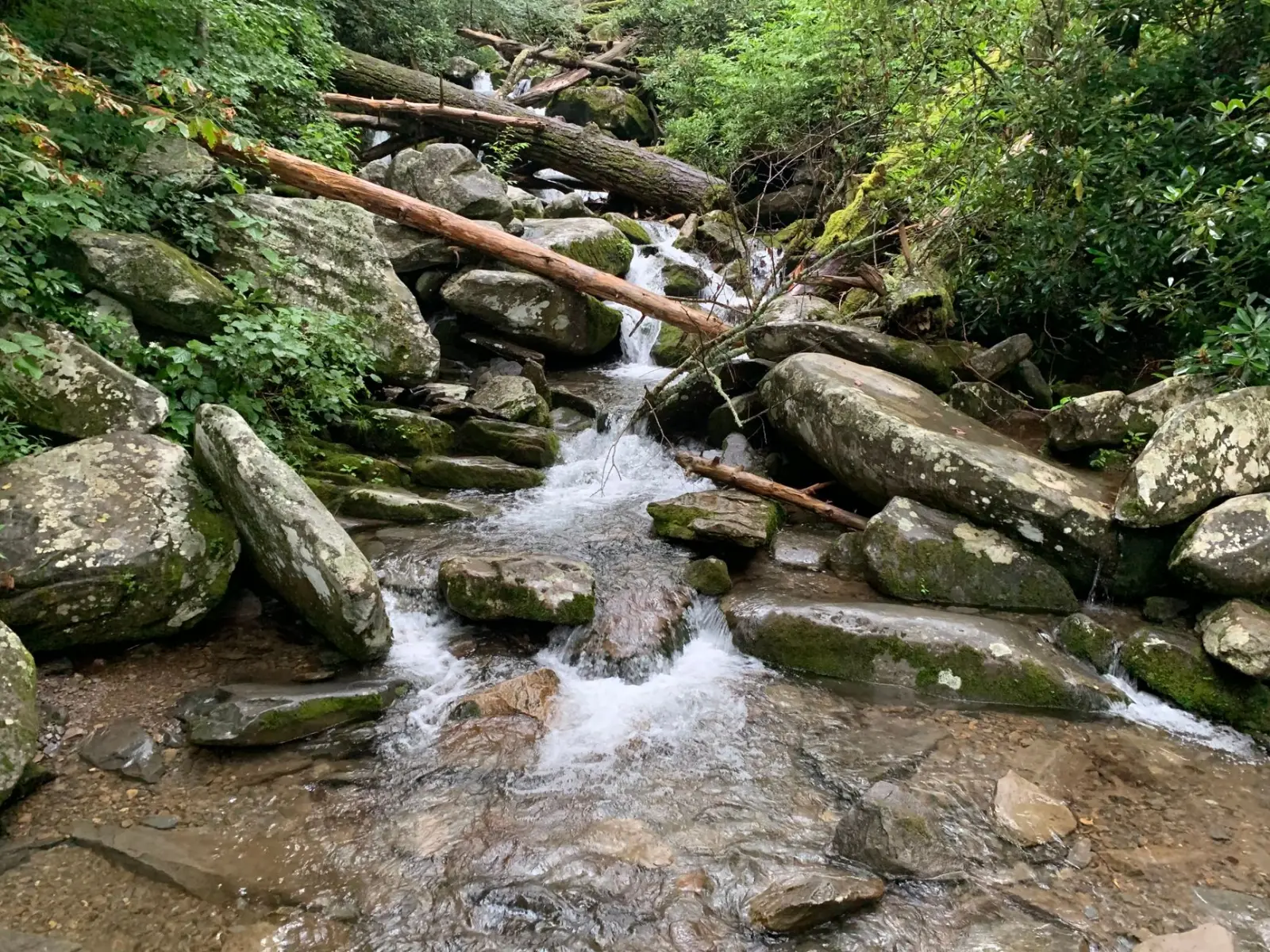
The forest around Leura Cascades draws people for obvious reasons. The water is compelling, the eucalypts are old, and the Blue Mountains light filters through the canopy in ways that photographs never quite capture. But the experience of being there is shaped by factors that don’t appear in brochures. After multiple seasons of moving through this landscape, certain patterns emerge about what actually happens when you step off the main lookout and into the surrounding bush.
The cascades themselves are a focal point, yet they’re also misleading. Most visitors arrive expecting a single dramatic waterfall. What they find instead is a series of drops across a creek system that’s genuinely beautiful but modest in scale. The volume of water varies dramatically with rainfall. In dry periods, the creek becomes a trickle, and the rocks dominate the visual landscape. After heavy rain, the water moves with real force, and the rocks become hazardous. This isn’t a minor detail. It determines whether you can safely cross the creek, how slippery the approaches are, and whether the surrounding trails are passable.
Terrain and Ground Conditions
The forest floor around the cascades is a mix of exposed rock, compacted earth, and areas thick with leaf litter. The rock outcrops are often wet, even days after rain, because water drains slowly through the dense vegetation and soil. Sandstone is common here, and sandstone when wet becomes genuinely treacherous. Your boot grip matters more than people typically anticipate. Worn soles or smooth-soled shoes create a real problem, not just a minor inconvenience. The leaf litter, meanwhile, conceals uneven ground and small drops. You’ll step on what feels like solid forest floor and suddenly find yourself a foot lower, ankle bent awkwardly.
The trails themselves show clear signs of heavy use. Main paths are well-worn and relatively easy to follow, but they’re also eroding. The repeated footfall has created channels in some sections where the ground has been compressed and water now runs through grooves. In other areas, people have begun walking around damaged sections, creating multiple parallel paths. This dispersal actually accelerates degradation because vegetation gets trampled across a wider area. The forest canopy here is dense enough that these worn areas don’t dry quickly, so mud and slippery conditions persist longer than you’d expect for a relatively high-elevation area.
Water Crossings and Creek Navigation
The creek itself requires attention. The main crossing points have rocks placed for stepping, but these are often covered with algae or moss. People slip here regularly. The rocks also shift occasionally, particularly after significant water flow, so the crossing arrangement changes season to season. In wetter months, the water level rises enough that some of the lower stepping rocks disappear entirely, forcing people to either wade or find alternative routes. Wading isn’t particularly deep, but the current can be surprising, and the creek bed is rocky and uneven underfoot.
Beyond the main crossing, the creek has smaller pools and sections that look inviting but are often deeper than they appear. The water is cold year-round, coming from higher elevations and shaded forest. The temperature shock alone is worth accounting for if you’re planning to wade or swim. The creek also has a consistent current even where it looks still, and the rocks beneath the surface are slippery. People underestimate this regularly, particularly on warm days when the water looks refreshing and safe.
Vegetation and Navigation Challenges
The surrounding vegetation is thick. Eucalypts dominate, but there’s dense understory of ferns, shrubs, and fallen branches. The main trails are clear enough, but deviating from marked paths becomes difficult quickly. The ferns are tall enough to obscure your feet, and fallen branches create obstacles that aren’t visible until you’re right on top of them. The vegetation also creates a kind of visual monotony. The forest looks similar in most directions, which makes it easy to lose your bearings if you’re not paying attention to landmarks or trail markers.
Insects are present but not overwhelming. Leeches appear after rain, particularly in wetter sections of the forest. They’re not dangerous, but they’re persistent and unpleasant. If you’re hiking in wet conditions, expect to find them on your legs and socks. Salt, insect repellent, or simply removing them works, but they’re a minor drain on morale. Mosquitoes can be present depending on season and recent rainfall, but the forest canopy and breeze usually keep them manageable.
Timing and Fatigue Factors
The distance around the cascades isn’t extreme, but the terrain is uneven enough that it demands more energy than the distance alone suggests. A three-kilometer walk on flat ground is straightforward. Three kilometers through forest with elevation changes, rock scrambling, and uneven footing is a different proposition. People often underestimate the time required and arrive at the cascades already tired from the approach. This matters because fatigue degrades decision-making around water safety and footing on slippery surfaces.
The light changes quickly in the forest. Even on clear days, the canopy is dense enough that the forest is dim. As afternoon progresses, the light becomes dimmer still. This affects visibility on the trail and makes it harder to judge the safety of rock crossings or uneven ground. Starting early is practical advice, but it’s practical because the light genuinely matters here, not just for photographs.
The forest also has a particular quiet that affects perception. The water sound masks other noises, and the dense vegetation absorbs sound. This can feel peaceful, but it also means you have less auditory information about your surroundings. A twisted ankle or a fall might not be heard by others nearby. Solo hiking here is possible, but the isolation is real.
What emerges from repeated visits is that the cascades are worth seeing, but the experience requires respect for the actual conditions rather than the imagined ones. The forest is not hostile, but it’s not forgiving of inattention. The rocks are beautiful and slippery. The water is compelling and cold. The trails are well-used but degrading. These aren’t warnings so much as observations about what’s actually present when you move through this landscape.