
The moss forests of Tasmania feel different the moment you step into them. Not in a mystical sense, but in the immediate, physical way your body registers the environment. The air sits heavier. Sound dampens. Your footing becomes uncertain because the ground beneath you is not what it appears to be.
I’ve spent enough time moving through these forests to recognize the patterns – the way light fractures through the canopy, how the moss responds to rainfall, the particular exhaustion that comes from walking on unstable ground for hours. These are not the dramatic wilderness experiences that make it into travel marketing. They’re the accumulated small discomforts and practical realities that shape what it’s actually like to be there.
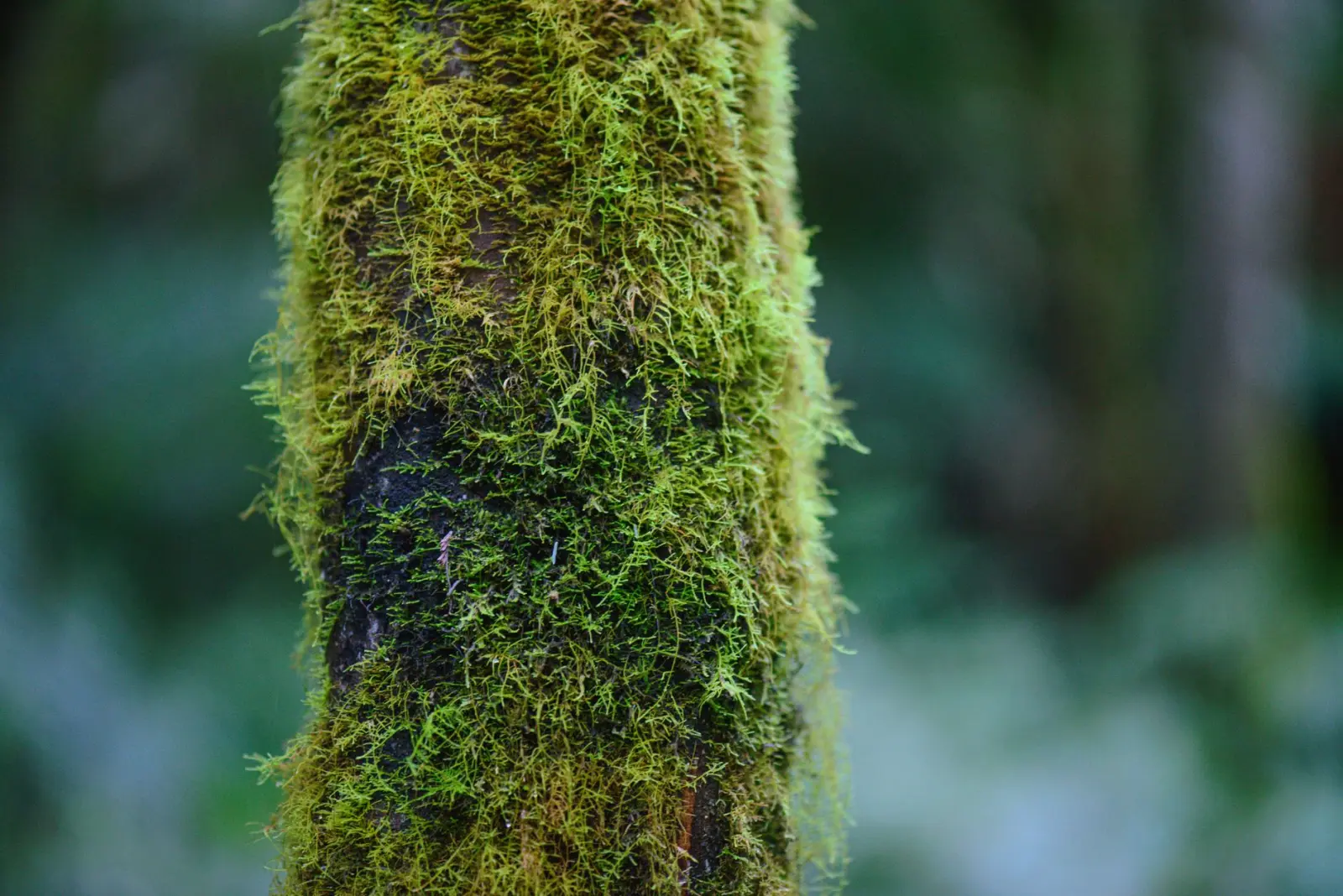
The moss itself is the defining feature, but most people underestimate what that means. It’s not a thin carpet. In many areas, it’s a thick, spongy layer that can be anywhere from ankle-deep to knee-deep, covering fallen logs, rocks, the forest floor, and the lower trunks of living trees. The moss is alive and constantly absorbing moisture. After rain – which is frequent – it becomes even more saturated, and your boots sink deeper with each step. The ground doesn’t feel solid. It feels like you’re walking on something that might give way, even though structurally it usually won’t.
The Physical Reality of Movement
Walking through moss forest requires a different pace than hiking on established trails elsewhere. You can’t maintain a steady rhythm. The moss compresses unevenly. Fallen logs hidden beneath the moss create sudden drops or obstacles you don’t see until your foot catches them. Rocks shift. The whole experience demands constant micro-adjustments in balance and footfall.
Fatigue accumulates faster than on firmer ground, even when the distance covered is modest. Your calf muscles work differently. Your ankles are engaged constantly. After three or four hours, the cumulative strain becomes noticeable in ways that surprise people accustomed to conventional hiking. This isn’t a matter of fitness so much as the specific demands of unstable terrain.
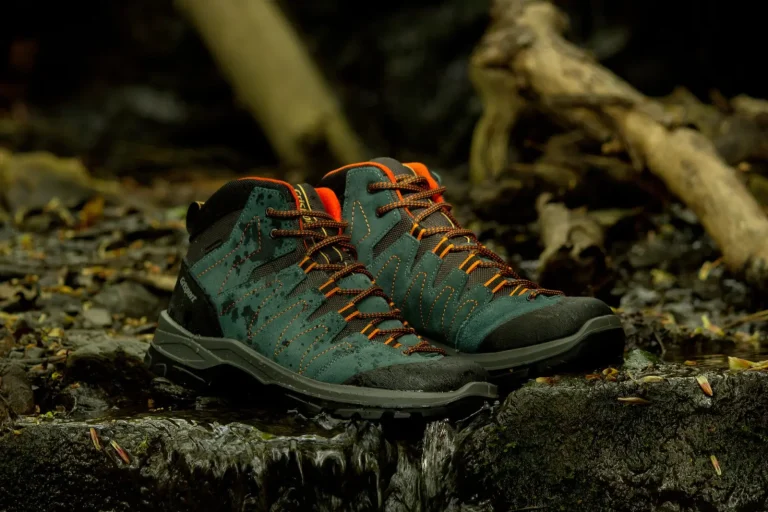
Wet conditions are the norm, not the exception. The moss retains moisture even days after rain stops. Tasmania’s climate means rain is always possible, and the forest canopy – while it provides shelter – also means water drips from branches long after the rain has ended. Waterproof boots help, but they also make your feet sweat, and the moisture inside the boot becomes its own problem over a full day. Most experienced walkers in these forests accept that their feet will be damp. The goal shifts to managing it rather than preventing it.
What the Moss Conceals
The moss is beautiful, but it’s also deceptive. It hides the topography. A sudden drop-off might be invisible until you’re already stepping into it. Rocks that could turn an ankle are cushioned and hidden. Fallen logs that could catch your foot are softened and obscured. This is why solo walking in unfamiliar moss forest requires genuine caution, not just the standard trail awareness.
The density of the moss also affects navigation. In thick moss forest, the understory is minimal. There’s little to no scrub or low vegetation competing with the moss. This creates an open, almost park-like feeling in some areas, which can be disorienting. Without visual landmarks, it’s easy to lose track of direction. GPS helps, but the canopy can interfere with signal. A map and compass become more valuable here than they are on many other walks.
Wildlife presence is real but rarely visible. The moss forest is home to small mammals, birds, and insects, but you experience them mostly through sound and sign rather than sight. The dampness and the dense moss create ideal conditions for fungi and invertebrates. If you’re paying attention, you notice the abundance of life in the decay – rotting logs that are entirely colonized by fungi, the intricate ecosystems within the moss itself.
Seasonal and Weather Patterns
Timing matters significantly. Summer months (December through February) offer the longest daylight and the most stable weather, but the forest is still wet. Winter (June through August) brings shorter days and colder temperatures, which can make the experience genuinely uncomfortable. The moss doesn’t freeze solid, but the air temperature drops enough that you need proper insulation, and the reduced daylight means you’re either starting very early or accepting a shorter walk.
Spring and autumn are often overlooked but can be practical compromises. The weather is variable, but the daylight is reasonable, and the temperature is manageable. The moss is always wet, but that’s a constant rather than a seasonal variable.
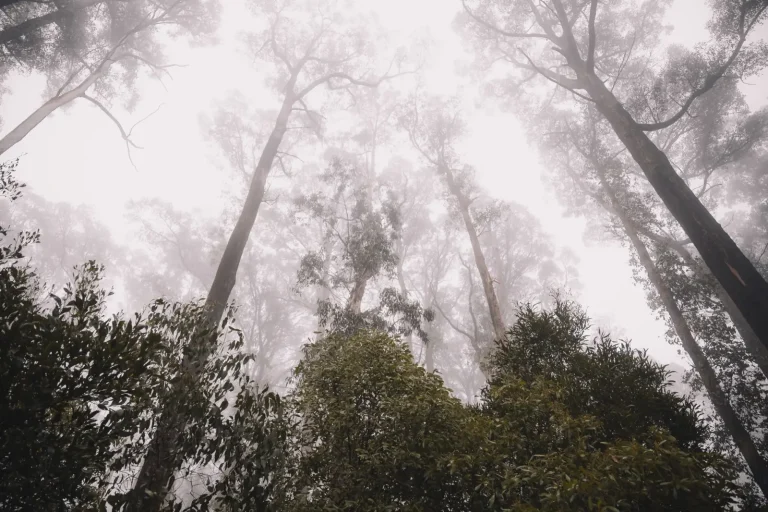
Rainfall in Tasmania can be sudden and heavy. The moss forest doesn’t flood in the way open areas might, but water flow increases, and visibility can drop. Walking in heavy rain through dense moss forest is possible but becomes significantly more challenging. The ground becomes slicker. Visibility through the canopy decreases. The psychological element of being in a dark, wet, confined space for hours shouldn’t be dismissed.
Access and Logistics
Most moss forests in Tasmania are accessed via established walking tracks or through guided experiences. The major areas – places like the Tarkine, parts of the southwest wilderness, and various state forests – have varying levels of infrastructure. Some have well-maintained boardwalks that keep you above the moss and mud. Others are more remote and demand genuine bushwalking capability.
The boardwalks serve a practical purpose beyond environmental protection. They make the forest accessible to people who couldn’t otherwise navigate the unstable ground. But they also change the experience fundamentally. You’re not walking on the moss; you’re walking above it. The sensory experience is different. The physical demands are different. Neither is wrong, but they’re distinctly different ways of moving through the same landscape.
Getting to these forests often involves driving to trailheads that are themselves challenging to access. Roads can be rough. Parking is sometimes limited. In peak seasons, popular areas can become crowded at the trailhead, which creates its own logistical pressure. Planning around these practical realities – arriving early, choosing less popular times, understanding what vehicle access actually requires – shapes whether the experience is enjoyable or frustrating.
The moss forests of Tasmania are genuinely worth the effort to experience. But they demand respect for the conditions they present. They’re not hostile, but they’re not forgiving of poor preparation or unrealistic expectations. The reward is access to a landscape that feels genuinely different from most places you’ll walk – ancient, quiet, and entirely indifferent to whether you find it beautiful or merely difficult.