
The rainforest along the border ranges operates on rhythms that don’t match tourist schedules or field guide timelines. After years of moving through these forests – early mornings, late afternoons, occasional overnight stays – you develop a sense of what’s actually present versus what the brochures promise. The ecosystem here is dense, layered, and deliberately difficult to read if you’re not accustomed to it. Most visitors see fragments: a bird call they can’t identify, a rustle in the canopy, maybe a lizard crossing the trail. The full picture requires patience and a willingness to sit quietly while your eyes adjust.
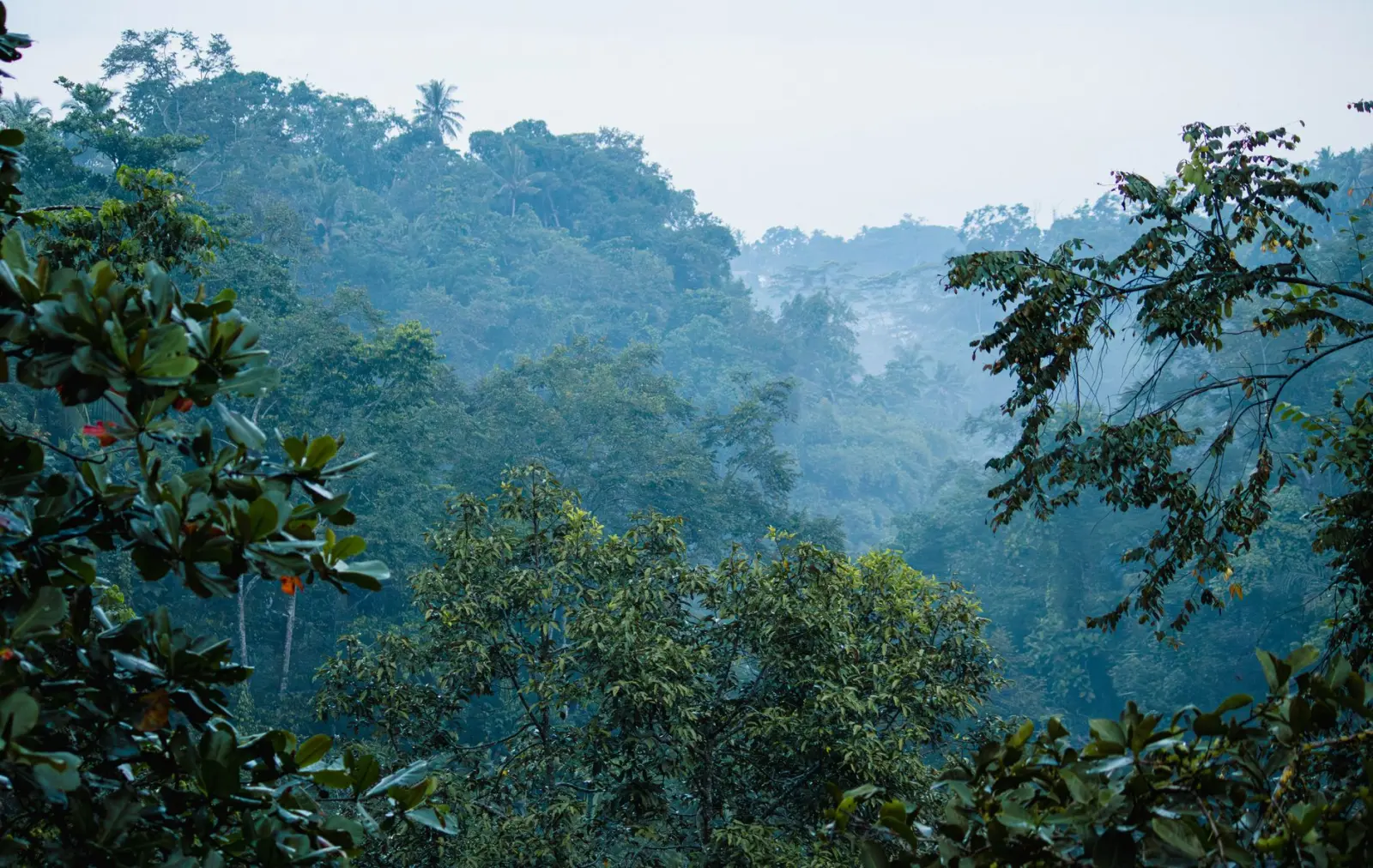
The canopy structure itself determines what lives where and when you’ll encounter it. The border ranges sit at an elevation where subtropical and temperate rainforest characteristics overlap, creating a forest that’s taller and more open in places than lowland tropical jungle, but denser and more humid than highland forests elsewhere. This middle ground hosts a specific suite of animals. The canopy reaches 40 to 50 meters in mature sections, with emergent trees breaking through. Underneath is a secondary canopy layer, then understory, then the dense ground level where most movement happens. Each layer has its own residents, and they don’t mix much. A lyrebird works the forest floor and lower branches. A regent bowerbird stays in the mid-canopy. Fruit pigeons occupy the upper reaches. They’re in the same forest but rarely encounter each other.
What Actually Moves Through Here
Mammals are scarce and mostly nocturnal, which is why many people hike these forests and see almost nothing large. Brushtail possums are common but only active after dark. You might hear them at night – a distinctive cough or crash through branches – but daytime sightings are rare. Koalas exist here but are not common; people often assume they’re everywhere in eastern Australian rainforest, which misses the reality that they’re patchily distributed and prefer specific eucalypt species that don’t dominate these ranges. Wombats use the forest edges and cleared areas more than the dense interior. Wallabies are present but again, they’re most active at dawn and dusk, and they avoid the thickest sections of forest, sticking to more open understory where they can move quickly.
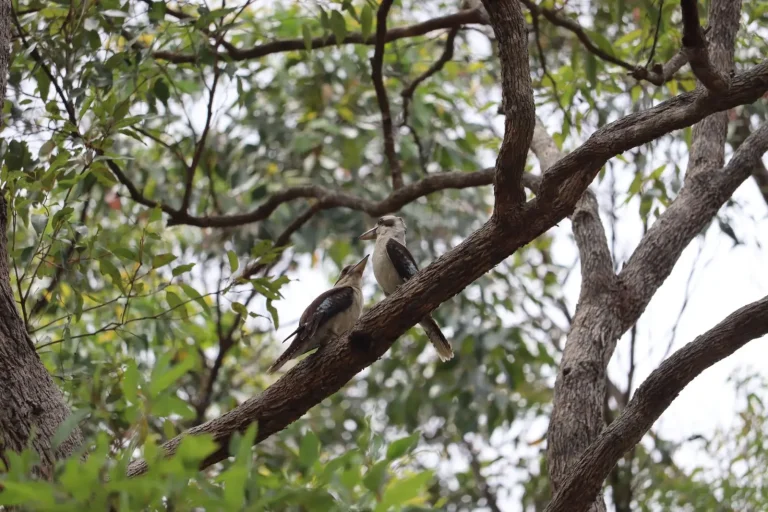
The animals you’re most likely to encounter during daylight are birds and reptiles. Kookaburras and currawongs are vocal and visible. Various honeyeaters work the flowering trees. Rosellas move through in small flocks. Tawny frogmouths perch on branches during the day, motionless and easy to miss if you’re not looking. Lyrebirds are present and their calls are unmistakable – a loud, complex mimicry that often startles first-time visitors into thinking they’ve heard an exotic species they haven’t. The reality is that lyrebirds are elusive despite their noise. They stay on the ground and in low cover, and seeing one requires either luck or sitting still for extended periods.
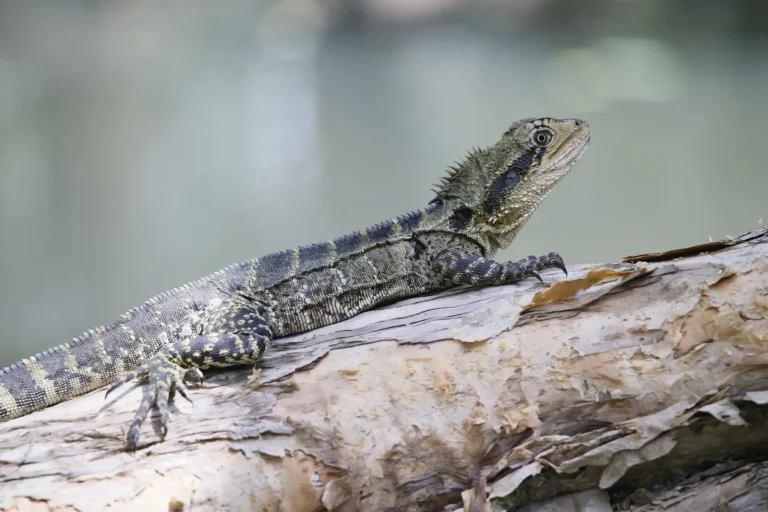
Reptiles are more reliably visible. Pythons are present but not commonly encountered; they’re ambush predators that spend long periods motionless. Carpet snakes and other non-venomous species are more active. Skinks of various sizes move through leaf litter and fallen logs. Frogs are abundant, especially after rain, and their calls at dusk create a soundscape that dominates the forest. Blue-tongued lizards appear on trails occasionally, moving slowly and deliberately. They’re not aggressive, but they’re large enough to startle someone who rounds a corner without expecting them.
Seasonal Variation and Feeding Patterns
The presence and visibility of wildlife shifts with fruiting and flowering cycles. When native figs fruit, the forest fills with activity – pigeons, flying foxes, lorikeets, and various other species converge on the same trees. These periods are relatively predictable if you know the trees, but they vary year to year depending on rainfall and temperature. Dry periods can delay fruiting. Wet years can trigger earlier flowering. If you’re visiting specifically to see wildlife, asking locals about current fruiting status is far more useful than consulting a general wildlife guide. The timing matters more than the season name.
Insectivorous birds are present year-round but more active during warmer months when insect populations spike. Winter sees a shift toward birds that feed on seeds and stored food sources. This is why a winter visit might feel quieter – not because animals have left, but because they’re less active and less visible. They’re conserving energy, moving less, and spending more time in shelter.
What Tends to Disappoint Visitors
The rainforest here is not a wildlife spectacle in the way that African savanna or tropical lowland forests can be. You won’t see large herds, dramatic predator-prey interactions, or constant animal movement. The forest is quiet most of the time. When something does move, it’s often brief – a flash of color, a sound, then silence again. This requires a different mindset from what many travelers bring. If you’re expecting constant visual stimulation, you’ll find the experience frustrating. If you’re comfortable with observation, with periods of nothing happening, with listening more than watching, the forest reveals itself gradually.
Venomous snakes exist here, but encounters are exceptionally rare. They’re not aggressive and actively avoid people. The fear of snakes often exceeds the actual risk by a significant margin. Similarly, spiders are present and some are large, but they’re not interested in humans and bites are uncommon. The real hazards are more mundane: slipping on wet rocks, getting lost if you wander off marked trails, or simply underestimating how physically demanding forest walking can be in humidity and uneven terrain.
Flying foxes are present, particularly in areas with abundant flowering trees. They’re active at dusk and night, and their silhouettes against the evening sky are distinctive. They’re not aggressive, though their noise and numbers can be surprising if you’re not expecting them. They’re crucial to the forest’s pollination and seed dispersal, but their presence often generates concern among visitors who’ve heard exaggerated stories about them.
The Practical Reality of Wildlife Watching Here
The best times to see animals are early morning, just after dawn, and late afternoon into dusk. The middle of the day is quiet. Overcast days tend to produce more activity than bright sunny days. After rain, frogs and some reptiles become more visible. Walking slowly and stopping frequently yields more sightings than moving steadily through. Binoculars are useful for birds in the canopy, but much of what you’ll see requires no equipment – just attention and stillness.
The border ranges rainforest is genuinely biodiverse, and that diversity is real whether or not you see it. Most animals are there. Most of the time, they’re simply not visible to a passing observer. This isn’t a failure of the forest or the animals. It’s the nature of how rainforest ecosystems work. The animals that survive here are the ones that avoid detection. Visibility is a liability in this environment. After spending time here, you stop expecting to see everything and start appreciating what you do encounter as a privilege rather than an entitlement.