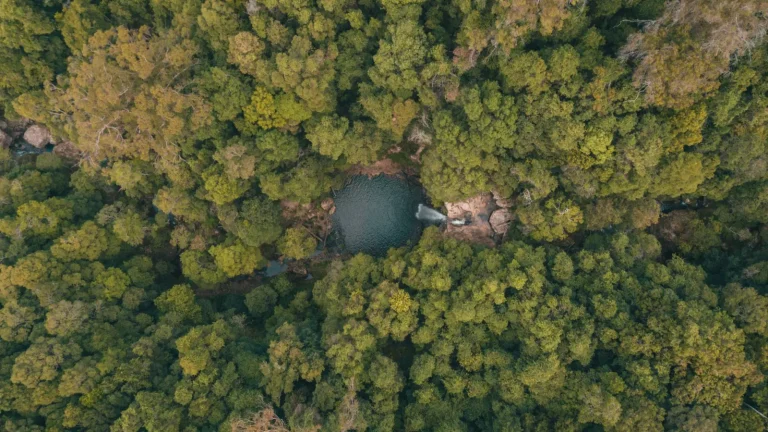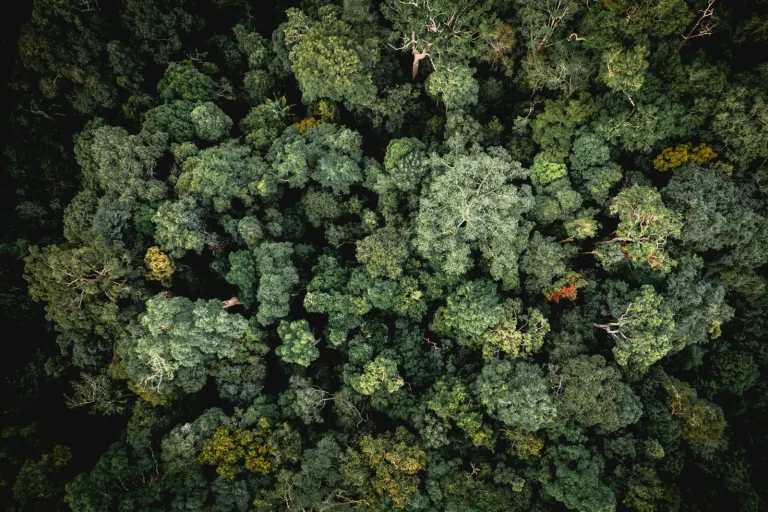

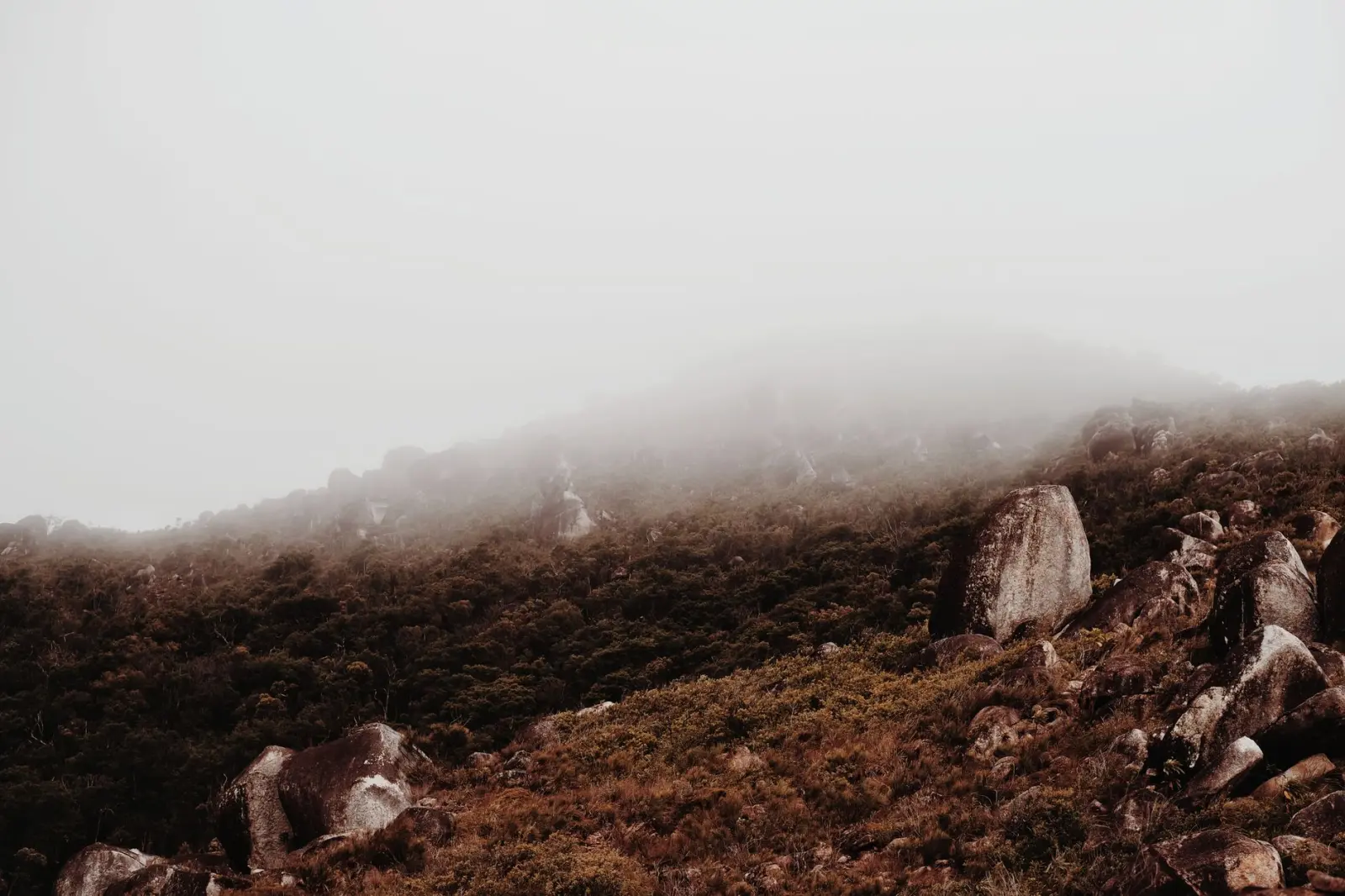
The tropical mountain forests of far north Queensland occupy a narrow band of elevation that runs inland from the coast. Most people who visit this region underestimate how quickly conditions change once you move away from the coastal towns and into the ranges. The forests themselves are dense, wet, and unforgiving in ways that brochures rarely capture. After spending considerable time moving through these areas – both for work and extended stays – I’ve developed a clearer sense of what actually happens on the ground, away from the marketing narrative.
The region’s geography is deceptive. From Cairns or Port Douglas, the mountains appear as a green wall on the horizon. The distance looks manageable, but the terrain between the coast and the high forest is fragmented and complex. You’re not dealing with a continuous wilderness. Instead, you encounter a patchwork of private land, national parks, logging concessions, and regenerating forest interspersed with cleared agricultural areas. This matters because it affects access, timing, and what you actually see when you venture inland.
The elevation gain happens faster than visitors expect. Roads that appear to climb gradually on a map actually involve sustained grades that tire drivers and passengers alike. A two-hour drive from the coast can feel like four hours once you’re navigating hairpin turns and dealing with the mental fatigue of constant attention to the road. The forests themselves begin appearing around 400 to 500 meters, but the truly dense, closed-canopy rainforest – the kind that blocks out most sky – typically sits above 800 meters.
Moisture and Visibility
What strikes most visitors first is the moisture. The air in these forests is saturated. It’s not just humidity in the conventional sense; it’s a pervasive dampness that affects everything. Camera lenses fog within seconds of stepping out of an air-conditioned vehicle. Clothing dries slowly. Electronic equipment accumulates condensation. This isn’t a minor inconvenience – it’s a constant reality that shapes what you can actually do and how long you can do it.
Visibility in the forest varies dramatically depending on time of day, cloud cover, and elevation. Early morning often brings mist that reduces sight lines to 20 or 30 meters. By midday, the canopy filters light in ways that make photography difficult and disorienting. The forest floor remains dim regardless of the time. Paths that appear clear from a distance become obscured by fallen vegetation, root systems, and the sheer density of understory growth. Experienced walkers move slowly not because of difficulty but because of the need to watch footing constantly.
Seasonal Patterns and Access
The wet season, roughly November through March, fundamentally changes how these forests function. Rainfall is not light or intermittent – it comes in sustained bursts that can last for days. Creeks that are minor features in the dry season become impassable torrents. Landslides occur regularly on steeper slopes. Roads wash out. Walking tracks become waterlogged and treacherous. Many access points are simply closed during this period, not because of bureaucratic caution but because the terrain genuinely becomes unsafe for casual visitors.
The dry season, May through September, is when most people attempt to explore these areas. Even then, “dry” is relative. The forest remains moist. Morning dew and mist persist. Streams still flow. The difference is that conditions are stable enough for extended access and movement. This is when you’ll see the most visitors on tracks, when accommodation fills up, and when the regional infrastructure operates at full capacity. Timing your visit outside school holidays and public holidays significantly affects your experience – not just in terms of crowds, but in terms of available transport and guide services.
Wildlife Encounters and Practical Realities
The forests contain significant wildlife, and most of it will avoid you. Cassowaries exist in these ranges, but sightings are rare and usually brief. Snakes are present but not aggressive. Leeches are a genuine concern during and after rain – they’re not dangerous but they’re persistent and unpleasant. Insects are constant. Mosquitoes, especially near water, can be intense. Biting midges near streams are often worse than mosquitoes. Long sleeves and insect repellent are not optional; they’re essential equipment.
The experience of moving through the forest changes significantly depending on whether you’re walking a maintained track or attempting to navigate off-trail. Maintained tracks – and there are several good ones in the region – are cleared and marked but still require attention and reasonable fitness. Off-trail movement is slow, exhausting, and requires navigation skills that many casual visitors don’t possess. The forest doesn’t look impenetrable from a distance, but once you’re inside it, the density becomes apparent. Progress measured in kilometers per hour on a road translates to hundreds of meters per hour on foot through undisturbed forest.
Accommodation and Logistics
The mountain regions have limited accommodation options. Towns like Kuranda and Atherton exist on the plateau, but they’re small and fill quickly during peak season. Camping is available in some areas, but facilities are basic. The expectation that you can simply arrive and find a place to stay is often unrealistic during school holidays or weekends. Booking ahead is not a suggestion – it’s a practical necessity if you want flexibility in your schedule.
Transport logistics matter more than visitors typically assume. Rental vehicles are available from coastal towns, but driving mountain roads in unfamiliar conditions is fatiguing. Local guides and tour operators exist, but their availability depends on season and demand. If you’re planning anything beyond a short walk on a popular track, arranging transport and expertise ahead of time prevents frustration and wasted days.
The forests of far north Queensland reward patience and planning. They’re not hostile, but they’re not accommodating either. They operate on their own schedule – shaped by rainfall, season, and the slow processes of tropical growth. Visitors who approach them with realistic expectations about access, timing, and physical demands tend to have better experiences than those who treat them as scenic backdrops to be quickly photographed and left behind.