
Moving to Tropical North Queensland is not simply a change of address. It can mean waking to the sound of tropical birds, watching cloud gather over rainforest-covered ranges and having some of Australia's most remarkable natural environments close enough for an ordinary weekend outing.
Cairns sits at the centre of that transition. It is a regional city with the services people need for everyday life, yet the surrounding landscape quickly gives way to beaches, mountains, rainforest and small communities with very different rhythms from Australia's southern capitals.
That combination is part of the attraction, but a successful move north takes more than choosing a date and packing boxes. Climate, housing, transport, seasonal weather and the practical realities of living in the tropics all deserve some thought before the removal truck arrives.
Living on the Edge of an Ancient Landscape
One of the most distinctive things about Far North Queensland is how closely urban life sits beside the natural environment. Around Cairns, the landscape rises quickly from the coastal plain into forested ranges, while beaches and the Coral Sea stretch along the other side of the city.
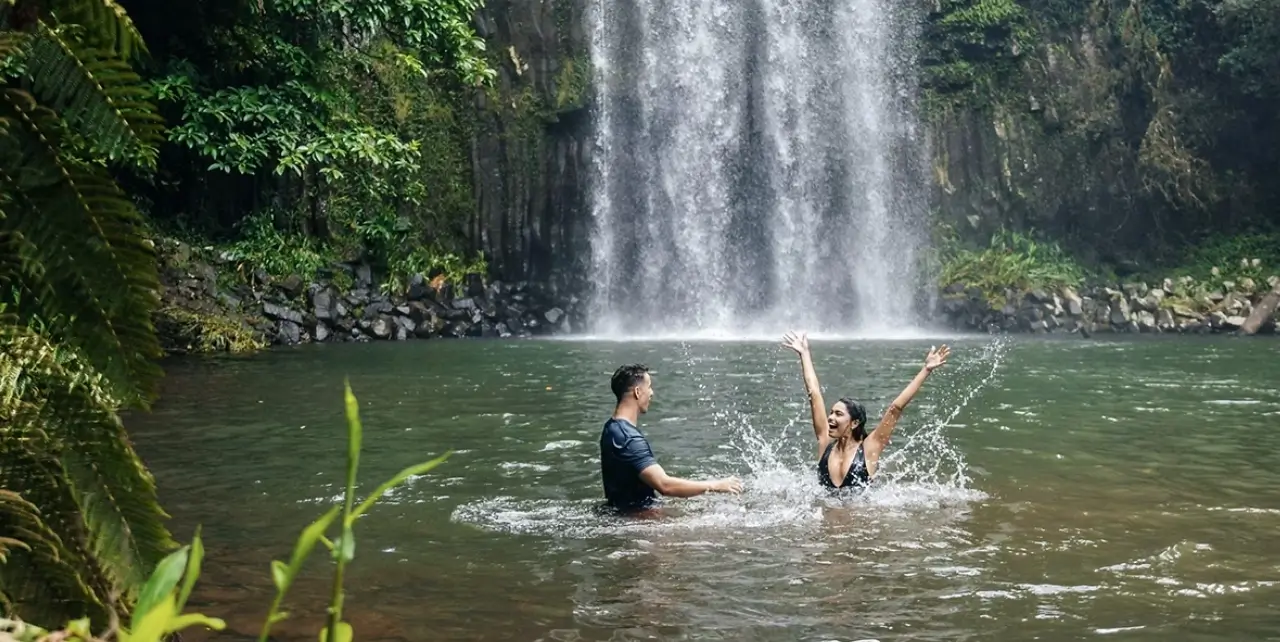
The Wet Tropics changes the character of everyday life. Weekends can involve rainforest walks, swimming holes, coastal drives or exploring the tablelands rather than planning a major trip away. Even ordinary journeys through the region can pass dense forest, cane fields, creeks and mountain views.
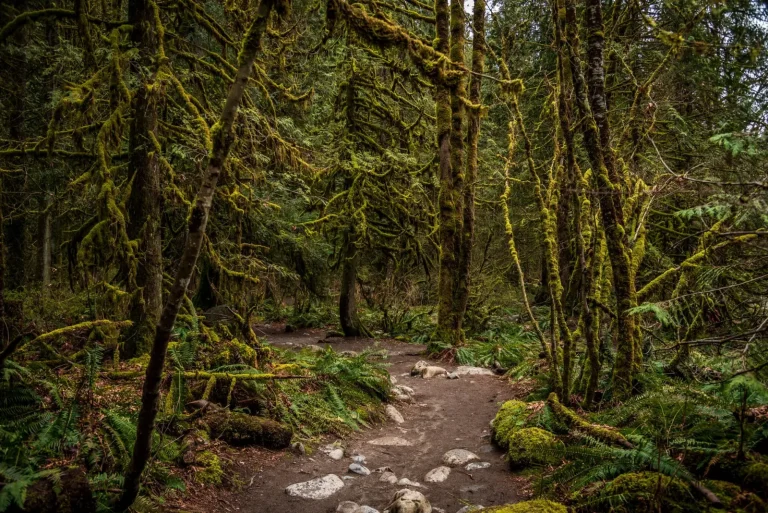
Dense tropical landscapes and walking areas become part of the region rather than a distant holiday destination.
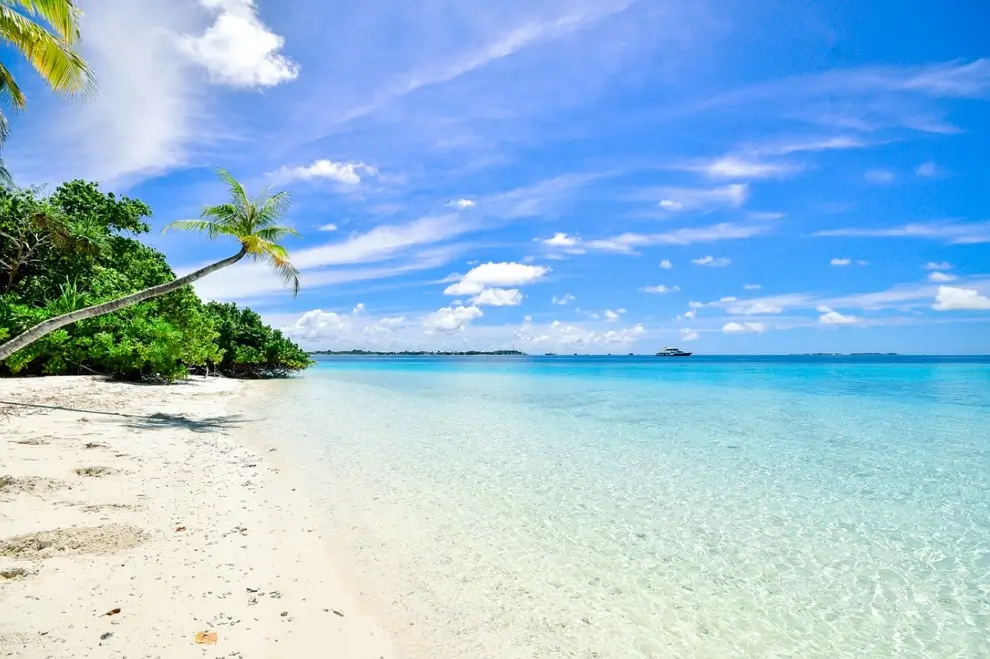
Beaches, estuaries and the Coral Sea give the Cairns region a strong connection to the water.
Mountain landscapes create a dramatic backdrop and provide access to cooler inland communities and the Tablelands.
For newcomers, that proximity to nature can be one of the biggest lifestyle changes. It also comes with responsibility. Tropical environments are sensitive, wildlife is part of daily life, and conditions can change quickly after heavy rain. Learning how the region works is part of learning how to live there.
Getting Used to a Tropical Climate
People moving from southern Australia often notice the climate before anything else. Cairns has a tropical climate, with warm, humid summers and milder, drier winters. Rainfall is strongly seasonal, and summer can bring intense downpours as well as the possibility of tropical cyclones.
That affects more than what you wear. Houses need good airflow and effective cooling. Outdoor furniture and stored belongings have to cope with moisture. Gardens grow quickly. Mould prevention becomes a routine household consideration rather than an occasional problem.
The wet season changes daily routines
Heavy rain can alter travel plans, affect roads and make seemingly simple outdoor jobs impractical. New residents quickly learn the value of checking weather forecasts, keeping gutters and drainage clear, and having sensible preparations in place during cyclone season.
The other side of the tropical calendar is a long stretch of comparatively mild weather. Cooler, drier months make outdoor living particularly appealing and are one reason many people find the regional lifestyle so attractive.

Choosing Where to Live Is About More Than Distance to the CBD
Cairns is not a city where every neighbourhood offers the same experience. Some people want to be close to the centre, work and entertainment. Others are drawn north towards beach communities, while families may prioritise schools, yard space, quieter streets or easier access to particular employment areas.
Before signing a lease or buying a property, it helps to think through the routine rather than just the view. Where will you work? How often will you need to cross the city? Is public transport important, or will the household depend on a car? What happens to the normal commute during heavy rain?
A detailed moving to Cairns guide can be useful during this planning stage because relocation decisions extend beyond choosing a suburb. Climate, transport, local services and the practical differences of tropical living all shape whether a neighbourhood works once the novelty of the move has worn off.
It is worth visiting prospective areas at different times of day if possible. A location that feels wonderfully quiet on a Sunday morning may have a very different traffic pattern during the weekday school run.
The Practical Side of Moving North
The romance of relocating to the tropics disappears fairly quickly if your belongings are still hundreds or thousands of kilometres away. Long-distance moves need more planning than a local change of address, particularly when the destination is Far North Queensland.
If you are bringing a full household north, compare transport arrangements early. Dates, access at both properties, the amount being moved and whether you need storage can all affect the process. Using experienced Cairns removalists can also make it easier to plan the interstate transport of furniture and household goods rather than trying to coordinate several parts of the move separately.
- Confirm pickup and delivery arrangements well before moving week.
- Decide what is genuinely worth transporting over a long distance.
- Keep essential documents, medication and valuables with you.
- Consider moisture and heat when packing sensitive belongings.
- Allow some flexibility around major weather events.
- Check access for larger vehicles at both addresses.
Decluttering before an interstate move is particularly worthwhile. There is little benefit in paying to transport furniture that will not suit the new home, winter equipment you will rarely use or boxes that have remained unopened since the previous move.

Expect a Different Rhythm of Life
Moving north can change small habits as much as major ones. Outdoor activity often shifts towards the cooler parts of the day. Weather plays a bigger role in weekend plans. Air-conditioning, fans and shaded outdoor areas become practical parts of the home rather than luxuries.
There is also a different sense of distance. Cairns is a significant regional centre, but Australia is vast, and friends or family in Brisbane, Sydney or Melbourne are no longer a casual drive away. Flights, travel costs and holiday planning become part of maintaining those connections.
At the same time, the region opens up a new map. Port Douglas, the Atherton Tablelands, rainforest communities, beaches and national parks become realistic day trips or weekend destinations. For people who enjoy nature, that can fundamentally change how free time is spent.
Give yourself time to become local
A successful relocation does not require mastering tropical life in the first month. The useful knowledge arrives gradually: which routes work best, where to shop, when to avoid the midday heat, what needs attention before the wet season and which nearby places become personal favourites.
A Move That Is Bigger Than the Moving Day
Relocating to Tropical North Queensland is partly a logistical exercise, but that is only the beginning. The bigger adjustment is learning to live with a landscape and climate that shape everyday decisions more visibly than they do in many Australian cities.
The rainforest is not simply something to visit on holiday. The wet season is not just a weather forecast. The coast, ranges, humidity, wildlife and distances all become part of ordinary routines.
Planning the practical details carefully gives you more room to enjoy that transition. Choose the area with daily life in mind, prepare the home for tropical conditions, organise the physical move early and arrive ready to learn from the place rather than expecting it to behave like the city you left behind.
For the right person, that adjustment is precisely the appeal: life becomes a little more connected to season, weather and landscape, with one of Australia's most distinctive tropical regions just outside the front door.