The forest around Crystal Shower Falls transforms noticeably after rain, and the changes extend well beyond the increased water flow you came to see. I’ve walked these trails dozens of times across different seasons and weather patterns, and the post-rain environment presents a distinct set of conditions that most casual visitors don’t anticipate until they’re already navigating them. Understanding what actually happens to the ground, vegetation, and visibility during these periods makes the difference between a manageable outing and a frustrating scramble back to the trailhead.
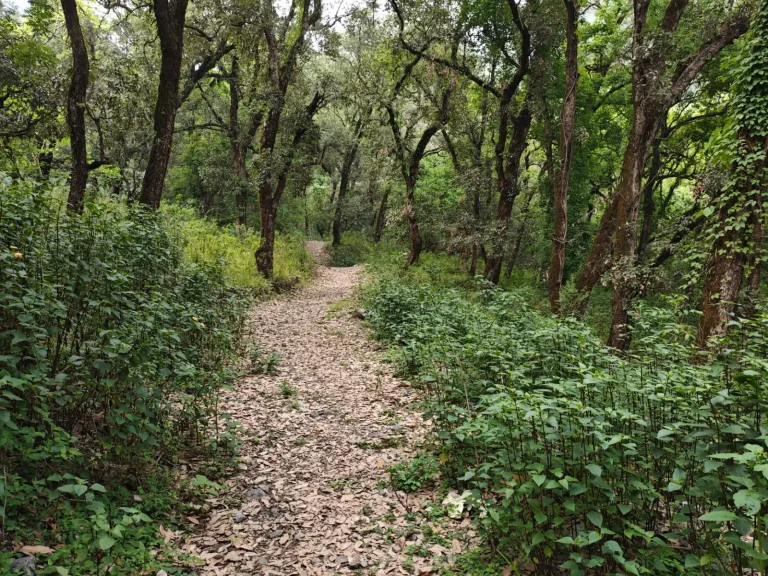
The most immediate shift is underfoot. Within an hour or two of moderate to heavy rain, the forest floor transitions from dry leaf litter and compacted soil to something considerably more unstable. The upper layer of leaves and organic matter absorbs water and becomes slick, creating a surface that offers almost no traction. This isn’t dramatic mud – it’s more insidious than that. The leaves compress and mat down, and any slope, even gentle ones, becomes surprisingly slippery. I’ve watched people who move confidently on dry terrain suddenly lose their footing on what looks like a normal forest path.
Drainage and Water Flow Patterns
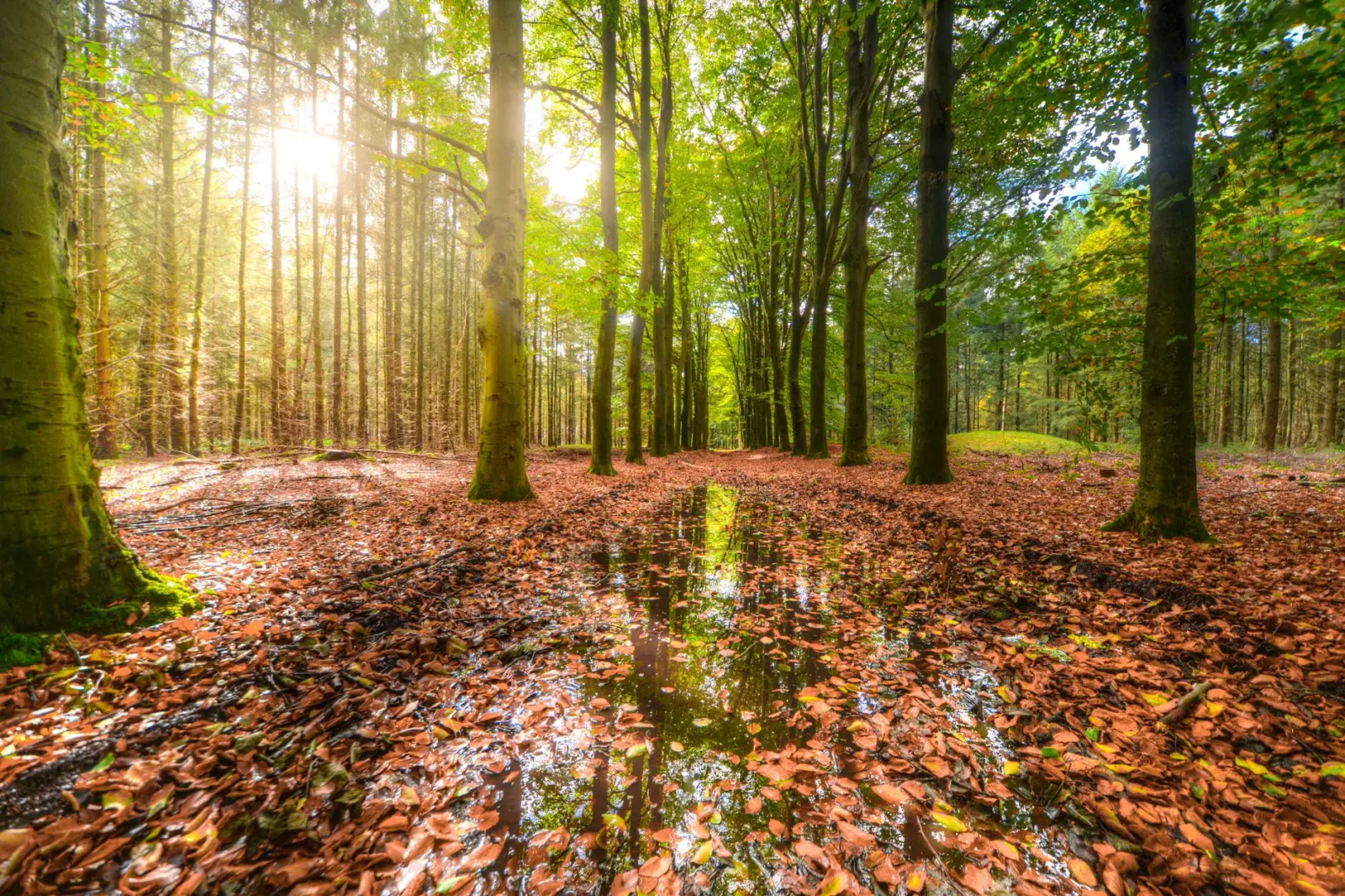
The forest floor around Crystal Shower Falls drains toward the creek system, but the process is slower than you might expect. Rainwater doesn’t disappear quickly into the ground here. The soil composition – a mix of clay and compacted organic material – means water sits on and just below the surface for hours after rain stops. This creates temporary streams and channels that weren’t visible before. Hikers often follow what they think are established paths only to find themselves wading through ankle-deep water that emerged from nowhere.
The creek itself becomes a different proposition. Crystal Shower Falls’ appeal is partly the accessible views of the water, but after significant rain, the creek volume increases substantially. The rocks that form natural crossing points or viewing platforms become genuinely hazardous. Smooth, wet stone is one of the most deceptive surfaces in hiking – it looks solid and feels like it should provide grip, but it offers almost none. The force of increased water flow also changes the character of the rocks themselves; they’re not just slippery but actively unstable in places where the current has begun to shift them.
Visibility and Navigation Challenges
Rain doesn’t always clear by the time you’re on the trail. Mist and low cloud cover linger in the forest canopy, especially in the ravine where the falls are located. The combination of moisture, dense vegetation, and reduced light creates a visibility envelope that’s much tighter than on clear days. Landmarks that orient you on familiar routes become harder to distinguish. I’ve noticed that people tend to walk faster in these conditions, perhaps to get through them, which paradoxically increases the risk of missing turns or stepping badly on uncertain ground.
The vegetation itself responds to moisture. Ferns and low brush that are relatively dry and compact on normal days become heavy with water. They brush against your legs and torso, soaking your lower body within minutes. This isn’t just a comfort issue – wet clothing accelerates heat loss, and the forest temperature drops noticeably after rain. The moisture also obscures the ground beneath vegetation, hiding roots and uneven terrain that would be obvious on a dry day.
Timing and Practical Realities
The period immediately after rain – the first two to four hours – is when conditions are most challenging. The ground is saturated, visibility is compromised, and the water flow is at its peak. Many people assume that waiting a bit will help, but the improvement is gradual. I’ve found that waiting six to eight hours after moderate rain produces noticeably better conditions, though the forest floor remains damper than usual for a full day or more. Heavy rain can affect trail conditions for 24 hours or longer, depending on drainage and temperature.
Fatigue compounds these challenges in ways that aren’t always obvious when you’re planning a visit. The extra effort required to maintain balance on slippery surfaces, the mental focus needed to navigate with reduced visibility, and the physical toll of moving through wet vegetation all accumulate. A hike that feels manageable on dry terrain becomes genuinely tiring under post-rain conditions. I’ve seen people turn back not because conditions were dangerous in an absolute sense, but because the cumulative demand of navigating them had simply exhausted their reserves.
The forest around Crystal Shower Falls has genuine appeal after rain – the water is more dramatic, the air is cleaner, and there are fewer people around. But the environment demands more attention and carries more genuine risk. The hazards aren’t exotic or dramatic; they’re mundane and easy to underestimate. Slippery surfaces, obscured terrain, and reduced visibility are the kinds of conditions that lead to twisted ankles and falls, not because the forest is inherently hostile, but because the gap between what people expect and what they encounter tends to be largest precisely when they’re least prepared to adapt.