The forest around Boundary Falls operates on its own logic. After spending considerable time moving through these woods – both in planned expeditions and unplanned detours – I’ve learned that what works depends heavily on understanding how the landscape actually behaves, not how it appears on a map or in promotional materials.
Most people arrive with romantic notions about forest exploration. They pack light, plan to move quickly, and assume the trails are straightforward. Within the first hour, the reality sets in. The forest here is dense in unpredictable ways. Sections that look open from a distance close in abruptly. Elevation changes are subtle until they aren’t. The ground transitions from firm to boggy without warning, particularly after rain. What appears to be a direct route often becomes a series of detours around deadfall, water crossings, and terrain that simply doesn’t cooperate with your intended path.
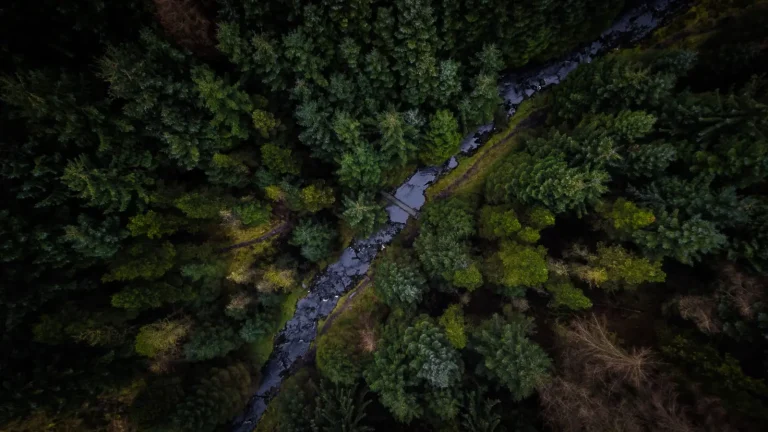
The forest composition matters more than most explorers realize. Mixed hardwood and conifer stands dominate, which means visibility shifts constantly. You’ll move through sections where you can see fifty meters ahead, then enter areas where trees press close and the canopy thickens. This affects navigation, energy expenditure, and how quickly you become disoriented. The psychological impact is real too – people tend to push harder when they can see distance, then tire more quickly when the forest closes in and they lose their sense of progress.
Timing and Seasonal Realities
The season you choose determines what you actually encounter. Spring brings water everywhere. Streams that appear modest on maps run high and fast. Wet areas that might be passable in summer become genuine obstacles. I’ve watched experienced hikers underestimate creek crossings in May and June, misjudging both depth and current speed. The forest floor stays saturated longer than you’d expect, even weeks after rain stops.
Summer offers the most reliable conditions, but brings its own constraints. The heat in a dense forest is different from open terrain – it accumulates. Air circulation is minimal. Humidity stays high. You don’t cool as effectively, which means fatigue builds faster than you’d predict from the distance covered. Insects also peak in midsummer, particularly around water sources and shaded areas where the forest is thickest. This isn’t a minor annoyance; it genuinely affects how long you can comfortably spend in certain sections.
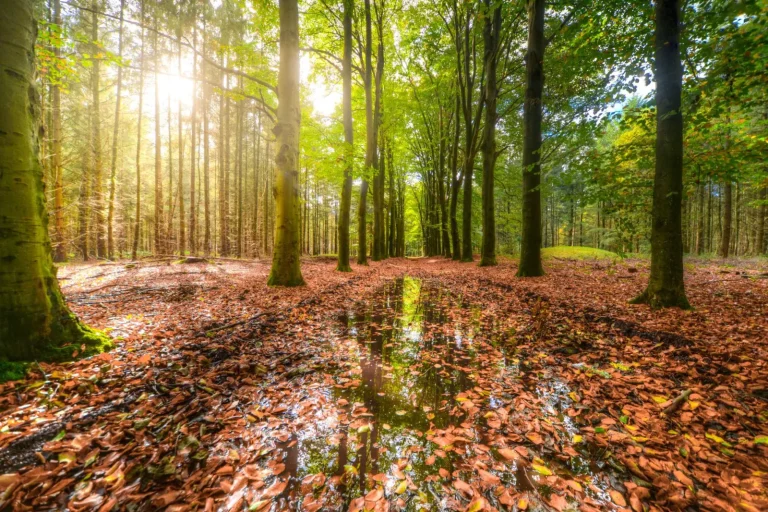
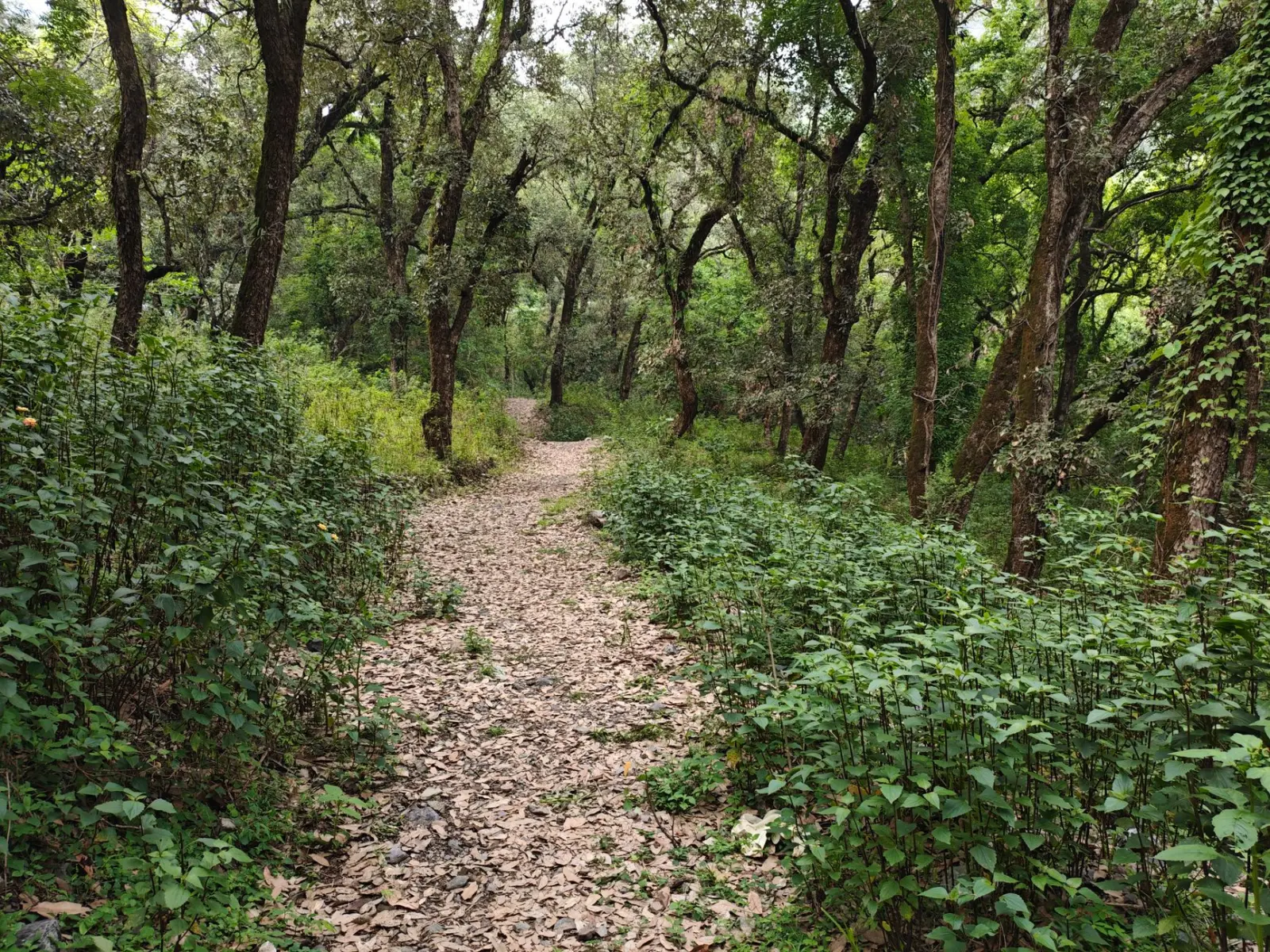
Fall conditions are often ideal for movement, but the forest becomes harder to read. Leaf cover obscures the ground, hiding roots, rocks, and the subtle changes in terrain that help you move safely. Fallen branches blend into the undergrowth. Streams become harder to spot until you’re nearly at them. The shorter daylight window also compresses your effective exploration time – you need to account for getting back before darkness, which limits how far you can reasonably push.
Navigation and Getting Lost
GPS works here, but not reliably everywhere. Dense canopy cover degrades signal in patches. Streams run in gullies that create false corridors – you can follow water and feel like you’re making progress while actually moving parallel to your intended direction. Compass navigation requires understanding the forest’s actual topography, which is more complex than contour lines suggest. Small ridges, subtle valleys, and changes in forest type all influence how the land actually lies.
I’ve observed that people who navigate best in this forest tend to move slowly and stop frequently. They’re not rushing to cover distance. They’re reading the landscape – noticing how water flows, where the forest opens, how the canopy shifts. This approach seems counterintuitive when you’re trying to explore, but it’s actually more efficient. You make fewer wrong turns. You spot hazards before you’re on top of them. You conserve energy by moving deliberately rather than charging ahead and backtracking.
Getting turned around is common enough that you should plan for it. The forest is forgiving in most areas – you won’t be in genuine danger if you spend an extra hour finding your way out – but it’s exhausting and demoralizing. Marking your entry point clearly, carrying a whistle, and knowing how to use a compass or GPS are practical basics. More importantly, know your own limits. If you’re uncertain about navigation or uncomfortable with ambiguity, stick to established trails or explore shorter sections with clear exit routes.
Physical Demands and Pacing
The forest doesn’t reward speed. Uneven ground, obstacles, and the need to pick your way carefully through dense sections mean that distance covered is always less than you’d predict. A route that looks like it should take two hours often takes three or four. This isn’t laziness or poor fitness – it’s the forest’s actual pace.
Fatigue accumulates differently here than on open trails. Your legs work constantly on uneven ground. Your core engages to maintain balance. Your attention stays high because you’re actively navigating rather than following a marked path. This mental engagement is draining in ways that pure physical exertion isn’t. By afternoon, even fit explorers often feel significantly more tired than the distance covered would suggest.
Water and food matter more than expected. The forest’s density means you’re working harder to move the same distance. You dehydrate faster than you realize, particularly in summer. Carrying more water than you think you need is a practical choice, not overcaution. Similarly, having accessible food – not just emergency rations, but actual snacks you’ll eat regularly – keeps your energy stable and your decision-making clear.
What the Forest Reveals Over Time
Repeated exploration of the same areas shows patterns that aren’t obvious on first visits. Certain sections are more reliable for travel. Some water crossings are easier at particular times of year. Wildlife patterns emerge – where you’re likely to encounter deer, where bears have been active, which areas stay quieter. This accumulated knowledge is what separates casual exploration from genuine familiarity with the forest.
The forest also teaches respect for its indifference. It’s not hostile or dangerous in the way dramatic landscapes can be, but it’s also not forgiving of carelessness. Twisted ankles happen on uneven ground. Hypothermia is possible if you get wet and can’t dry out. Getting lost for an extended period is exhausting and disorienting. These aren’t catastrophic risks if you’re prepared and moving thoughtfully, but they’re real enough that you should take them seriously.
Most explorers eventually develop a rhythm with the forest around Boundary Falls. You stop fighting its pace and start moving with it. You read the terrain instead of imposing your plans on it. You accept that some days the forest cooperates and you cover good distance, and other days it doesn’t and you don’t. This acceptance, combined with practical preparation and honest assessment of your own capabilities, is what makes extended exploration actually sustainable and genuinely rewarding.