Spend a few hours walking through a rainforest and you’ll notice something immediately: the air feels different from anywhere else. It’s cooler than the surrounding lowlands, denser, almost tactile against your skin. Your clothes stick to you within minutes. Sweat doesn’t evaporate the way it does in open sunlight. The sensation is real, not imaginary, and it stems from measurable atmospheric conditions that persist in these environments.
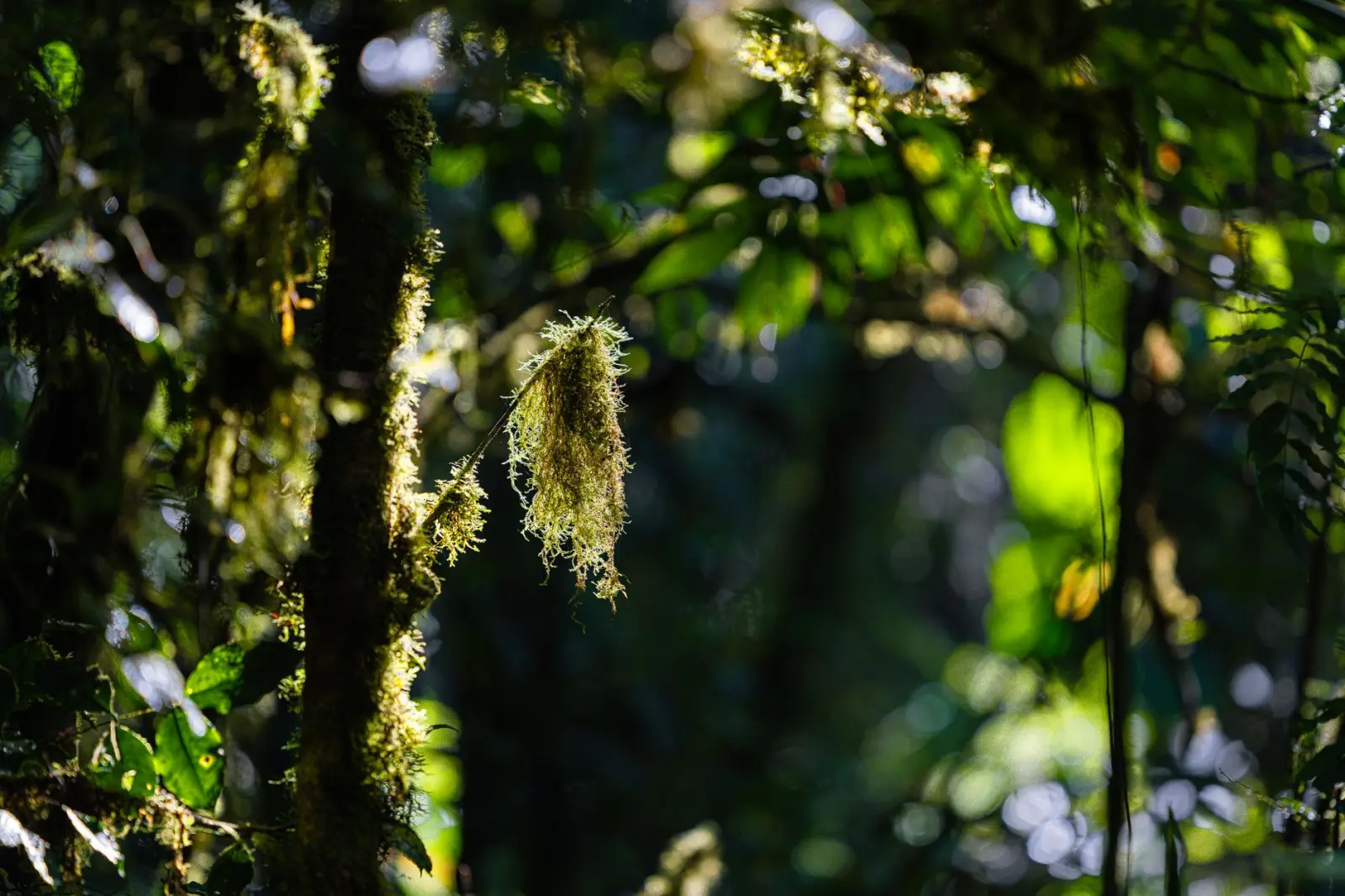
The coolness you feel isn’t primarily about temperature dropping dramatically. Rainforests in the tropics remain warm – often between 70 and 80 degrees Fahrenheit even at ground level. What changes is how that warmth reaches you. Sunlight penetrates the canopy in fragmented patches rather than direct rays. The dense overhead layers of leaves and branches filter and scatter incoming radiation before it hits the forest floor. This creates a shaded environment where radiant heat – the direct warming sensation from the sun – is largely absent. Your body doesn’t experience the intense heating that occurs in open areas at the same actual temperature.
The Canopy Effect and Radiation
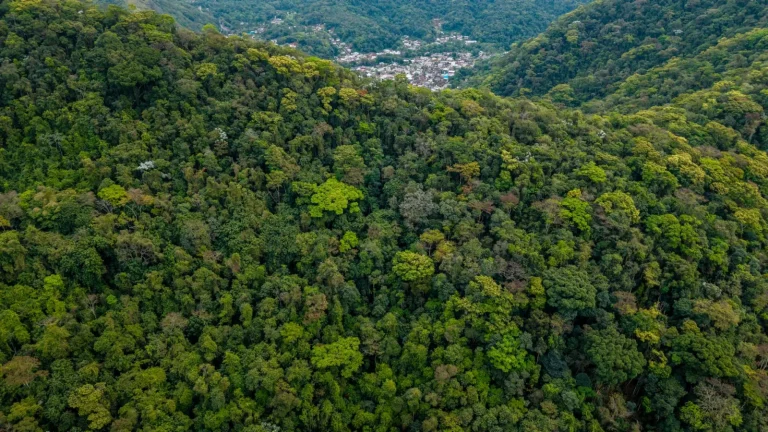
The rainforest canopy operates like a natural thermal barrier. Multiple layers of vegetation, sometimes spanning 100 feet or more vertically, intercept solar radiation at different heights. The uppermost leaves absorb much of the energy. Some is reflected back to space. Some is converted to heat that warms the canopy itself rather than reaching the ground. By the time diffuse light reaches the forest floor, much of its warming potential has already been dissipated or redirected upward.
This is why you can feel genuinely cold in a rainforest at midday, even though the thermometer might read 75 degrees. The absence of direct sun creates a psychological and physical sensation of coolness. Travelers often underestimate this and arrive in lightweight clothing, only to find themselves shivering in the shade. The air temperature is warm enough, but the lack of radiant heating makes your body lose warmth faster than it would in comparable conditions elsewhere.
Humidity and How It Accumulates
The humidity in rainforests is genuinely high – often 80 to 95 percent relative humidity near the ground. This isn’t just a feeling. The air is saturated with water vapor from multiple sources. Trees transpire constantly, releasing moisture through their leaves. The soil, perpetually wet and rich with organic matter, evaporates water continuously. Standing water in the form of streams, pools, and leaf axils adds more moisture. In a closed system like a rainforest, this water vapor has nowhere to go. It accumulates in the lower atmosphere where you’re walking.
High humidity affects how your body regulates temperature. Sweat is your primary cooling mechanism in warm climates. It works by evaporating from your skin, and that evaporation pulls heat away from your body. In a rainforest, the air is already so saturated with water that evaporation slows dramatically. Your sweat doesn’t dry; it pools on your skin. You feel sticky and uncomfortable, and your body’s cooling system becomes inefficient. This is why exertion in rainforests is more taxing than the temperature alone would suggest. You’re not actually cooling yourself effectively, even though you’re producing sweat.
Temperature Gradients Within the Forest
The rainforest doesn’t have uniform temperature throughout its vertical structure. The canopy, exposed to full sunlight, can be 10 to 15 degrees warmer than the forest floor. This creates a temperature inversion of sorts – cooler air below, warmer air above. The dense vegetation traps this cooler air near the ground. Wind, which would normally mix air layers and equalize temperature, barely penetrates the forest interior. Breezes that exist at the canopy level don’t reach ground level. This stagnation preserves the temperature differential and keeps the lower forest consistently cooler than it would be in an open area.
When you’re walking through old-growth rainforest, you’re moving through air that has been stable for hours or days. It’s not being refreshed by wind or heated by direct sun. The moisture content remains high because there’s no dry air moving in to replace it. The sensation of heaviness – that feeling of moving through thick air – is partly psychological but also partly real. Denser, more humid air does have slightly different physical properties than dry air, and your body can sense the difference.
Practical Implications for Travelers
Understanding these conditions helps explain why rainforest travel feels so different from other tropical environments. A beach in the same latitude might have the same air temperature, but it feels dramatically warmer because direct sun heats your skin and breeze helps evaporate sweat. A rainforest at the same temperature feels cool and oppressive because neither of those factors applies.
The humidity also affects how quickly you become fatigued. Your body is working harder to cool itself, even when you’re moving slowly. Dehydration occurs faster than you’d expect because sweat isn’t evaporating – it’s just running off your skin. Many travelers report feeling exhausted after a few hours in rainforest conditions, not because of the temperature or exertion level, but because their thermal regulation system is struggling.
The cooler, heavier air you feel in a rainforest is the result of specific atmospheric conditions: filtered sunlight reducing radiant heating, high transpiration and evaporation creating saturated air, and stable air layers that prevent wind mixing. These factors combine to create an environment that feels distinctly different from other warm, humid places. It’s not cooler in absolute terms, but it feels cooler because the mechanisms that normally warm you – direct sun and evaporative cooling – are both compromised. Once you recognize what’s actually happening, the rainforest’s peculiar climate becomes less mysterious and more predictable.