The forest around Booloumba Creek sits in a particular pocket of southeast Queensland where the landscape hasn’t quite decided what it wants to be. You get subtropical rainforest elements mixed with eucalypt woodland, and the creek itself acts as a kind of ecological spine that pulls everything together. After spending considerable time moving through this area, I’ve found that most people arrive with assumptions about what they’ll encounter, and the reality is often more textured than those initial expectations.
The creek itself is the obvious starting point, but it’s also where many people misjudge the actual walking experience. The water flow varies significantly depending on recent rainfall, and this changes everything about how you move through the space. After a dry spell, you’re stepping across rocks and sometimes dry sections of creek bed. After heavy rain, the water rises quickly and the character of the walk transforms entirely. The forest floor becomes slippery, certain routes become impassable, and the whole pace of movement slows down. I’ve seen visitors arrive on days when the creek is running high and turn back within twenty minutes because they hadn’t anticipated how much the water level would affect their ability to progress.
The Vegetation Patterns and What They Tell You
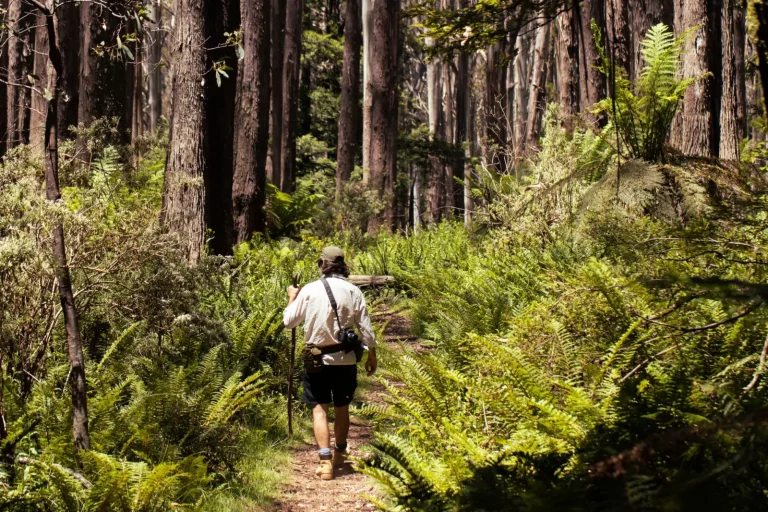
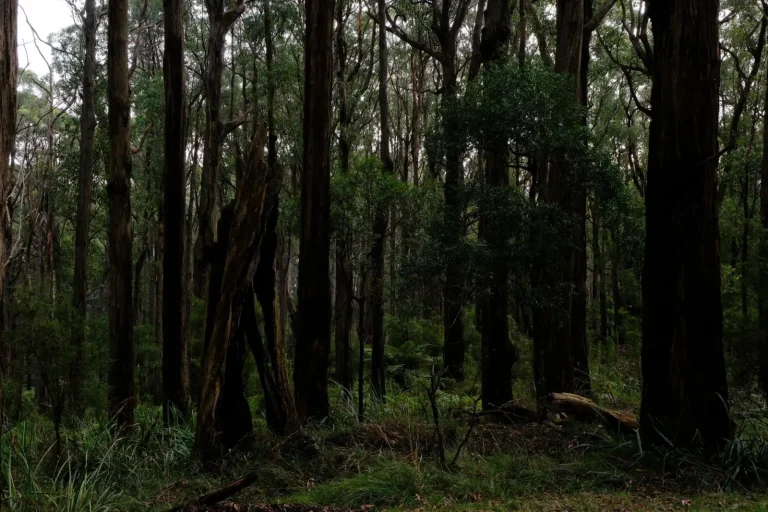
Walking deeper into the forest, you start noticing that the plant communities aren’t uniform. There are pockets where the canopy closes in completely, creating a dim, humid environment where the air feels almost thick. These sections tend to have denser understorey growth, more vines, and a noticeably different smell – damper, more organic. Then you’ll emerge into areas where the canopy opens up, light penetrates more directly, and the walking becomes easier because there’s less vegetation crowding the ground level.
The transition zones between these different forest types are worth paying attention to. They’re not sharp boundaries but gradual shifts, and they often correspond to changes in soil type, water availability, or aspect. I’ve noticed that the steeper sections tend to have more open forest because water runs off rather than pooling, while the flatter areas near the creek support denser growth. Understanding this pattern helps you anticipate what’s coming next and adjust your pace accordingly. It also explains why some stretches feel like genuine bushwalking while others feel almost like walking through a cultivated space.
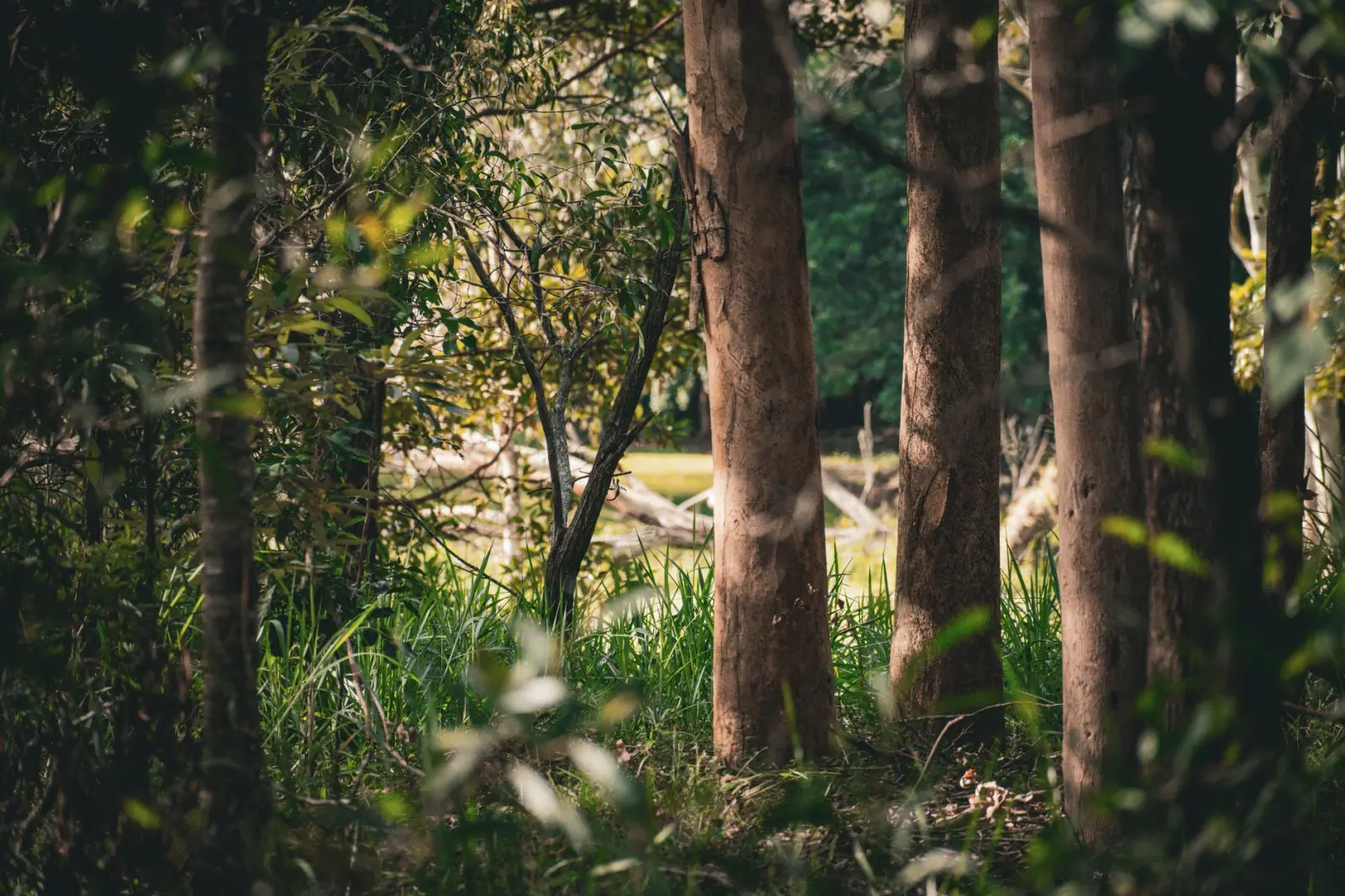
The eucalypts in this area are generally not massive old-growth trees, but they’re substantial enough to create a proper canopy layer. You’ll see stringybarks, spotted gums, and various ironbarks depending on where you are. The smaller understory plants – wattles, native shrubs, and ground covers – vary considerably. In spring and early summer, some sections light up with flowering plants, though the display is never as dramatic as you might see in other Queensland forests. The subtlety is part of what makes this place worth returning to repeatedly.
Navigation and Terrain Reality
The terrain around Booloumba Creek is moderately challenging, not because of extreme elevation gain but because of the combination of factors working together. The creek bed itself is rocky and uneven, requiring constant attention to foot placement. The banks vary in steepness, and in some sections you’re scrambling up short steep pitches while in others the slope is more gradual. I’ve found that people often underestimate how tiring this kind of uneven walking is compared to a maintained track.
There are informal routes through the forest, but calling them “tracks” would be generous. They’re more like lines of least resistance that have been worn into the landscape over time. These routes shift seasonally depending on water levels and vegetation growth. What was a clear path in winter might be overgrown by late spring. This means that if you’re relying on a track being obvious and well-maintained, you’re going to be disappointed. You need to be comfortable reading the landscape, following creek bed itself as a guide, and occasionally backtracking when a route becomes too difficult or unclear.
The rocks in the creek bed are smooth in places and rough in others, and they’re almost always slippery when wet. Even on days when the water level is low and you’re mostly stepping on dry rock, there’s often a thin film of moisture or algae that catches you off guard. Proper footwear matters here more than people typically assume. I’ve watched visitors in running shoes or light hiking boots struggle significantly while people in shoes with genuine grip and ankle support move through the same sections with noticeably more confidence and safety.
Seasonal Shifts and Timing
The forest changes meaningfully across the year, and when you visit makes a real difference to what you experience. During the wet season, roughly November through March, the creek is more active, the forest is lusher and greener, but the walking is genuinely more difficult. Sections that are straightforward in drier months become slippery and occasionally dangerous. The humidity is higher, and you tire more quickly. In the cooler months, from May through September, the walking is easier, the air is more pleasant, and the creek is lower and more predictable. But the forest is also less vibrant – the water flow is reduced, some of the vegetation looks stressed, and the overall sense of life in the system is quieter.
Spring, particularly September and October, tends to be the sweet spot. The weather is warming but not yet oppressively hot, the creek usually has enough water to be interesting without being dangerous, and the forest is beginning to green up. Autumn, around March and April, offers similar advantages though the light quality is different and some of the summer growth is starting to fade.
What Most Visitors Overlook
The smaller details of the forest often get missed because people are focused on the main creek or the obvious path. The side creeks and tributary streams that feed into Booloumba Creek are worth exploring, though they require more careful navigation. These smaller waterways often have different character – sometimes narrower, sometimes with more dramatic banks, sometimes with different vegetation patterns. I’ve found that spending time in these tributary areas gives you a much richer sense of how the whole system works.
The wildlife presence is another thing that’s easy to miss or misunderstand. You won’t see large animals regularly, but evidence of them is everywhere if you’re paying attention. Wallabies use the creek as a movement corridor, birds are abundant though often heard rather than seen, and various smaller creatures leave tracks and signs. The forest is genuinely alive, but it’s not a place where you’ll encounter dramatic wildlife moments. It’s more subtle than that.
The time investment required is something I’ve seen consistently underestimated. People often plan to “quickly walk up the creek” and are surprised when what they imagined as a one-hour walk takes three or four hours. The uneven terrain, the need to pick your way carefully, and the simple fact that you’re not on a maintained track all slow you down. Building in extra time, particularly if you’re exploring beyond the most obvious sections, is essential.
After multiple visits to this forest, I’ve come to appreciate that it rewards patience and repeated exposure. The first time through, you’re mostly focused on not getting lost and managing the physical demands. Subsequent visits reveal layers – the way the forest changes seasonally, the patterns in where water flows, the specific characteristics of different sections. It’s not a destination that reveals everything on a single walk, and that’s actually one of its genuine strengths.