Booloumba Creek Gorge sits in the Conondale Range, roughly two hours north of Brisbane. The forest around it is dense subtropical bushland, the kind that looks manageable from a distance but demands respect once you’re in it. I’ve walked these trails multiple times across different seasons, and the experience shifts considerably depending on when you go and how prepared you are for the actual conditions rather than the postcard version.
The gorge itself is the focal point, but most people underestimate how much time the approach takes. The main walking track from the car park isn’t particularly long in distance, but the terrain forces a slower pace than you’d maintain on open ground. The forest floor is uneven – roots, rocks, and loose soil create a surface that demands constant attention. This isn’t a place where you can zone out and walk on autopilot. Your legs work differently here, and your feet need to be deliberate about placement.
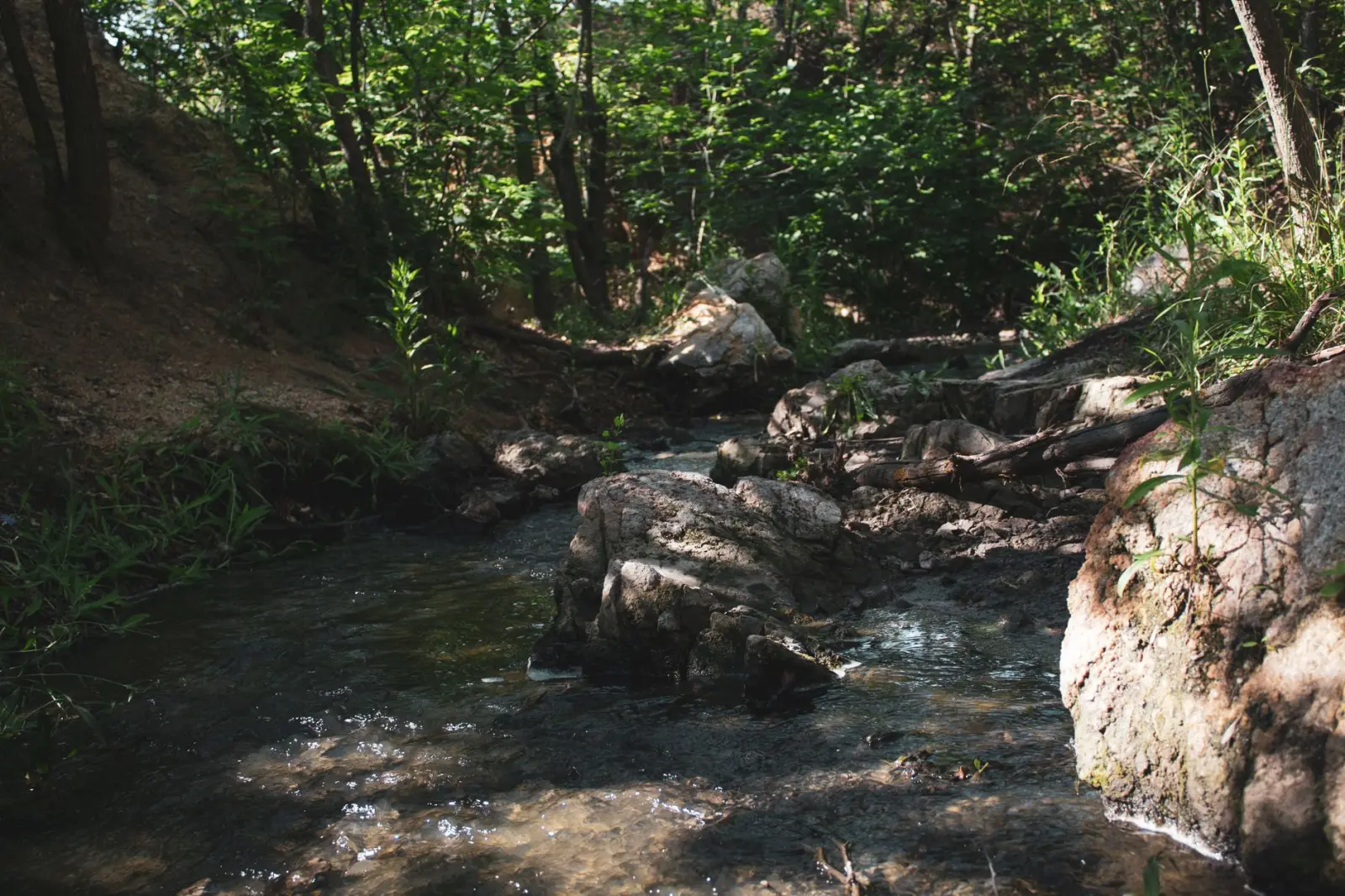
Water crossings are inevitable. Booloumba Creek runs year-round, and depending on recent rainfall, it can range from a minor step-across to genuinely hazardous. I’ve seen the creek after heavy rain move with enough force to make crossing genuinely risky. The rocks become slippery quickly, and the current can shift your footing faster than you’d expect. During dry periods, it’s straightforward. After rain, it’s worth reconsidering whether to proceed. There’s no shame in turning back when water levels are high – people do get into trouble here trying to push through.
The Forest Itself
The vegetation is thick. Subtropical rainforest doesn’t have the openness of dry eucalypt forest. You’re moving through layers of canopy, and the light changes constantly. In summer, the humidity sits at a level that makes every breath feel substantial. Your clothes will be damp within the first twenty minutes, not from sweat alone but from the moisture in the air. This affects how you feel physically – fatigue sets in differently when you’re working in high humidity.
Insects are present year-round. Leeches are common after rain, particularly in the wetter sections near the creek. They’re not dangerous, but they’re persistent and require attention. Mosquitoes vary with the season. In summer, they can be thick enough to make exposed skin uncomfortable. I’ve learned to wear long sleeves and long pants regardless of temperature, simply because the trade-off between heat and insect exposure favors coverage. Ticks exist here too, though they’re less of an issue than in some other Queensland bushland areas.
The canopy coverage means the temperature stays relatively cool even on hot days, but it also means the ground stays damp longer after rain. The forest floor can be boggy in sections, particularly where the terrain flattens out. Proper footwear matters more than people typically assume. Runners or light hiking shoes will work, but they’ll get wet and stay wet. Boots with decent grip and water resistance make a genuine difference in how much energy you expend and how confident your footing feels.
Timing and Fatigue
Most people allocate two to three hours for a walk to the gorge and back. That’s realistic for a moderate pace with brief stops, but it assumes you’re reasonably fit and the track conditions are normal. If you’re moving with children, older people, or anyone less accustomed to uneven terrain, add time generously. The walk isn’t technically difficult, but it’s relentlessly uneven in a way that accumulates fatigue.
The return journey is harder than the approach. Your legs are already tired, and the uphill sections that felt manageable on the way down become noticeably more demanding. I’ve seen people underestimate this and find themselves moving slowly and carefully on the return, wishing they’d started earlier or taken more breaks on the way down.
Early morning starts make a real difference. The light is better, the temperature is cooler, and you’re less likely to find yourself finishing in fading light. The forest gets noticeably darker as afternoon progresses, not because the sun is lower but because the dense canopy amplifies the dimming effect. Walking out in near-darkness on an uneven track with roots and rocks underfoot is unnecessarily stressful.
What the Gorge Offers
The destination – the gorge itself and the waterhole – is genuinely worth the effort. The rock formations are substantial, and the water is clear and cold. In summer, it’s tempting to swim, and the pool is deep enough to do so safely in most conditions. The water temperature stays cool year-round, which is refreshing but also means you won’t stay in long. The rocks around the pool are slippery, so entry and exit require care.
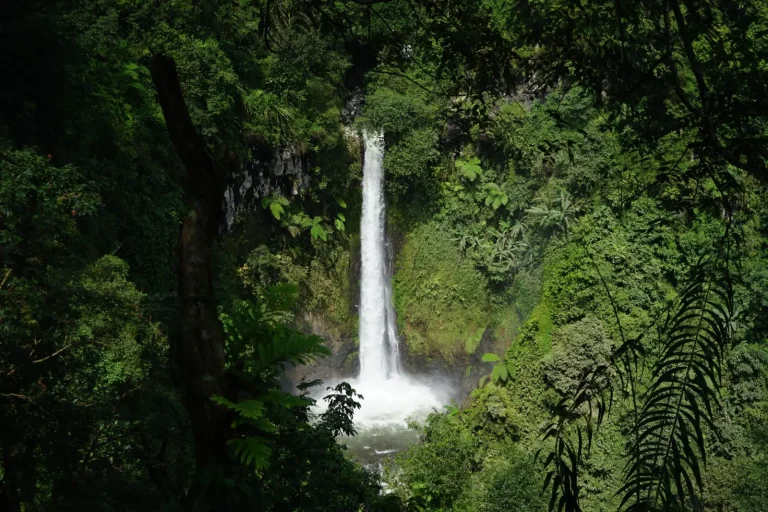
The gorge creates a sense of scale that photographs rarely capture. Standing at the base, looking up at the rock walls, the forest feels less overwhelming and more like you’ve actually arrived somewhere. Most people spend thirty minutes to an hour here before heading back. It’s enough time to rest, cool off if you swim, and absorb the place without rushing.
Practical Realities
Water is essential. The creek is there, but relying on it means carrying treatment tablets or a filter. Carrying enough drinking water from the start is simpler. A two-liter capacity is reasonable for a half-day walk, though you might use more in summer heat and humidity. Snacks matter more than people think – the steady energy demand of uneven terrain depletes you faster than flat walking.
Mobile phone reception is patchy to nonexistent in most of the gorge area. This isn’t a crisis for a day walk, but it means you’re genuinely on your own if something goes wrong. Telling someone where you’re going and when you expect to return is basic sense. The track is well-established and hard to lose, but it’s still bushland, and disorientation is possible if you wander off the main path.
Weather changes quickly in this terrain. A clear morning can become overcast and cool by early afternoon. Rain can arrive suddenly during the wet season. Checking the forecast is useful, but also accept that conditions on the ground might differ from the prediction. The forest protects you from wind but channels water when it rains. Heavy rain makes the track slippery and the creek more hazardous.
Seasonal variation is significant. Spring and early autumn offer the most comfortable conditions – warm enough to be pleasant, but not so hot that the humidity becomes oppressive. Summer is doable but demands early starts and acceptance of high moisture. Winter is cooler and drier, but the shorter daylight hours mean less flexibility on timing. Wet season (November through March) brings higher water levels and more insects, though the forest is at its most lush.
The walk around Booloumba Creek Gorge is accessible to most people with reasonable fitness, but it’s not a casual stroll. It’s a proper forest walk with genuine terrain, water hazards, and the kind of conditions that reveal whether you’ve prepared adequately. Respect those realities, start early, move at a pace that feels sustainable, and you’ll have a solid experience. Rush it, underestimate the forest, or ignore the water conditions, and it becomes uncomfortable quickly.