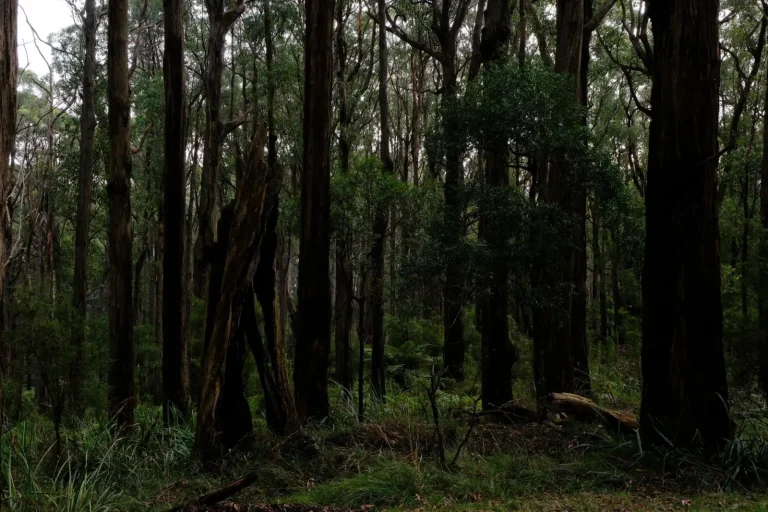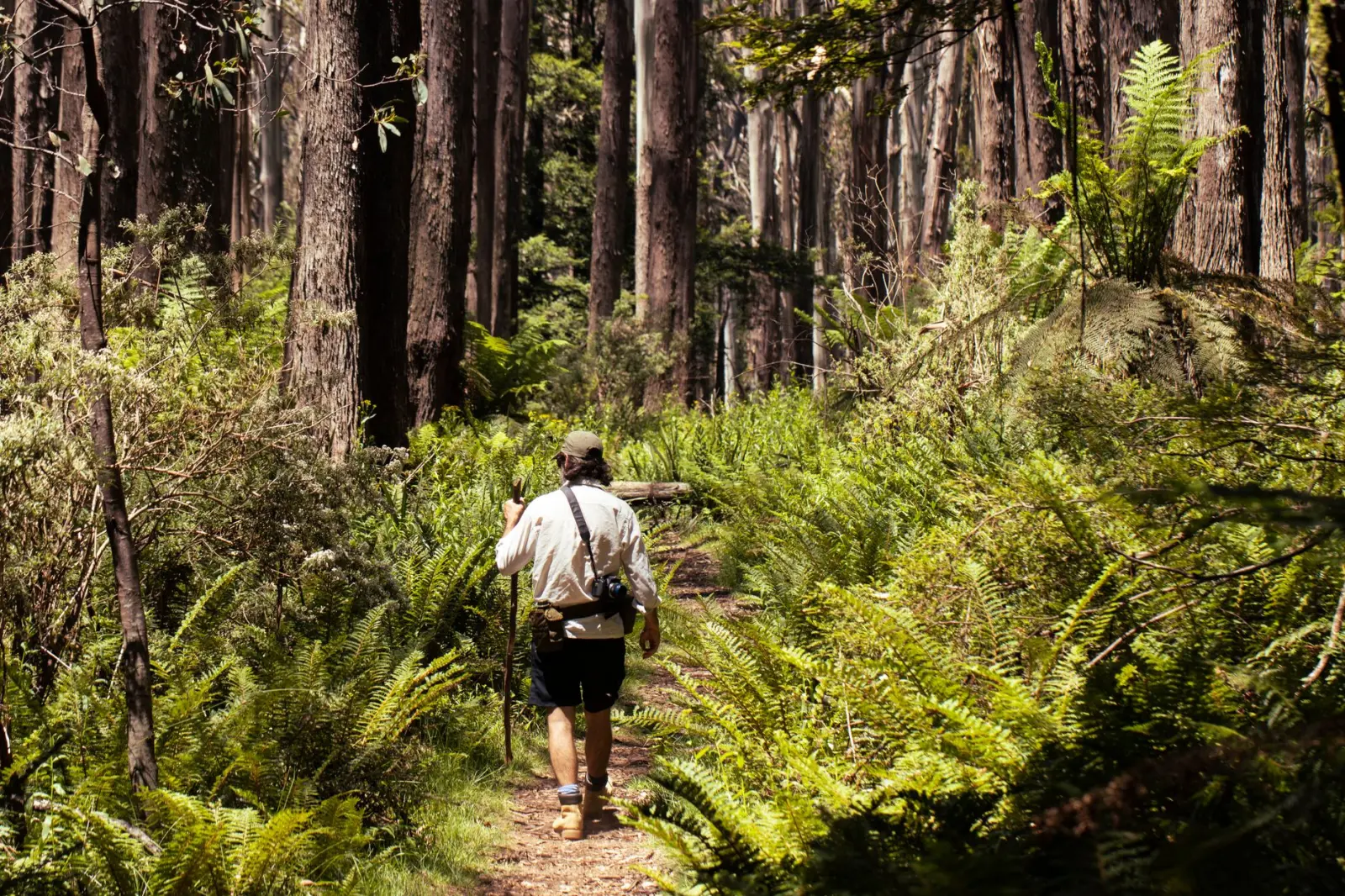
The forests around Lismore in northern New South Wales have a particular character that doesn’t fully reveal itself until you’re actually moving through them. The vegetation is dense enough to feel genuinely isolated within minutes of leaving town, yet the walking is rarely as straightforward as it appears on maps. After spending considerable time on these trails, certain patterns emerge – about timing, terrain, and the way the forest behaves across seasons.
Most people arrive expecting something like a typical bushwalk: clear paths, manageable gradients, perhaps a waterfall or lookout at the end. What you actually encounter depends heavily on which direction you head and how recently the local council has maintained the tracks. The forest floor itself is unforgiving. It’s not the rocky, well-drained terrain you might find further south. Instead, it’s soft, often boggy, and prone to becoming genuinely slippery after rain. The soil holds moisture for days, sometimes longer, which means a walk that felt fine yesterday can be treacherous today.
Terrain and Ground Conditions
The ground around Lismore is fundamentally different from inland forests. The subtropical climate and high rainfall create soil that’s more like sponge than earth. When it’s dry, walking is pleasant enough – the forest floor is cushioned with leaf litter and decomposed matter. But this same softness means your feet sink slightly with each step, which adds fatigue over longer distances. It’s not dramatic, but after three or four hours, your legs notice it.
Exposed roots are everywhere, and they’re not always obvious. The canopy is thick enough that light doesn’t penetrate evenly, which means you’re constantly adjusting your vision. Roots that should be easy to spot blend into shadow and leaf cover. Twisted ankles aren’t rare here – they’re more common than people admit. The forest doesn’t have obvious hazards like cliff edges or exposed rock faces; instead, it has a thousand small ways to catch you off balance.
Water management is constant. Creeks are numerous, and most crossings involve either finding a log or stepping across rocks that are often slicker than they look. After rain, these crossings become genuine obstacles. Some walkers turn back at this point. Others underestimate the current and slip. The water itself is usually clear and cold, and the forest is quiet enough that you hear it before you see it.
Timing and Daylight
The canopy coverage means darkness arrives earlier than your watch suggests. By 4:30 PM in winter, the forest is genuinely dim. In summer, you have more time, but the heat and humidity make longer walks exhausting. Most people who walk these forests regularly do it in the morning, starting by 8 AM, which gives a solid five to six hours before light becomes a real concern.
The walk out always takes longer than the walk in. This is partly psychological – fatigue is real, and your pace naturally slows – but it’s also practical. You’re more cautious on the return, watching your footing more carefully. The forest looks different in the opposite direction, which can be disorienting even on familiar trails. Several walkers have arrived back at their cars well after sunset, which changes the experience significantly. A torch becomes essential rather than optional.
Weather and Seasonal Patterns
Rain is frequent enough that it shapes how locals approach walking. The forecast matters, but so does the ground’s current state. A light shower might not stop you, but it will slow you down. Heavy rain the day before creates conditions that persist for 24 to 48 hours. The forest doesn’t dry quickly. Humidity stays high regardless of recent weather, which means sweat and moisture management becomes part of the walk itself.
Summer brings heat and insects. The mosquitoes are present but not overwhelming if you’re moving. Leeches are a real consideration after rain – they’re small, persistent, and some people find them genuinely distressing. They don’t cause serious harm, but they’re unpleasant, and removing them requires patience. Winter is cooler but darker, and the wet ground is more treacherous. Spring and autumn offer the most stable conditions, though autumn can bring unexpected rain from coastal systems.
Navigation and Getting Lost
The trails around Lismore are marked, but the marks aren’t always obvious. Faded blazes on trees, occasional signs, and the general direction of foot traffic guide you, but it’s easy to take a wrong turn at junctions. The forest looks the same in most directions, and your sense of direction becomes unreliable quickly. Having a map and compass or a GPS device is practical, not paranoid. Several walkers have spent extra time retracing their steps or taking longer routes because they missed a turn.
Phone reception is inconsistent. You might have signal in one spot and nothing fifty meters away. Relying on your phone for navigation or emergency contact is risky. Telling someone where you’re going and when you expect to return is the sensible approach. The forest is not dangerous in the way mountains or coastal cliffs are, but it is isolating. If something goes wrong – a twisted ankle, a fall, unexpected illness – you’re genuinely alone until you can walk out or someone comes looking.
The walking around Lismore rewards patience and realistic expectations. The forests are genuinely beautiful, with ferns, giant trees, and the sound of water always nearby. But they demand respect for their conditions. The people who return repeatedly are the ones who’ve learned to move slowly, check their footing, and accept that a six-kilometer walk might take four hours. Speed isn’t the point here. Moving steadily through the forest, noticing what’s underfoot and overhead, is what makes these walks worthwhile.