After spending years in rainforests across Central and South America, I’ve learned that hearing wildlife is less about luck and more about understanding when and where animals actually vocalize. Most travelers arrive with expectations shaped by nature documentaries, then spend their time in relative silence, mistaking the absence of sound for absence of life. The reality is messier and more specific than that.
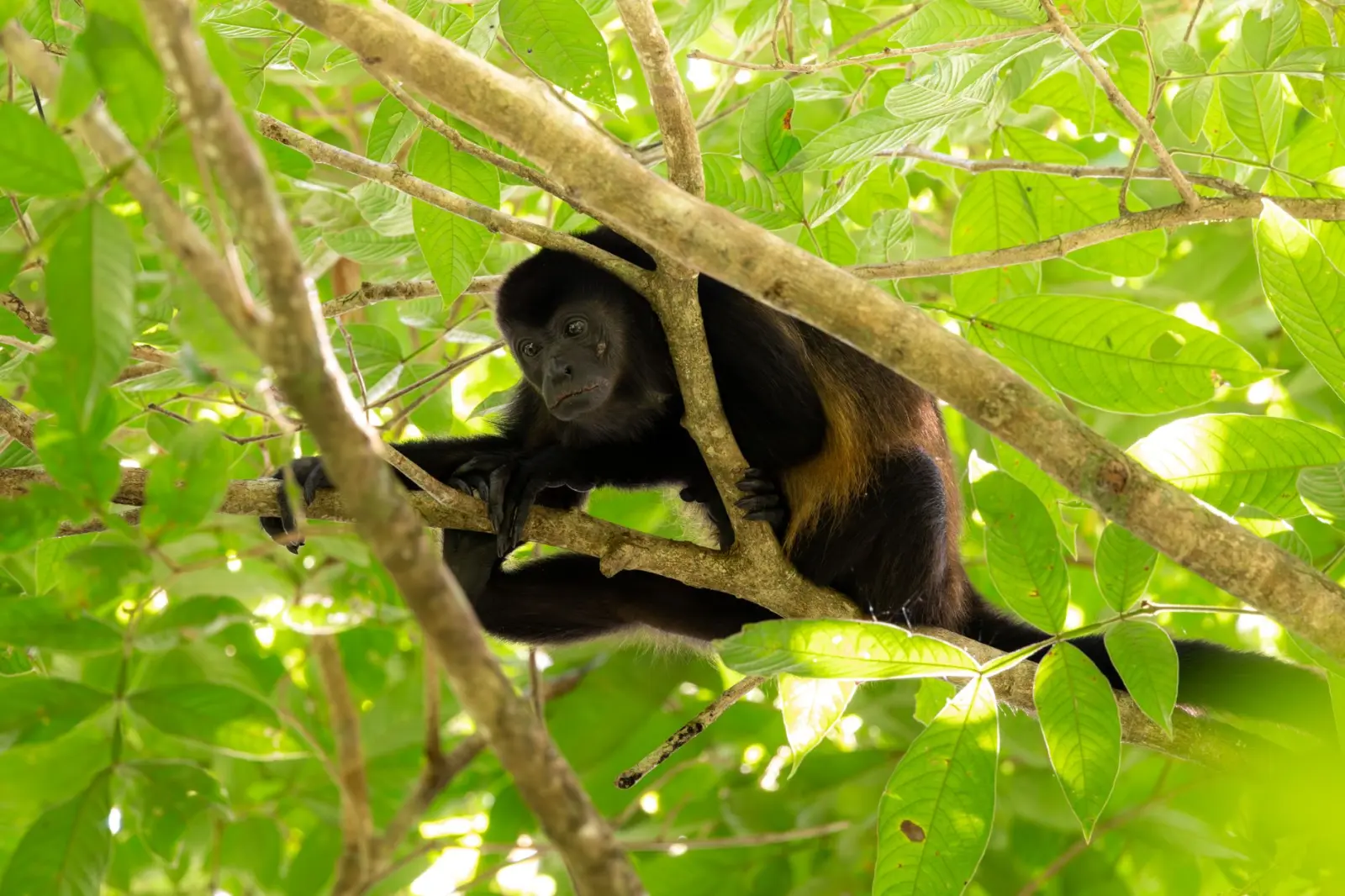
The animals you hear most reliably are not the ones people came to see. Howler monkeys dominate the soundscape in many locations, their calls carrying across the canopy at dawn and dusk with an intensity that startles first-time listeners. Macaws and parrots create constant background noise in productive areas. Insects – particularly cicadas and katydids – generate a wall of sound that can actually mask larger animals. But jaguars, pumas, and most large mammals remain silent. You may spend weeks in prime habitat and hear nothing from them, which is normal.
The timing issue cannot be overstated. Wildlife vocalizes most heavily during two windows: early morning from roughly 5 to 7 AM, and late afternoon from 4 to 6 PM. The middle of the day is often quiet. Night brings a different acoustic landscape entirely, with frogs, insects, and nocturnal birds creating a distinct symphony. Most organized tours operate during convenient daylight hours, which means visitors often miss the peak activity periods or experience them only partially.
Locations Where Vocalization Is Consistent
The Tambopata Reserve in Peru’s southern Amazon stands out because the clay licks attract macaws in predictable numbers, and their vocalizations are constant and loud. You’ll hear hundreds of calls daily, particularly in the early morning. The reserve also has healthy populations of howler monkeys, and the combination creates an acoustic environment that rarely feels silent. The downside is that this same productivity means human infrastructure is more developed, and the experience feels less remote than some alternatives.
Corcovado National Park in Costa Rica’s Osa Peninsula delivers consistent wildlife sound, though the composition differs from Amazonian sites. Scarlet macaws are present and vocal, howler monkeys are abundant, and the overall biodiversity supports a richer soundscape than many protected areas. The park’s accessibility from the town of Puerto Jiménez means guides are experienced and routes are established, though this also means more foot traffic during peak season.
The Chocó region of Colombia and Ecuador, particularly around places like Canandé Reserve, produces an intensity of bird vocalization that exceeds most other rainforest locations. The region’s endemism means you hear species found nowhere else, and the sheer density of birds creates overlapping calls throughout the day. However, access is more challenging, guides vary significantly in quality, and the region has experienced security issues that affect visitor movement.
What Actually Determines Sound Levels
Rainforest acoustics depend heavily on forest structure and productivity. Mature, undisturbed forest with a complex canopy and abundant fruiting trees supports more vocal wildlife than degraded or young secondary forest. Areas recovering from logging or agriculture have fewer animals and less consistent sound. This means that protected reserves with strict enforcement tend to deliver better acoustic experiences than areas with ongoing extraction or hunting pressure.
Rainfall patterns matter more than most people realize. During the wet season, fruiting is often more abundant, which concentrates animals and increases vocalization. However, heavy rain also dampens sound transmission and makes animals less active. The transition periods between seasons – when both rainfall and fruiting are moderate – often produce the most consistent and audible wildlife activity. In many locations, this means the shoulder seasons are better than the peak wet or dry periods.
Local hunting pressure directly affects what you hear. In areas where large animals are hunted, populations decline and vocalization patterns change. Howler monkeys become less common and less vocal. Macaws and other game birds are warier. The difference between a heavily hunted forest and a protected one is immediately apparent in the soundscape. This is one reason why national parks and private reserves, despite their higher cost, deliver more reliable acoustic experiences.
The Practical Realities of Listening
Most visitors expect to hear wildlife while walking trails during midday. This rarely happens. The productive listening happens either before dawn or during late afternoon, often while stationary or moving very slowly. This requires patience and tolerance for standing quietly in humid conditions while insects bite. Many organized tours do not accommodate this because it disrupts schedules and comfort. If you want to hear animals consistently, you need to be in the forest during the right hours and willing to move slowly or stay still for extended periods.
Guides vary enormously in their ability to locate vocalizing animals. An experienced guide can identify calls, predict where animals will move, and position you to hear them. An inexperienced guide may walk past active animals without noticing. This is not always reflected in guide ratings or certifications. The best approach is to ask specifically about a guide’s experience with wildlife identification and request early morning or late afternoon sessions as a non-negotiable part of the arrangement.
Noise pollution from human activity – boats, generators, other groups – significantly impacts what you can hear. Lodges and tour operators in quieter locations, away from major rivers and settlements, tend to offer better acoustic experiences. This often means paying more or accepting less convenient logistics. The trade-off is real and worth considering explicitly rather than assuming that any rainforest location will deliver equivalent sound.
Species-Specific Considerations
Howler monkeys are the reliable vocalists. You will almost certainly hear them if they are present in the area, particularly at dawn. Their calls are distinctive and unmistakable once you know what to listen for. However, they are not present everywhere. The Amazon basin has them, but they are absent from many other rainforests. If hearing howlers is important to you, confirm their presence in your chosen location before booking.
Macaws and large parrots are vocal but not always active. They may be present in an area but silent for hours, then suddenly erupt in calling. Fruiting trees attract them, and guides who know where these trees are located can position you effectively. Without this knowledge, you may see macaws flying overhead but hear little from them.
Frogs, particularly during breeding season, create intense acoustic environments at night. Many travelers underestimate this. A single small pond can produce a deafening chorus of dozens of species calling simultaneously. If you have access to night walks or evening listening sessions, these are often more sonically impressive than daytime wildlife activity. The challenge is that frog identification requires expertise, and most visitors cannot distinguish species by call alone.
Jaguars, pumas, and other large carnivores vocalize rarely and unpredictably. You should not plan a trip around hearing them. If it happens, it is a genuine bonus, not an expected outcome. Focusing on this possibility often leads to disappointment and missed opportunities to appreciate the animals that are actually vocal and present.
The most honest assessment after years of rainforest travel is that consistent wildlife sound requires specific conditions: the right location with adequate protection and productivity, the right season with favorable weather and fruiting patterns, the right timing during peak vocalization hours, and realistic expectations about which animals will actually be audible. Meeting all four conditions simultaneously is possible, but not guaranteed. The locations mentioned – Tambopata, Corcovado, and the Chocó region – offer the best odds, but even there, what you hear depends on factors partially outside your control.