After years of moving through tropical forests and observing animal behavior across different landscapes, I’ve noticed that how species handle roads and clearings tells you almost everything about their survival prospects in a fragmented world. It’s not dramatic or mysterious. It’s mostly about instinct, body size, and how much risk an animal is willing to take in open space.
The core issue is straightforward: rainforest animals evolved in continuous canopy. A clearing – whether it’s a road, a river, a logged patch, or a natural gap – represents something their ancestors rarely encountered. Some species have behavioral flexibility built in. Others don’t. The ones that struggle are often the ones we assume would be most resilient.
Why Open Space Matters More Than Distance
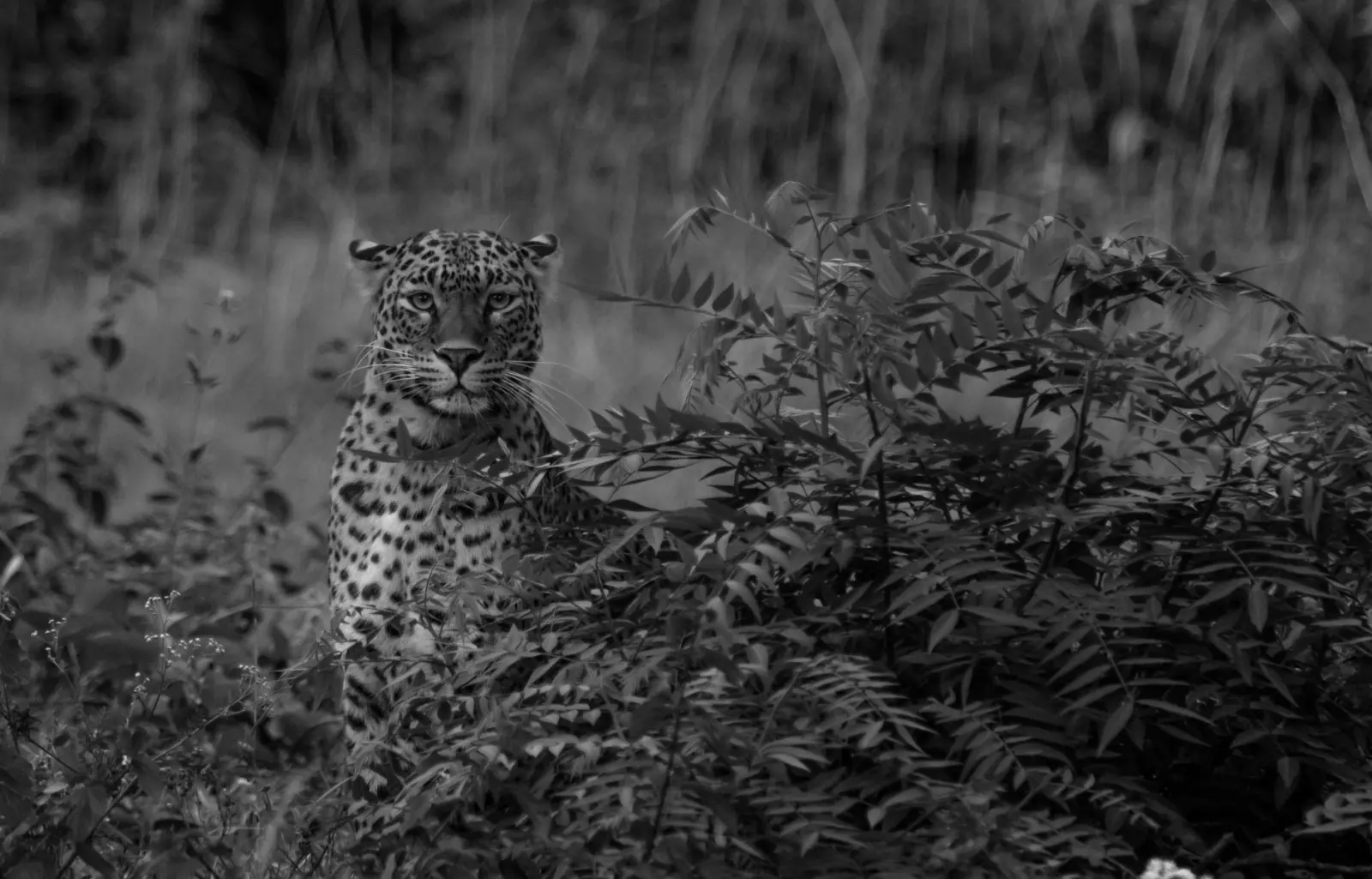
I’ve watched jaguars cross logging roads without hesitation. I’ve also watched them circle a two-lane highway for hours before attempting a crossing. The difference isn’t the distance. It’s visibility and noise. A narrow forest road with minimal traffic and overhead canopy closure feels manageable to them. A paved highway with open shoulders and constant vehicle sound triggers avoidance behavior that can last days.
Smaller animals face a different calculus. A coati or peccary crossing a clearing is exposed to aerial predators – harpy eagles, for instance. The time spent in open space is time spent vulnerable. I’ve observed coatis make multiple false starts at forest edges before committing to a crossing, testing the air, listening. They’re not being cautious for no reason. They’re measuring predation risk in real time.
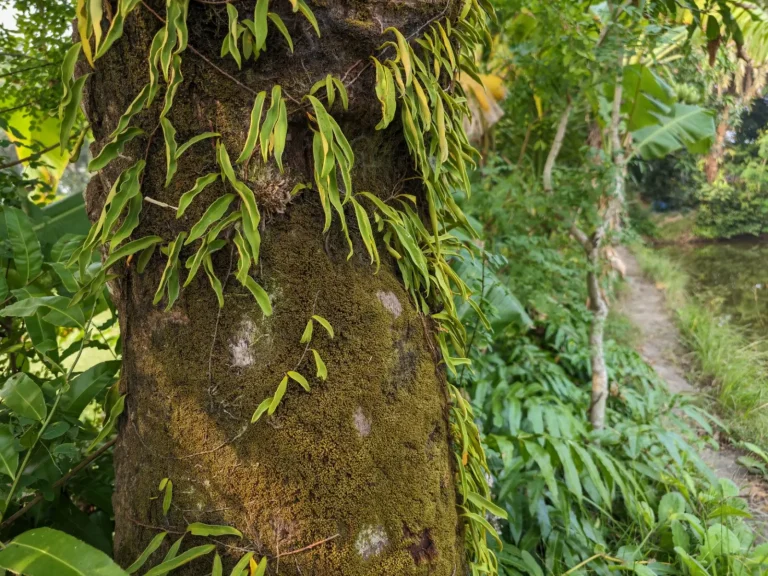
Arboreal species – tree-dwelling monkeys, sloths, certain birds – often simply don’t cross at all. I’ve documented howler monkeys that will travel kilometers along a ridge to find continuous canopy rather than drop to ground level for fifty meters. The energy cost of descending, crossing, and re-ascending is minor compared to the psychological and physiological stress of being on the ground. Some species appear to lack the behavioral programming for ground-level travel altogether.
The Role of Connectivity and Timing
What I’ve found most consistent across different rainforest regions is that animals use crossing points repeatedly. They’re not random. A jaguar will use the same spot on a road for months, sometimes years. Peccaries establish routes. Even insects – leaf-cutter ants, for example – create predictable pathways across gaps. This repetition is both an advantage and a vulnerability. It means animals are efficient, but it also means they’re predictable to predators and, in the case of roads, to vehicles.
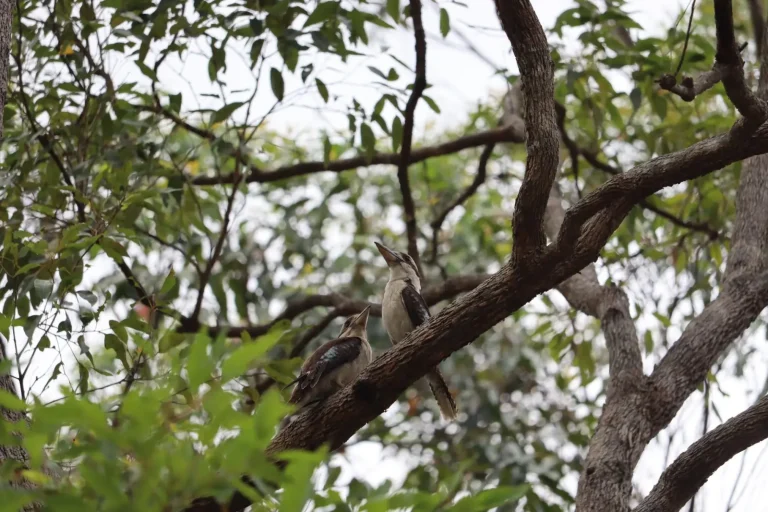
Timing of crossings varies by species and by individual. Nocturnal species have an obvious advantage on roads with traffic, but I’ve noticed that even at night, many animals hesitate. A tapir might wait for complete darkness and near-silence before crossing a logging road. Diurnal species like certain macaws or toucans often cross early morning or late afternoon when light is low and human activity is minimal. The animals aren’t consciously avoiding peak hours – they’re responding to sensory cues that correlate with safety.
Seasonal changes affect crossing behavior significantly. During wet season, water levels rise and some routes become impassable. I’ve tracked animals taking entirely different paths through forest during different seasons. A clearing that’s crossable in dry season might be flooded or too muddy for smaller species. This forces animals into areas with higher human activity or into longer detours that increase exposure to predation.
Body Size and Behavioral Constraints
There’s a pattern I’ve observed repeatedly: medium-sized mammals struggle most with fragmentation. Large animals like jaguars and pumas have the strength and speed to cross quickly. Small animals like rodents and frogs can move through understory and ground cover that provides some concealment. Medium-sized animals – coatis, agoutis, smaller cats – are too large to hide effectively but not fast enough to cross major obstacles in seconds. They’re caught between strategies.
This creates a real bottleneck in fragmented landscapes. I’ve worked in areas where jaguar populations remain relatively stable because individuals can move across landscapes despite roads and clearings. Meanwhile, populations of medium-sized carnivores and herbivores collapse because the behavioral and physical requirements for crossing are mismatched with the obstacles they face. It’s not always about the size of the gap. It’s about whether the animal’s natural behavior aligns with what crossing requires.
Some species show individual variation that’s worth noting. I’ve observed some individuals of the same species crossing roads readily while others avoid them entirely. This suggests that personality or early experience matters. An animal that crossed a road successfully as a juvenile might develop different crossing behavior than a sibling that had a negative experience. This individual variation is often overlooked in broad ecological assessments, but it affects real population dynamics.
What Roads and Clearings Actually Disrupt
The impact isn’t just about mortality from vehicle strikes, though that’s real and measurable. The disruption is behavioral and social. Territorial animals that can’t cross maintain smaller ranges. Breeding populations become isolated. I’ve documented cases where a single road effectively split a jaguar population, with individuals on either side showing no genetic mixing over a decade. They were physically capable of crossing but rarely did, and when they did, they were often killed.
For social species, the effect is even more pronounced. Peccaries travel in family groups. If a road or clearing is difficult to cross, the group either stays together and avoids the area entirely, or individuals become separated. Separated individuals have higher mortality rates and reduced breeding success. Monkey troops that can’t maintain continuous canopy movement fragment and lose the social structure that keeps them functional.
What I’ve come to understand is that the crossing problem isn’t really about the road or clearing itself. It’s about the disruption of behavioral patterns that evolved over thousands of years. When you introduce an obstacle that doesn’t fit those patterns – something that’s too wide to jump, too open to cross safely, too loud or visually chaotic – you’re forcing animals to make decisions they’re not neurologically equipped to handle well. Some adapt. Many don’t. The ones that don’t are the first to disappear from fragmented landscapes.